
To clean your valve cover gasket, you will need a few supplies. You will need a putty knife, a screwdriver, and some rags. First, use the putty knife to scrape off any old sealant that may be on the gasket. Next, use the screwdriver to remove any dirt or debris that may be stuck in the gasket. Finally, use the rags to wipe down the gasket and remove any remaining residue.
How to Clean Valve Cover Gasket
- Lift the vehicle’s hood and prop it open
- Locate the valve cover(s) on the engine
- In most cases, there will be one valve cover per cylinder head
- Using a ratchet and socket, remove the bolts that secure the valve cover(s) to the engine
- Carefully remove the valve cover(s), taking note of any gaskets or seals that may be attached to them
- Inspect the condition of the valve cover gasket(s)
- If they are damaged or deteriorated, they will need to be replaced before proceeding further
- Clean off any dirt, grime, oil, or other debris from around the mating surfaces of the valve covers and engine using a clean rag or towel
- Apply a thin layer of silicone sealant or gasket maker to each side of the new replacement valve cover gaskets
- Install new gaskets making sure not to tear them, then bolt down securely with your ratchet and socket
- Check for leaks around valve covers
How to Clean Engine With Valve Cover off
It’s important to keep your engine clean, and one way to do that is by taking the valve cover off and giving it a good cleaning. Here’s how:
1. Park the car on level ground and open the hood. Disconnect the negative battery cable first, then the positive. This will prevent any electrical shorts while you’re working.
2. Remove the valve cover bolts with a socket wrench, being careful not to strip them. If they’re stubborn, you can use some WD-40 or penetrating oil to help loosen them up. Once the bolts are out, carefully remove the valve cover itself. You may want to place a shop towel under it to catch any drips or debris.
3. Take a look at the gasket material around the edge of the valve cover opening; if it’s damaged or brittle, now would be a good time to replace it before proceeding further.
4. Inspect all of the valves and ensure that they’re closing properly; if not, they may need adjustment or replacement. Pay special attention to any valves that show signs of carbon buildup – these will need to be cleaned thoroughly (more on that in a moment).
5. Use a soft brush (an old toothbrush works well) dipped in carburetor cleaner or brake cleaner fluid (never use gasoline!) to scrub away any carbon deposits on individual valves as well as in hard-to-reach areas like between cylinder head fins etcetera.
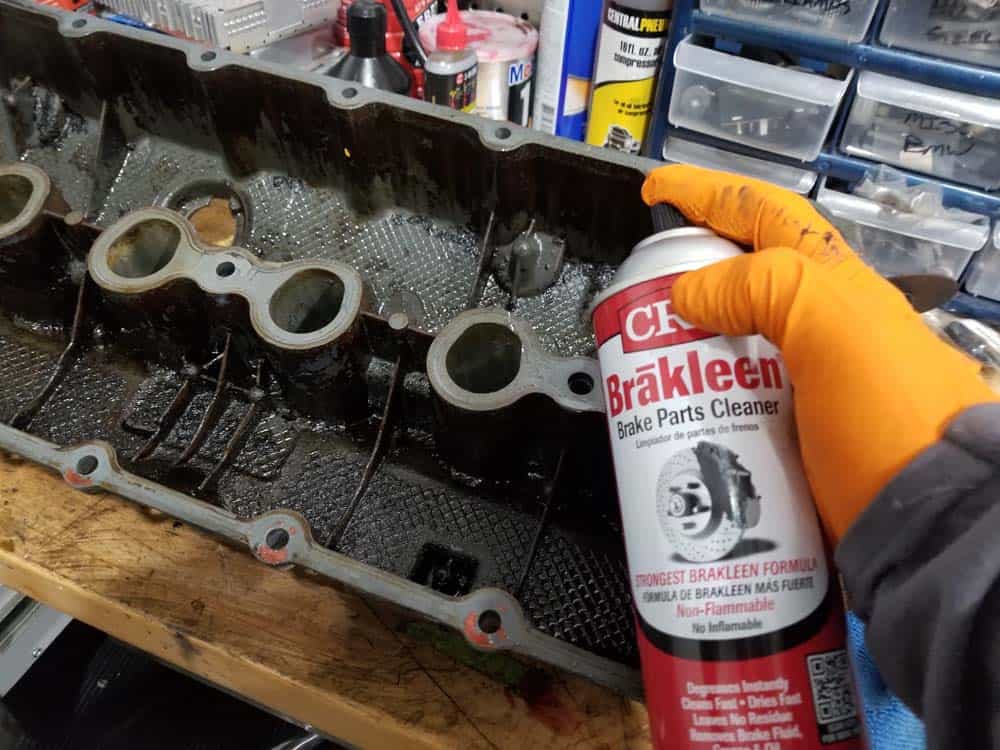
Clean Valve Cover With Brake Cleaner
Brake cleaner is a powerful solvent that can be used to clean a variety of automotive parts. When used on a dirty or grimy valve cover, brake cleaner can quickly dissolve built-up grease and grime. To clean your valve cover with brake cleaner, first, remove it from your vehicle.
Once the valve cover is removed, spray it generously with brake cleaner and let it soak for a few minutes. Then, use a brush to scrub away any remaining dirt and grime. Finally, rinse the valve cover off with water and dry it thoroughly before reinstalling it on your vehicle.
If your valve cover is extremely dirty, you may need to repeat this process several times before it is completely clean. However, using brake cleaner is the quickest and most effective way to clean your valve cover without damaging it.
Best Valve Cover Cleaner
Are you looking for the best valve cover cleaner? If so, you’ve come to the right place. In this blog post, we’ll take a look at the best valve cover cleaners on the market, as well as provide some tips and tricks on how to keep your engine clean and running smoothly.
First things first, let’s take a look at what a valve cover is and why it needs to be cleaned. A valve cover is a metal or plastic piece that covers the top of an engine’s valves. The purpose of the valve cover is to protect the valves from dirt, debris, and oil leaks.
Over time, however, the valve cover can become caked with grime and oil, which can lead to engine performance issues. That’s why it’s important to periodically clean your valve cover – to remove any build-up that may be causing problems. There are a few different ways to clean a valve cover.
One option is to use a pressure washer with an attachment specifically designed for cleaning engines (such as this one from Simpson). Another option is to use a degreaser (such as Simple Green) and a brush (like this one from Brushes). Whichever method you choose, make sure you’re careful not to damage the finish on your engine while cleaning it.
Once you’ve removed all the dirt and grime from your valve cover, it’s important to apply a fresh coat of sealant or paint (if applicable). This will help protect your engine from future build-up and keep it running smoothly for years to come.
How to Clean Plastic Valve Cover
If your car’s engine has a plastic valve cover, it’s important to keep it clean. A dirty valve cover can cause the engine to run less efficiently and can lead to oil leaks. Here are some tips on how to clean your plastic valve cover:
1. Remove the valve cover from the engine. This will give you better access to all the nooks and crannies where dirt and grime can build up.
2. Clean the surface of the valve cover with a soft cloth or brush. Be sure to remove any debris that may have accumulated on top of the valve cover.
3. Use a mild soap and water solution to wash away any remaining dirt or grime. You can also use a commercial cleaner specifically designed for cleaning plastic surfaces.
4. Dry the valve cover thoroughly before putting it back on the engine. If possible, allow it to air dry in a well-ventilated area.
How to Clean Aluminum Valve Covers
If your aluminum valve covers are looking a little worse for wear, don’t despair! With a little elbow grease and the right cleaning products, you can get them looking like new again. Here’s how:
1. Begin by removing any debris or build-up from the surface of the valve covers. A putty knife or old toothbrush can be helpful for this step.
2. Once the surface is cleared, mix up a solution of mild soap and warm water. Apply this to the valve covers with a soft cloth or sponge and scrub gently.
3. Rinse the soap off with clean water and dry the valve covers thoroughly.
4. If there are still some stubborn stains remaining, you can try using a cleaner specifically designed for aluminum surfaces. Apply as directed and then rinse and dry once again.
With just a little bit of effort, your aluminum valve covers will be shining like new!
Aluminum Valve Cover Cleaner
Valve covers are one of the most important components of an engine, and keeping them clean is essential to maintaining optimal performance. Over time, oil and other fluids can build up on the valve cover, leading to a loss of efficiency and increased wear. A good aluminum valve cover cleaner will remove these deposits and restore the original shine to your engine.
There are a number of different products on the market that claim to be the best aluminum valve cover cleaner. However, not all of them live up to their promises. When choosing a cleaner, it is important to look for one that is specifically designed for use on aluminum surfaces.
Many all-purpose cleaners can actually damage aluminum, so it is best to avoid them altogether. In addition to being safe for use on aluminum, a good valve cover cleaner should also be able to remove stubborn deposits quickly and easily. Some cleaners require multiple applications in order to achieve desired results, but this isn’t necessarily ideal if you want to get back on the road as soon as possible.
The best cleaners will be able to remove even the most stubborn grime with just a single application. When using any type of cleaner on your engine, it is important to follow the instructions carefully in order to avoid damaging any sensitive components. In general, it is best practice to apply the cleaner directly onto a soft cloth rather than spraying it directly onto the surface.
This will help prevent any accidental overspray from occurring. Once you have applied the cleaner onto a cloth, simply wipe down the affected area until it is clean. If you take proper care of your engine and keep it clean, you can expect it to last for many years without any major issues arising.
However, if you do notice any problems developing, don’t hesitate to take action in order to rectify them as soon as possible – otherwise, you could end up doing serious damage which may prove costly or even irreparable in extreme cases.
Cleaning Toyota Valve Covers
Cleaning your Toyota’s valve covers may seem like a daunting task, but it’s actually not too difficult. Here are the basic steps:
1. Remove the valve cover. There are typically four bolts holding it in place.
2. Clean the surface of the valve cover with a degreaser or brake cleaner. Be sure to get all of the grime and oil off.
3. Use a wire brush to remove any stubborn dirt or debris from the surface of the valve cover.
4. Rinse the valve cover with water and dry it off completely.
Should I Clean the Inside of the Valve Cover
When it comes to deciding whether or not to clean the inside of the valve cover, there are a few things to consider. For one, how dirty is the valve cover? If it’s only lightly soiled, then cleaning it may not be necessary.
However, if the valve cover is caked with grime and dirt, then a good cleaning is definitely in order. Another thing to think about is what kind of cleaner to use. A petroleum-based cleaner will likely do a better job of cutting through the grime than a water-based cleaner.
But using a petroleum-based cleaner also comes with some risks – namely, that it could damage the rubber seals and gaskets inside the valve cover. So if you’re going to use a petroleum-based cleaner, be sure to exercise caution and follow the directions carefully.
On the other hand, if you decide to clean the inside of the valve cover with a water-based cleaner, you’ll need to take care not to get any water into the engine itself. The best way to do this is by disconnecting the negative battery terminal before starting any work. This will prevent any electrical shorts from occurring should water happen to get into places it shouldn’t.
Once you’ve decided on which cleaner to use and take precautions against causing any damage, simply follow the instructions on the product label and give your valve cover a good cleaning!
How to Clean Magnesium Valve Covers
Magnesium is a metal that is used in many different industries. One of the most popular uses for magnesium is in valve covers. Magnesium valve covers are used because they are very strong and durable.
They can also withstand high temperatures, which makes them ideal for use in engines. However, magnesium valve covers can become dirty and stained over time. When this happens, it can be difficult to clean them and get them back to their original condition.
If you have a magnesium valve cover that needs to be cleaned, here are some tips on how to do it:
1) Use a soft cloth or brush to remove any dirt or debris from the surface of the valve cover. Be sure to avoid using anything abrasive as this could scratch or damage the surface of the magnesium.
2) Once the surface of the valve cover is clean, you can start cleaning the inside of the cover. To do this, mix equal parts water and vinegar together and use a soft cloth to wipe down the inside of the cover. This will help remove any build-up that has occurred over time.
3) After cleaning the inside of the cover, rinse it out with clean water and dry it off with a soft cloth. Once it is dry, you can apply a coat of wax or polish if desired. This will help protect the surface of your magnesium valve cover and keep it looking like new!
Credit: bmwrepairguide.com
What is the Best Way to Clean Valve Covers?
Valve covers are an important part of your car’s engine, and it’s important to keep them clean so that they can function properly. There are a few different ways to clean valve covers, and the best method for you will depend on the materials you have available and the level of cleaning you need.
One way to clean valve covers is with a brush and soap. This method is best for light cleaning, as it won’t remove all the dirt and grime from your valve cover. For more thorough cleaning, you can use a degreaser or solvent. These products will dissolve most of the dirt and grime on your valve cover, making it easier to wipe away.
You can also use a pressure washer to blast away stubborn dirt and grime. Just be careful not to damage the finish on your valve cover with too much pressure.
How Do You Clean Sludge off Valve Covers?
If your valve cover has sludge build-up, it’s important to clean it off as soon as possible. Sludge can cause your engine to run less efficiently and can lead to serious engine problems. The best way to clean sludge off valve covers is with a product specifically designed for the job, such as Gunk’s Engine Degreaser.
This degreaser will quickly and easily break down and remove any sludge on your valve cover. To use, simply spray the degreaser onto the affected area and let it sit for a few minutes. Then, using a brush or cloth, scrub the area until the sludge comes off. Rinse well with water and dry thoroughly before putting your valve cover back on.
How Do You Clean Engine Gasket Surfaces?
If you’re like most car owners, you probably don’t give much thought to your engine gasket surfaces. But if you want your engine to run smoothly and efficiently, it’s important to keep these surfaces clean. Here’s how to do it:
First, make sure the engine is cool before you start. Then, using a soft cloth or brush, gently remove any dirt or debris from the gasket surface. Be careful not to damage the gasket in the process.
Once the surface is clean, you can apply a commercial gasket cleaner/degreaser according to the manufacturer’s instructions. This will help dissolve any built-up deposits on the surface. Finally, rinse off the cleaner with clean water and dry the surface completely before putting everything back together.
By taking these simple steps, you can help ensure that your engine gaskets are clean and functioning properly.
How Do You Remove Valve Cover Gasket Residue?
If you’re like most people, you probably don’t think about your car’s engine very often. But if you’re a car enthusiast or a do-it-yourselfer, you know that the engine is one of the most important parts of your vehicle. The engine has many moving parts that work together to power your car, and one of those parts is the valve cover gasket.
The valve cover gasket is a seal that sits between the cylinder head and the valve cover. It prevents oil from leaking out of the engine and keeps dirt and debris from getting into the cylinders. Over time, the gasket can become hard and brittle, causing it to crack or break.
If this happens, oil will leak out of the engine, and dirt will get into the cylinders, which can damage the engine. To prevent this from happening, it’s important to regularly check your valve cover gasket for signs of wear or damage. If you notice any cracks or breaks in the gasket, it’s time to replace it.
Replacing a valve cover gasket is not difficult, but it does require some basic mechanical skills. If you’re not comfortable working on your own car, we recommend taking it to a qualified mechanic or auto body shop for repair. Once you have replaced the damaged gasket with a new one, be sure to clean up any residue left behind by the old gasket.
This can be done with a simple household cleaner such as vinegar or lemon juice diluted with water.
What is the Best Way to Clean Aluminum Valve Covers?
If your valve covers are looking a little dull, it’s probably time to give them a good cleaning. Here’s how to clean aluminum valve covers the right way:
1. First, remove the valve covers from your engine. You’ll need to unscrew the bolts that hold them in place.
2. Next, use a soft brush to gently scrub away any dirt or grime that’s accumulated on the surface of the valve covers.
3. Once you’ve removed all the visible dirt, it’s time to wash the valve covers with soap and water. Be sure to use mild soap so as not to damage the aluminum.
4. After washing, rinse the valve covers thoroughly with clean water.
5. To polish up the aluminum and make it shine like new again, buff it with a soft cloth and some metal polish (following the directions on the polish).
Why It is Necessary to Clean the Mating Surface Before Fixing the Gasket?
When you are putting a gasket on any surface, it is important to make sure that the surface is clean. If there is any dirt or debris on the surface, it can cause the gasket to not seal properly. This can lead to leaks and other problems.
By taking the time to clean the mating surface before fixing the gasket, you can help ensure that your gasket will seal properly and last for a long time.
How to Clean, Prep, and Install a Valve Cover Gasket, Quick and Easy
Conclusion
If your valve cover gasket is leaking, you may be wondering how to clean it. The good news is that it’s relatively easy to do, and only requires a few supplies.
First, you’ll need some rags or paper towels to catch the drips, and a small brush to help remove any build-up. You’ll also need a can of compressed air, and some sort of solvent like brake cleaner or carburetor cleaner.
Start by removing the valve cover from the engine. If there’s any oil on the surface, use the brush to scrub it away. Then, use the compressed air to blow any debris out of the gasket groove.
Once that’s clean, you can apply the solvent with a rag and let it soak for a few minutes. This will help dissolve any remaining gunk. Finally, rinse everything off with clean water and dry it thoroughly before reinstalling the valve cover.
As an Amazon Associate, Cleanestor earns from qualifying purchases at no additional cost to you.