
Yes, drain cleaner can damage pipes. Using it too often or improperly can lead to issues.
Drain cleaners are a quick fix for clogged pipes. Many people reach for them without knowing the risks. These chemicals are strong and can eat away at pipes over time. Metal and plastic pipes can both suffer. While it might seem like a good idea at first, the long-term damage can be costly.
In this blog post, we will explore how drain cleaners work, the potential harm they can cause, and safer alternatives to keep your pipes in good shape. Understanding these points can help you make better decisions for your plumbing and avoid expensive repairs. Stay with us to learn more about this important topic.
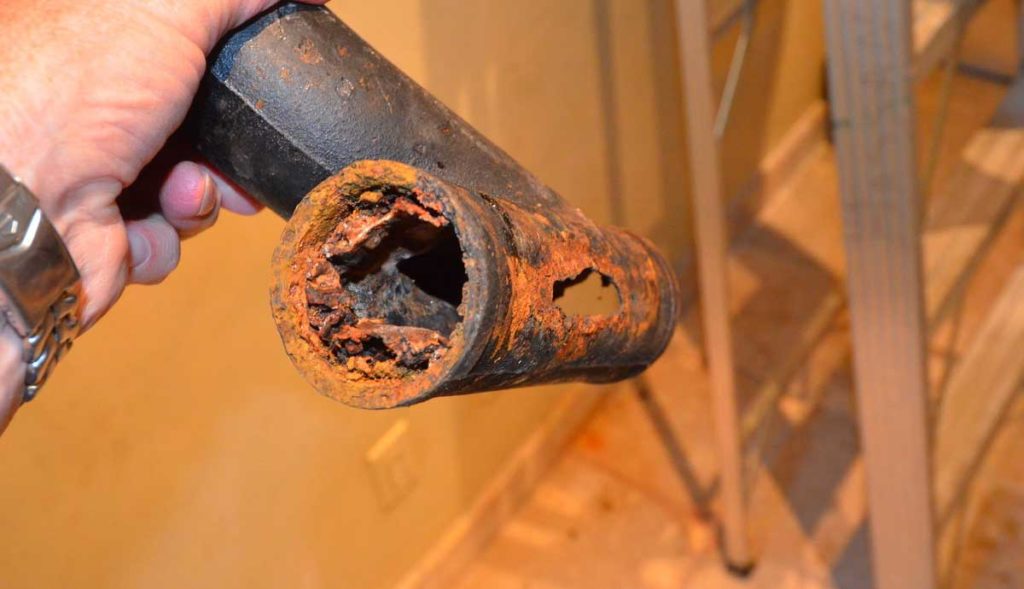
Credit: www.knightsplumbing.com
Introduction To Drain Cleaners
Have you ever wondered if drain cleaners damage pipes? Understanding how these products work is crucial. This section will give you an Introduction to Drain Cleaners, their common ingredients, and the types available.
Common Ingredients
Drain cleaners contain chemicals that help break down clogs. These ingredients can be strong. The most common ones include:
- Sodium Hydroxide – Also known as lye. It breaks down grease and hair.
- Sulfuric Acid – This is a strong acid. It dissolves organic matter.
- Bleach – Used in many household cleaners. It disinfects and breaks down grime.
Some drain cleaners also have enzymes or bacteria. These are gentler on pipes. They break down organic waste over time.
Types Of Drain Cleaners
There are different types of drain cleaners. Each has its own use and effectiveness.
- Chemical Drain Cleaners
- These are the most common. They use strong chemicals to clear clogs.
- They work quickly but can damage pipes if used too often.
- Enzyme Drain Cleaners
- These are gentler. They use natural enzymes to break down waste.
- They are safer for pipes but work more slowly.
- Biological Drain Cleaners
- These use bacteria to digest waste. They are safe and eco-friendly.
- They are best for regular maintenance, not severe clogs.
Choosing the right type of drain cleaner is important. It depends on the clog and your pipes.
How Drain Cleaners Work
Drain cleaners can damage pipes, especially if used too often. They contain chemicals that may corrode metal or plastic. Use them carefully to avoid costly repairs.
Drain cleaners promise quick fixes for clogged pipes. They come in various forms like liquid, gel, or powder. Understanding how they work can help you decide if they are safe for your pipes.
Chemical Reaction
Most drain cleaners use strong chemicals to break down clogs. These chemicals include lye, sulfuric acid, or bleach. They create a chemical reaction that dissolves hair, grease, and other materials. This reaction generates heat, which helps to break down the blockage.
Effectiveness
Drain cleaners can be effective for minor clogs. They work well on hair, soap scum, and grease. But, they may not clear more severe blockages. In such cases, a plumber might be needed. Overuse of drain cleaners can damage pipes. The strong chemicals can corrode metal and plastic pipes over time. This might lead to leaks or even pipe bursts.
Potential Damage To Pipes
Drain cleaners are convenient for clearing clogs. But they can damage pipes. Understanding the potential damage is key to preventing costly repairs.
Chemical Corrosion
Chemical drain cleaners contain harsh acids or alkalis. These chemicals break down clogs. But they also corrode pipes. Corrosion happens when chemicals react with the pipe material. Over time, this weakens the pipes. This can lead to leaks or even bursts.
| Type of Pipe | Vulnerability to Corrosion |
|---|---|
| Metal Pipes | Highly vulnerable |
| Plastic Pipes | Less vulnerable |
Physical Wear
Drain cleaners also cause physical wear. This is due to the heat generated by the chemical reactions. The heat can soften plastic pipes. This makes them more prone to damage. Metal pipes expand and contract with the heat. This constant movement weakens the joints and seals.
- Plastic pipes can melt or warp.
- Metal pipes can develop cracks.
- Joints and seals may fail over time.
Both chemical corrosion and physical wear shorten the lifespan of pipes. Using drain cleaners sparingly helps mitigate these risks. Regular maintenance is also important to keep your pipes in good condition.
Types Of Pipes Affected
Understanding the impact of drain cleaners on different types of pipes is crucial. Drain cleaners can be effective, but they may also harm your plumbing. Knowing which pipes are vulnerable can help you avoid damage and costly repairs.
Metal Pipes
Metal pipes, such as copper and galvanized steel, are common in older homes. These pipes can suffer from chemical reactions with drain cleaners. The chemicals in the cleaner can cause corrosion. This weakens the pipes over time.
Some drain cleaners generate heat. This heat can expand and contract metal pipes. This repetitive expansion can lead to cracks and leaks. Metal pipes are particularly at risk with acid-based cleaners. These cleaners are very strong and can quickly corrode metal.
Plastic Pipes
Plastic pipes, such as PVC and ABS, are common in modern homes. They are generally more resistant to chemical reactions. But, they are not immune to damage. The heat from chemical reactions can soften and deform plastic pipes. This makes them more prone to leaks and breaks.
Even though plastic pipes are less reactive, the chemicals can still create micro-fractures. Over time, these small cracks can grow, leading to significant damage. It is essential to use drain cleaners sparingly with plastic pipes. Opt for milder solutions to reduce the risk of damage.
| Type of Pipe | Vulnerability | Recommendations |
|---|---|---|
| Metal (Copper, Galvanized Steel) | Corrosion, Cracking from Heat | Use mild or enzyme-based cleaners |
| Plastic (PVC, ABS) | Softening, Micro-Fractures | Use sparingly and avoid heat-generating cleaners |
Signs Of Pipe Damage
Drain cleaners are a quick fix for clogged pipes, but they can cause damage. The chemicals in these cleaners can erode and weaken pipes over time. It’s essential to recognize signs of pipe damage early to prevent costly repairs.
Leaks
Leaks are a common sign of pipe damage. You might notice water stains on walls or ceilings. Small puddles around sinks or toilets can also be a clue. Unexplained wet spots on the floor are a red flag. Regularly check under sinks and around fixtures for moisture.
Discoloration
Discoloration is another indicator of damaged pipes. Rusty or brown water from your taps suggests corroded pipes. Stains on walls, floors, or ceilings also point to pipe issues. Pay attention to any changes in water color. It often signals a problem that needs attention.
Safe Alternatives To Drain Cleaners
Drain cleaners can be harmful to your pipes. Their harsh chemicals may corrode plumbing over time. Safe alternatives to drain cleaners help maintain your pipes without causing damage. Below are some effective methods.
Mechanical Methods
Mechanical methods involve using tools to clear blockages. They are effective and avoid chemicals.
- Plunger: A plunger can dislodge most clogs with a few pumps.
- Drain Snake: A drain snake reaches deep into pipes to pull out blockages.
- Drain Auger: For stubborn clogs, a drain auger can break up debris.
These tools are easy to use and available at most hardware stores. They are also cost-effective and eco-friendly.
Natural Solutions
Natural solutions use safe ingredients to clear your drains. They are gentle on pipes and the environment.
- Baking Soda and Vinegar: Pour a cup of baking soda followed by a cup of vinegar. Wait 15 minutes and flush with hot water.
- Boiling Water: Pour boiling water down the drain in stages. This can dissolve grease and soap scum.
- Salt and Baking Soda: Mix half a cup of salt with half a cup of baking soda. Pour it down the drain, followed by boiling water.
These natural methods are safe, inexpensive, and easy to use. They also help maintain a healthy plumbing system.
Preventive Measures
Drain cleaners can damage pipes if used frequently. They contain harsh chemicals that might corrode pipes over time. Using them sparingly and following instructions can help prevent this.
Preventive measures can keep your pipes safe from damage. These steps help you avoid the need for harsh chemicals. Regular maintenance and proper disposal are key to maintaining your plumbing system.
Regular Maintenance
Regular maintenance ensures your pipes remain in good condition. Check your pipes for leaks or rust often. Clean your drains with a mixture of hot water and baking soda. This method helps to prevent clogs without using harsh chemicals. Avoid pouring grease or oil down the drain. These substances can build up and cause blockages. Installing drain screens can catch debris before it enters the pipes. This simple tool can save you from major problems.
Proper Disposal
Proper disposal of waste can protect your pipes. Do not flush wipes or paper towels down the toilet. These items do not break down easily and can cause clogs. Dispose of food scraps in the trash, not the sink. Even small pieces can accumulate and create blockages. Use a compost bin for food waste if possible. This method is eco-friendly and reduces the risk of pipe damage. Always read the labels on products before disposing of them. Some chemicals can harm your plumbing system.

Credit: www.erplumbing.com
When To Call A Professional
Dealing with clogged drains can be frustrating. Sometimes, using a drain cleaner might not solve the problem. In such cases, it’s crucial to know when to call a professional. This guide will help you identify the right moments to seek expert help.
Persistent Clogs
If you notice that your drain remains clogged even after using a cleaner, it’s time to call a professional. Persistent clogs can indicate a deeper issue. Professionals have the tools and expertise to address these problems effectively. Don’t risk causing more damage by repeatedly using chemical cleaners.
Visible Damage
Visible damage to your pipes is a clear sign you need help. This can include cracks, leaks, or corrosion. Using drain cleaners on damaged pipes can worsen the situation. A professional can assess the damage and recommend the best course of action. They can also prevent future issues from arising.
Frequently Asked Questions
Does Drain Cleaner Corrode Pipes?
Yes, drain cleaners can corrode pipes over time. The chemicals in drain cleaners are strong and can damage metal and PVC pipes. This can lead to leaks and expensive repairs.
Can Drain Cleaner Damage Plastic Pipes?
Yes, drain cleaners can damage plastic pipes. The harsh chemicals in drain cleaners can cause plastic pipes to warp or melt. This can result in costly repairs and replacements.
Are Natural Drain Cleaners Safe For Pipes?
Yes, natural drain cleaners are generally safe for pipes. They use non-toxic ingredients like baking soda and vinegar. These are less likely to cause damage to your plumbing system.
How Often Should You Use Drain Cleaner?
Use drain cleaner sparingly, ideally no more than once every few months. Frequent use can damage pipes and cause long-term issues. Consider alternative methods like a plumber’s snake for clogs.
Conclusion
Using drain cleaner can harm your pipes over time. Opt for safer alternatives. Consider natural solutions, like vinegar and baking soda. Regular maintenance helps prevent clogs. Professional plumbers offer safe and effective services. Protect your plumbing by avoiding harsh chemicals.
Your pipes will last longer and work better. Simple steps save you money and stress. Prioritize safe practices for a healthy home.
As an Amazon Associate, Cleanestor earns from qualifying purchases at no additional cost to you.