

Yes, O2 sensors can be cleaned. But it’s not always the best solution.
Cleaning may improve performance temporarily, but it is not a permanent fix. O2 sensors, or oxygen sensors, play a crucial role in your car’s engine system. They measure the amount of oxygen in the exhaust gases, helping the engine run efficiently.
Over time, these sensors can get dirty or clogged, affecting their accuracy. Cleaning O2 sensors might seem like an easy way to save money, but it has its limits. In this blog post, we will discuss when cleaning is a good idea, how to do it safely, and when it’s better to replace the sensor. This information will help you make the right choice for your vehicle.
Credit: carfromjapan.com
Introduction To O2 Sensors
O2 sensors, also known as oxygen sensors, play a vital role in vehicles. These sensors help in monitoring and regulating the air-fuel mixture. They ensure the engine runs efficiently and reduces harmful emissions.
What Are O2 Sensors?
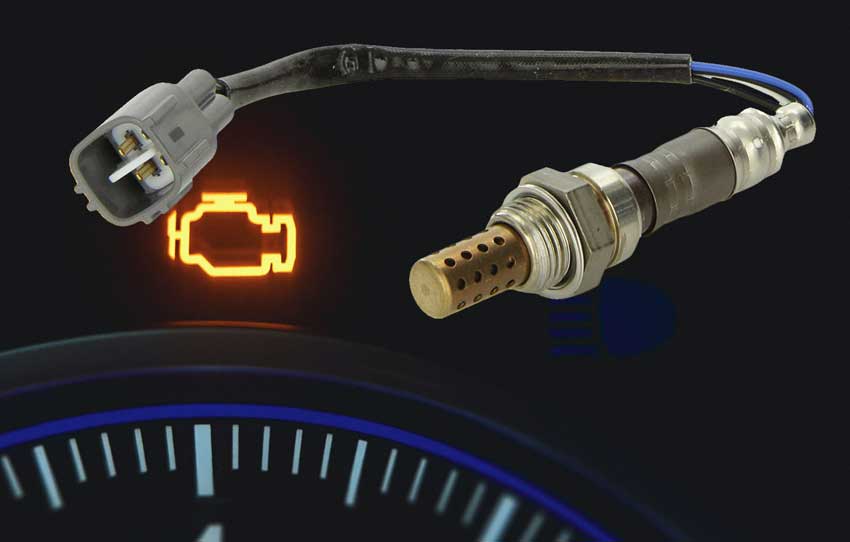
O2 sensors are small electronic devices found in the exhaust system. They measure the amount of oxygen in the exhaust gases. This information helps the engine control unit (ECU) adjust the air-fuel ratio.
Importance In Vehicles
O2 sensors help maintain the right air-fuel mixture. This balance is crucial for engine performance. It ensures fuel efficiency and reduces pollution. A malfunctioning O2 sensor can cause poor fuel economy. It may also lead to higher emissions and engine problems.
Properly functioning O2 sensors are essential. They keep your vehicle running smoothly. They also help in complying with emission standards. Regular checks and maintenance can prolong their life.
Signs Of A Failing O2 Sensor
Oxygen sensors (O2 sensors) play a vital role in your vehicle’s performance. They help monitor and manage the air-fuel mixture. If an O2 sensor fails, it can lead to various issues. Recognizing the signs of a failing O2 sensor can save you from costly repairs. Let’s explore the common symptoms and impact on vehicle performance.
Common Symptoms
There are several telltale signs of a failing O2 sensor. One of the most obvious is the check engine light. This light illuminates on your dashboard. Another symptom is poor fuel economy. You might notice you’re refilling your tank more often. A faulty O2 sensor can also cause rough engine idle. Your car might shake or vibrate more than usual. Finally, a failing O2 sensor can result in failed emissions tests. Your vehicle might not pass the required smog checks.
Impact On Vehicle Performance
A failing O2 sensor can significantly impact your vehicle’s performance. The most noticeable effect is reduced fuel efficiency. Your engine may burn more fuel than necessary. This leads to higher fuel costs. Another impact is increased emissions. Your vehicle will release more pollutants into the air. This not only harms the environment but also risks failing emission tests. Engine performance can also suffer. You may experience loss of power or sluggish acceleration. This can make driving less enjoyable and more frustrating.
Causes Of O2 Sensor Contamination
The efficiency of your vehicle’s oxygen sensor, or O2 sensor, is crucial. It helps monitor the air-fuel ratio in your engine. But what happens when this vital component gets contaminated? Let’s explore the main causes of O2 sensor contamination.
Fuel Contaminants
Fuel contaminants are a common cause of O2 sensor issues. Low-quality fuel often contains impurities. These impurities can deposit on the sensor, affecting its performance. Over time, this buildup can lead to inaccurate readings. This results in poor engine performance and increased emissions.
Oil And Coolant Leaks
Oil and coolant leaks can also contaminate O2 sensors. Leaking oil can seep into the exhaust system. It then coats the O2 sensor, causing it to malfunction. Coolant leaks have a similar effect. They can leave residues that interfere with the sensor’s operation. Both types of leaks should be addressed promptly.

Credit: carfromjapan.com
Can O2 Sensors Be Cleaned?
Oxygen sensors (O2 sensors) play a vital role in your car’s engine. They measure the amount of oxygen in the exhaust gases. This data helps the engine control system to adjust the air-fuel mixture. Sometimes, these sensors get dirty or clogged. Many car owners wonder if they can clean these sensors instead of replacing them.
Pros And Cons
Cleaning O2 sensors can save you money. A new sensor can be costly. Cleaning might restore its functionality. It is a simple and cheap alternative. But, it is not always effective. The process can be time-consuming. It requires precision. Sometimes, the sensor may be too damaged or worn out to clean.
Effectiveness
Cleaning O2 sensors can improve performance. It can remove dirt and deposits. This may restore the sensor’s function. But, it’s not a guaranteed fix. Some contaminants are too tough to remove. If the sensor is old, cleaning might not help. In such cases, replacement is the best option. Regular maintenance can prevent sensor clogging. Keeping your engine in good shape prolongs sensor life.
Methods To Clean O2 Sensors
Oxygen sensors, or O2 sensors, play a crucial role in monitoring the oxygen levels in your car’s exhaust. Over time, these sensors can get dirty or clogged, leading to inaccurate readings and reduced vehicle performance. While replacing a faulty O2 sensor is an option, cleaning it may restore its efficiency and save you money. Let’s explore some methods to clean O2 sensors.
Using Fuel Additives
Fuel additives can help clean O2 sensors. These additives are mixed with your fuel and work during combustion. They break down deposits and carbon build-up on the sensor. Regular use of fuel additives may prevent the sensor from getting dirty. Make sure to use high-quality fuel additives for better results.
Manual Cleaning Techniques
Another way to clean O2 sensors is through manual cleaning. First, remove the sensor from your vehicle. Soak the sensor in a bowl of gasoline or a specialized cleaner for a few hours. This helps to dissolve any deposits. After soaking, use a soft brush to gently scrub the sensor. Be careful not to damage the sensor while cleaning. Finally, let the sensor dry completely before reinstalling it.
Safety Precautions
Cleaning an O2 sensor can extend its life and improve car performance. But it is essential to follow safety precautions. This helps avoid accidents and ensures a safe cleaning process.
Protective Gear
Always wear protective gear. Gloves protect your hands from chemicals and sharp edges. Safety goggles shield your eyes from debris and harmful substances. A mask prevents inhaling toxic fumes from cleaning agents.
Proper Handling
Proper handling of the O2 sensor is crucial. Always disconnect the car battery before starting. This prevents electrical shocks. Use proper tools like wrenches to avoid damage. Never use excessive force. This can break the sensor or its components.
Place the sensor on a clean, flat surface. This avoids contamination and ensures effective cleaning. Handle the sensor gently. Dropping or mishandling can lead to cracks or other damage.
Table: Recommended Protective Gear
| Gear | Purpose |
|---|---|
| Gloves | Protect hands from chemicals and sharp edges |
| Safety Goggles | Shield eyes from debris and harmful substances |
| Mask | Prevent inhaling toxic fumes |
Following these safety precautions ensures a safe and effective O2 sensor cleaning process. Always prioritize safety to protect yourself and your vehicle.
When To Replace Instead Of Clean
Oxygen sensors, or O2 sensors, play a crucial role in your vehicle’s performance. They help monitor the air-fuel mixture and ensure optimal engine function. While cleaning O2 sensors can extend their life, there are times when replacement is the better option.
Severe Contamination
Severe contamination can render an O2 sensor ineffective. Common contaminants include oil, coolant, and fuel. These substances can coat the sensor, blocking its ability to read oxygen levels accurately. Cleaning may not remove all residues. This can lead to persistent issues.
Sensor Lifespan
O2 sensors have a limited lifespan. Most sensors last between 60,000 to 90,000 miles. After this period, their efficiency decreases. Cleaning can provide a temporary fix. But it won’t restore the sensor to its original condition. Old sensors may not respond well to cleaning. Replacement ensures reliable performance.

Credit: www.youtube.com
Maintaining O2 Sensors
Oxygen sensors, or O2 sensors, are crucial for your vehicle’s performance. They monitor oxygen levels in the exhaust gases. This helps manage the fuel-to-air ratio. Proper maintenance can extend their lifespan. This guide covers how to maintain them effectively.
Regular Inspections
Regular inspections can prevent O2 sensor failure. Check your vehicle’s manual for the recommended schedule. Look for signs of wear or damage.
Common signs include poor fuel economy, rough idling, and engine warning lights. Address these issues immediately.
A mechanic can perform a more thorough inspection. They use specialized tools. This ensures accurate diagnostics.
Preventative Measures
Preventative measures can keep O2 sensors in good condition. Use high-quality fuel. This reduces contaminants that can damage sensors.
Avoid short trips. Short trips do not allow the engine to reach optimal temperature. This can lead to sensor failure.
Keep your engine well-tuned. A poorly tuned engine can produce excess emissions. This damages O2 sensors over time.
Regular oil changes are also important. Old oil can create more contaminants. These contaminants can harm the O2 sensor.
In summary, regular inspections and preventative measures can maintain O2 sensors. This ensures better vehicle performance and longevity.
Frequently Asked Questions
Can O2 Sensors Be Cleaned?
Yes, O2 sensors can be cleaned. However, it’s not always effective. Cleaning may temporarily improve performance but often replacement is necessary.
What Are The Signs Of A Dirty O2 Sensor?
Common signs include poor fuel economy, rough idling, and increased emissions. The check engine light might also illuminate.
How Often Should O2 Sensors Be Replaced?
Typically, O2 sensors should be replaced every 60,000 to 90,000 miles. Refer to your vehicle’s manual for exact intervals.
Can A Dirty O2 Sensor Cause Engine Problems?
Yes, a dirty O2 sensor can cause engine misfires, poor acceleration, and rough idling. It affects overall engine performance.
Conclusion
Cleaning O2 sensors can be tricky. It may offer short-term benefits. But, new sensors are often better. They ensure accurate readings. Better fuel efficiency. Cleaner emissions. Regular maintenance is key. Always consult your car’s manual. Or talk to a professional.
It saves time and money. Your car will thank you. Clean sensors mean a smoother ride. Happy driving!


As an Amazon Associate, Cleanestor earns from qualifying purchases at no additional cost to you.
