

Yes, a charcoal canister can be cleaned. But it’s not always simple.
It requires careful steps to avoid damage. The charcoal canister is a key part of your car’s emission system. It traps harmful vapors and prevents them from escaping into the air. Over time, it can get clogged with dirt and debris.
Cleaning it might save you the cost of a replacement. But, not all canisters are designed to be cleaned. Some need replacement when they fail. In this blog post, we will explore the best methods to clean your charcoal canister. We will also discuss when it’s best to replace it. Stay tuned to learn more about maintaining this crucial part of your vehicle.
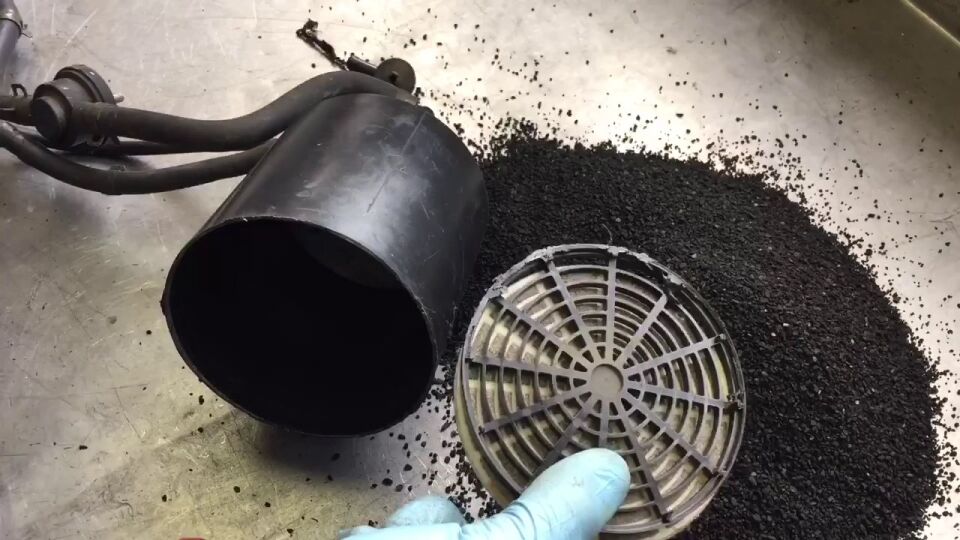
Credit: m.youtube.com
Introduction To Charcoal Canisters
Charcoal canisters play a vital role in your vehicle’s emission system. They help manage and reduce harmful fuel vapors. Understanding their purpose and function is key to maintaining your car’s efficiency.
Purpose And Function
Charcoal canisters, also known as EVAP canisters, are filled with activated charcoal. This material absorbs and stores fuel vapors from the gas tank. The main purpose of these canisters is to prevent fuel vapors from escaping into the atmosphere.
Here’s a quick breakdown of their function:
- Absorption: The canister collects fuel vapors.
- Storage: It stores the vapors until the engine is ready to use them.
- Release: The stored vapors are sent to the engine for combustion, reducing emissions.
Common Issues
Charcoal canisters can sometimes face issues. Here are some common problems:
- Clogging: Dirt and debris can clog the canister, leading to poor performance.
- Cracks: Physical damage can cause cracks, which may result in fuel vapor leaks.
- Overfilling: Overfilling the gas tank can flood the canister with liquid fuel, causing it to fail.
Symptoms of a faulty canister include:
- Check Engine Light.
- Fuel odor.
- Reduced fuel efficiency.
Maintaining your charcoal canister is essential. Regular checks can prevent major issues and keep your vehicle running efficiently.

Credit: roborace.com
Signs Of A Clogged Canister
Is your car showing signs of trouble? It might be a clogged charcoal canister. This crucial part traps fuel vapors and prevents them from escaping into the atmosphere. But, over time, it can get clogged. Recognizing the signs can save you from bigger issues.
Symptoms To Watch For
How do you know if the charcoal canister is clogged? Here are some common symptoms:
- Check Engine Light: This is often the first sign. A clogged canister can trigger this warning.
- Fuel Odors: Smelling gas around your car? It might be the canister.
- Difficulty Refueling: Struggling to fill up your tank? A clogged canister could be the cause.
- Poor Fuel Economy: A drop in fuel efficiency may point to a clogged canister.
Impact On Vehicle Performance
A clogged charcoal canister can affect your vehicle’s performance. Here’s how:
| Issue | Effect |
|---|---|
| Engine Stalling | The engine may stall or run rough. |
| Reduced Power | You might notice a drop in engine power. |
| Emissions Test Failure | Your car may fail emissions testing. |
| Increased Emissions | Higher emissions levels harm the environment. |
Regular maintenance can prevent these issues. Clean or replace the canister as needed. Keep your car running smoothly and efficiently.
Tools Needed For Cleaning
Cleaning a charcoal canister requires specific tools and attention to safety. Using the right equipment ensures that the cleaning process is efficient and safe. Below, we will discuss the essential equipment and safety precautions needed for this task.
Essential Equipment
To clean a charcoal canister, you will need the following tools:
- Air Compressor: This helps blow out any debris stuck in the canister.
- Vacuum Cleaner: A powerful vacuum can remove loose particles.
- Safety Glasses: Protect your eyes from dust and debris.
- Gloves: Keep your hands safe from dirt and chemicals.
- Screwdriver Set: Useful for removing and reattaching the canister.
- Cleaning Brush: Helps scrub away stubborn dirt.
Safety Precautions
Before starting, consider the following safety measures:
- Work in a Well-Ventilated Area: Ensure there is good airflow to avoid inhaling fumes.
- Wear Protective Gear: Use gloves and safety glasses to protect yourself.
- Disconnect the Battery: Prevent accidental electric shocks by disconnecting the car battery.
- Read the Manual: Follow the manufacturer’s instructions for your specific canister model.
- Avoid Open Flames: Charcoal canisters can emit flammable vapors. Keep away from open flames.
Using the right tools and taking the necessary precautions will make the cleaning process smoother and safer. Proper equipment and safety measures ensure your charcoal canister functions optimally.
Preparing For Cleaning
Cleaning a charcoal canister can be a cost-effective solution. It helps in maintaining the efficiency of your vehicle’s emission system. Before you start the cleaning process, it is essential to prepare properly. Below are the steps for locating the canister and disconnecting it safely.
Locating The Canister
First, find the charcoal canister in your vehicle. This part is usually near the fuel tank. Check your car’s manual for the exact location. It is often mounted in the rear of the vehicle. Look for a small, black box with hoses attached.
Disconnecting Safely
Before disconnecting the canister, ensure the car is off. Use safety gloves and goggles. These protect you from any harmful chemicals. Carefully remove the hoses connected to the canister. Mark the hoses if needed for easy reattachment later. Avoid using excessive force to prevent damage. Once disconnected, place the canister in a clean, dry area for further cleaning steps.
Cleaning Process Step-by-step
Cleaning a charcoal canister can improve your vehicle’s efficiency. This guide provides easy steps to clean your canister. Follow these steps to ensure your canister works well.
Removing The Canister
First, locate the charcoal canister. It is usually near the fuel tank. Ensure the car is cool to avoid burns. Use basic tools to remove the canister:
- Wrench
- Screwdriver
- Gloves
Follow these steps to remove it:
- Disconnect the battery for safety.
- Locate the canister and find its connections.
- Use a wrench to remove bolts and screws.
- Carefully pull out the canister.
Cleaning Techniques
After removing the canister, clean it properly. Here are two cleaning techniques:
| Technique | Steps |
|---|---|
| Compressed Air |
|
| Cleaning Solution |
|
Let the canister dry completely before reinstalling. Reassemble it by reversing the removal steps. Ensure all connections are tight. Reconnect the battery and start the car. Check for any leaks or issues.
Reinstalling The Canister
Reinstalling the canister is a crucial step in maintaining your vehicle’s emission system. After cleaning the charcoal canister, proper reattachment ensures it functions effectively. Follow these steps carefully to avoid future issues.
Reattachment Steps
First, align the canister with its mounting bracket. Ensure it fits snugly. Connect the hoses to their respective ports. Use pliers to secure hose clamps. Make sure each connection is tight. Loose connections can cause leaks. Next, bolt the canister back into place. Double-check the bolts for tightness. Loose bolts can cause rattling.
Testing For Proper Function
Start the engine to test the canister. Listen for unusual noises. Check for fuel smells around the canister. These could indicate leaks. Observe the engine’s performance. It should run smoothly. If there are any issues, recheck the connections. Make sure everything is secure. Lastly, use an OBD-II scanner. This helps detect any emission system errors. Fix any detected issues promptly.
Preventative Maintenance
Preventative maintenance is crucial for the longevity of your vehicle’s components. This includes the charcoal canister. By performing regular checks and following simple tips, you can avoid potential issues. Proper care ensures your car runs smoothly and efficiently.
Regular Checks
Conducting regular checks on the charcoal canister is essential. Inspect it every few months. Look for any signs of damage or wear. Pay attention to unusual smells. These could indicate a problem. Listen for any odd noises coming from the canister area. Early detection can prevent bigger issues down the road.
Tips To Avoid Future Issues
To avoid future problems with your charcoal canister, follow a few simple tips. First, avoid overfilling your gas tank. This can cause fuel to enter the canister. Second, use quality fuel to reduce contaminants. Third, keep an eye on the check engine light. If it comes on, investigate immediately. Lastly, follow your car’s maintenance schedule. Regular maintenance helps keep all components, including the charcoal canister, in good condition.
When To Replace Instead Of Clean
Cleaning a charcoal canister can be a temporary fix. But, sometimes, it is better to replace it. Knowing when to replace the charcoal canister instead of cleaning it can save time and money.
Signs Of Irreversible Damage
Some signs indicate the charcoal canister is beyond cleaning. One sign is a strong fuel odor. This means the canister is saturated and not working. Another sign is the check engine light. This light can mean the canister has internal damage.
Also, if your car fails an emissions test, it may be due to the canister. Physical damage, like cracks or breaks, also means replacement. If you see any of these signs, consider replacing the canister.
Choosing A Replacement
When choosing a replacement, check your car’s manual. It will have the correct part number. Always buy from a trusted source. This ensures you get a quality product. You can choose from original or aftermarket parts. Both types have pros and cons.
Ensure the replacement fits your car model. Some canisters are universal, but many are specific. Always double-check before buying. Replacing the canister can restore your car’s performance. It can also help pass emissions tests.

Credit: www.toyotanation.com
Frequently Asked Questions
What Is A Charcoal Canister?
A charcoal canister is part of the vehicle’s evaporative emissions control system. It captures fuel vapors from the fuel tank and stores them until they can be burned in the engine.
Can A Charcoal Canister Be Cleaned?
Yes, a charcoal canister can be cleaned. However, it’s often more effective and less time-consuming to replace it entirely, ensuring optimal performance.
How Do You Clean A Charcoal Canister?
To clean a charcoal canister, remove it and use compressed air to blow out debris. Ensure all parts are dry before reinstallation.
What Are Symptoms Of A Bad Charcoal Canister?
Symptoms include fuel odor, check engine light, and failed emissions tests. Poor engine performance might also indicate a faulty canister.
Conclusion
Cleaning a charcoal canister can save you money and extend its life. A clean canister helps your vehicle run efficiently. Regular maintenance prevents bigger issues and costly repairs. Always follow the manufacturer’s guidelines for cleaning. Use the right tools and materials for the job.
If unsure, seek professional help. Keeping your canister clean ensures better performance and longevity. Remember, a little effort goes a long way. Maintain your vehicle well and enjoy smooth driving.


As an Amazon Associate, Cleanestor earns from qualifying purchases at no additional cost to you.
