
Lens cleaner is a solution used to clean lenses. It helps remove dirt, smudges, and fingerprints.
Lenses are delicate and need proper care. Whether you have eyeglasses, camera lenses, or binoculars, keeping them clean is vital. Dirty lenses can affect vision and image quality. Lens cleaner is specially formulated to clean without damaging the surface. It is a must-have for anyone who wears glasses or uses optical devices.
In this post, we will explore what lens cleaner is, how it works, and why it is essential. Stay with us to learn more about keeping your lenses spotless and clear.
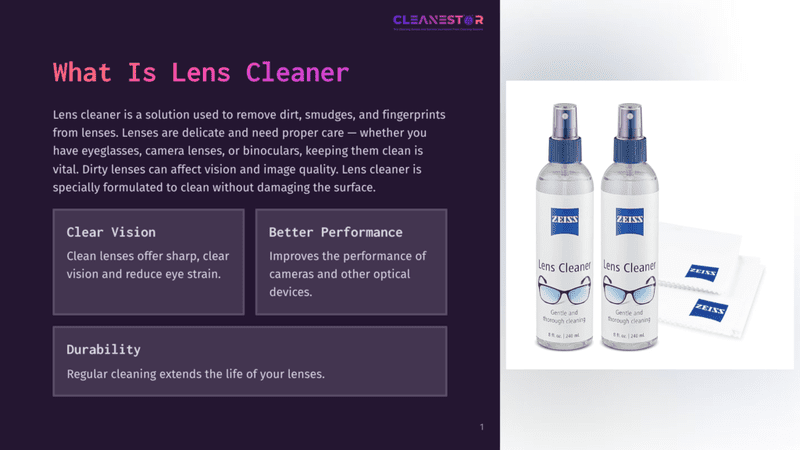

Introduction To Lens Cleaner
A lens cleaner is a solution or tool for cleaning lenses. It removes dirt, dust, and smudges from lenses. This keeps your vision clear and your lenses in good condition. Clean lenses are important for cameras, glasses, and other optical devices.
Importance Of Clean Lenses
Clean lenses provide clear vision and better performance. Dirty lenses can cause blurry vision and eye strain. They can also affect the quality of photos taken with cameras. Regular cleaning helps maintain the lifespan of the lenses. It also ensures that you get the best performance from your optical devices.
- Clear Vision: Clean lenses offer sharp and clear vision.
- Better Performance: Clean lenses improve the performance of cameras and other optical devices.
- Durability: Regular cleaning extends the life of the lenses.
Common Uses
Lens cleaners have many uses. They are used for cleaning eyeglasses, camera lenses, binoculars, and microscopes. Here are some common uses:
- Eyeglasses: Keep your glasses clean and free from smudges.
- Camera Lenses: Ensure clear and sharp photos.
- Binoculars: Maintain clear vision during outdoor activities.
- Microscopes: Get accurate and clear observations.
| Device | Why Clean? |
|---|---|
| Eyeglasses | Clear vision, prevent eye strain |
| Camera Lenses | Sharp photos, protect lens coating |
| Binoculars | Clear vision, better outdoor experience |
| Microscopes | Accurate observations, clear view |
Using a lens cleaner is simple. Always follow the instructions on the product. Use a clean microfiber cloth to wipe the lenses. Avoid using rough materials that can scratch the lenses. Keep your lenses clean for the best performance and longevity.
Types Of Lens Cleaners
Lens cleaners come in different types to suit various needs and preferences. Understanding the types available can help you choose the best one for your lenses. Below are the main types of lens cleaners you can use.
Liquid Cleaners
Liquid cleaners are a popular choice for many. They come in spray bottles for easy application. Simply spray the solution onto the lens surface. Then, wipe it with a clean cloth. Liquid cleaners are effective for removing smudges and fingerprints. They are safe for various lens types, including eyeglasses and camera lenses.
Wipes And Cloths
Wipes and cloths offer a convenient cleaning option. Pre-moistened wipes are ready to use anytime. They are disposable, making them ideal for travel. Microfiber cloths are reusable and gentle on lenses. They can be used dry or with a liquid cleaner. Both options are great for quick, on-the-go cleaning.
Ingredients In Lens Cleaners
Lens cleaners are essential for keeping your glasses and lenses clear. The ingredients in these cleaners make a big difference. Some are safe, while others are best avoided. Let’s take a look at these ingredients.
Safe Chemicals
Certain chemicals are safe for lens cleaning. These chemicals do not harm the lenses or your eyes. Here are some examples:
- Isopropyl Alcohol: This helps remove oils and smudges. It evaporates quickly, leaving no residue.
- Distilled Water: It is used to dilute other ingredients. It ensures the cleaner is gentle on lenses.
- Surfactants: These break down dirt and oils. They help clean the lens surface effectively.
These ingredients make the cleaner safe and effective. They ensure your lenses are clean without damage.
Avoidable Ingredients
Some ingredients should be avoided in lens cleaners. They can damage the lenses or irritate your eyes. Here are a few to watch out for:
- Ammonia: This can strip the protective coating on lenses. It can also cause eye irritation.
- Benzalkonium Chloride: This is a harsh disinfectant. It can damage lenses and cause eye discomfort.
- Acetone: This is a powerful solvent. It can ruin the lens surface and coatings.
Using cleaners with these ingredients can be risky. Always check the label before use.
Knowing the ingredients in lens cleaners helps you choose wisely. Safe chemicals ensure your lenses stay clean and clear. Avoidable ingredients can cause more harm than good.
Benefits Of Using Lens Cleaner
Lens cleaner keeps your glasses clear, improving vision quality. It removes dirt and smudges quickly. Safe for lenses, preventing scratches and damage.
Using a lens cleaner has many benefits. It helps keep your lenses clear and free from dirt and grime. This is important for anyone who wears glasses, uses cameras, or has other optical devices. Let’s explore the key benefits below.
Enhanced Clarity
Regular use of lens cleaner can improve the clarity of your lenses. Clean lenses mean you can see better. It removes dust, smudges, and fingerprints. This is especially important for photographers. Clear lenses ensure better quality photos. For those who wear glasses, it means better vision. Clean lenses also reduce eye strain.
Prolonged Lens Life
Using a lens cleaner can extend the life of your lenses. Dirt and grime can cause scratches over time. Cleaning your lenses regularly prevents this. It also helps maintain the lens coating. This is especially true for lenses with anti-reflective coating. Proper care keeps your lenses in good condition for longer.
| Benefit | Impact |
|---|---|
| Enhanced Clarity | Better vision and photo quality |
| Prolonged Lens Life | Prevent scratches and maintain coating |
Using a lens cleaner is simple. It involves a few quick steps:
- Spray the cleaner on the lens.
- Wipe with a microfiber cloth.
- Check for any remaining spots.
Keep your lenses clean. Enjoy clear vision and better photos.
How To Use Lens Cleaner
Using lens cleaner properly ensures your glasses or camera lenses stay spotless and clear. This guide will help you use lens cleaner effectively. Follow these steps to achieve the best results.
Step-by-step Guide
First, wash your hands to remove any dirt or oils. Next, blow off loose particles from the lens with a blower or soft brush. Apply the lens cleaner to a microfiber cloth, not directly on the lens. Gently wipe the lens in a circular motion. Start from the center and move outward. Ensure you cover the entire surface. Finally, inspect the lens under light to check for any remaining spots.
Common Mistakes
One common mistake is spraying lens cleaner directly on the lens. This can cause streaks and damage. Another mistake is using tissues or paper towels. These materials can scratch the lens. Avoid using too much pressure while wiping. This can lead to scratches or damage. Lastly, don’t forget to clean the microfiber cloth regularly. A dirty cloth can transfer dirt back onto the lens.
DIY Lens Cleaner Options
Keeping your lenses clean is essential for clear vision. Many people prefer to make their own lens cleaner at home. DIY lens cleaner options are not only cost-effective but also easy to make. Let’s explore some homemade solutions and their pros and cons.
Homemade Solutions
Creating a lens cleaner at home requires only a few ingredients. Common household items can do the trick. Here are some simple recipes:
- Water and Dish Soap: Mix a drop of dish soap with warm water. Use this mixture to clean your lenses.
- Rubbing Alcohol and Water: Combine equal parts of rubbing alcohol and water. Add a drop of dish soap for better results.
- Vinegar and Water: Mix one part vinegar with three parts water. This solution works well for removing smudges.
Pros And Cons
Homemade lens cleaners have their advantages and disadvantages. Here is a quick look:
| Pros | Cons |
|---|---|
|
|
Choosing The Right Lens Cleaner
Choosing the right lens cleaner is crucial for maintaining the clarity and longevity of your lenses. With numerous options available, it can be challenging to find the ideal solution. In this section, we will explore the key factors to consider and highlight some of the top brands in the market.
Factors To Consider
When selecting a lens cleaner, there are several factors to keep in mind:
- Type of Lens: Different lenses require different cleaners. Ensure the cleaner is suitable for your lens type.
- Ingredients: Check for safe and effective ingredients. Avoid harsh chemicals that can damage your lenses.
- Application Method: Choose a cleaner that is easy to apply, whether it’s a spray, wipe, or liquid.
- Residue-Free: Ensure the cleaner does not leave any residue. Residue can affect lens clarity.
- Anti-Static Properties: Anti-static cleaners prevent dust and debris from sticking to your lenses.
Top Brands
Several brands stand out for their reliable and effective lens cleaners:
| Brand | Features |
|---|---|
| Zeiss | Gentle on lenses, effective cleaning, anti-static properties |
| Optix 55 | Ammonia-free, streak-free finish, convenient spray bottle |
| Koala Kleaner | Eco-friendly, alcohol and ammonia-free, safe for all lenses |
| BAUSCH + LOMB | Safe for coatings, anti-fog properties, easy to use |
| Peeps | Carbon cleaning technology, compact design, no liquids or cloths |
Considering these factors and brands can help you choose the right lens cleaner. This ensures your lenses remain clear and well-maintained.
Maintaining Clean Lenses
Keeping your lenses clean is essential for clear vision. Dirty lenses can cause strain and discomfort. Regular cleaning and proper storage help maintain lens clarity. Below are some tips to keep your lenses in top shape.
Regular Cleaning Routine
Establishing a regular cleaning routine is crucial. Follow these steps:
- Wash your hands with soap and water. Dry them with a lint-free towel.
- Blow off dust and debris from the lenses.
- Apply a few drops of lens cleaner to each lens.
- Gently rub the lenses with a clean, soft cloth.
- Use circular motions to avoid scratches.
- Inspect the lenses for any remaining spots or smudges.
Repeat this process daily for best results.
Storage Tips
Proper storage extends the life of your lenses. Follow these guidelines:
- Always use a clean, dry case.
- Store lenses in a cool, dry place.
- Avoid leaving lenses in hot or humid environments.
- Keep the case sealed when not in use.
- Replace the lens case every three months.
These practices help prevent scratches and damage.
Maintaining clean lenses ensures better vision and comfort. Regular cleaning and proper storage are key. Follow these tips to keep your lenses in perfect condition.
Frequently Asked Questions
What Is Lens Cleaner Used For?
Lens cleaner is used to clean and remove smudges, dirt, and fingerprints from lenses. It ensures clear vision and maintains lens quality.
How Do You Use Lens Cleaner?
Spray the lens cleaner on a microfiber cloth, then gently wipe the lens. Avoid spraying directly on the lens.
Can Lens Cleaner Damage Lenses?
Using a proper lens cleaner is safe and won’t damage lenses. Always use recommended products to ensure lens safety.
Is Lens Cleaner Safe For All Lenses?
Yes, most lens cleaners are safe for eyeglasses, camera lenses, and other optical lenses. Check product compatibility before use.
Conclusion
A good lens cleaner keeps your lenses clear and scratch-free. It removes smudges, dust, and fingerprints quickly. Use a cleaner designed for your lens type. A clean lens improves vision and protects your investment. Regular cleaning extends the life of your lenses.
Always follow the instructions on the product. This ensures the best results and safety. Find a trusted brand and stick to it. Your lenses will thank you for the care. Happy cleaning!
As an Amazon Associate, Cleanestor earns from qualifying purchases at no additional cost to you.