
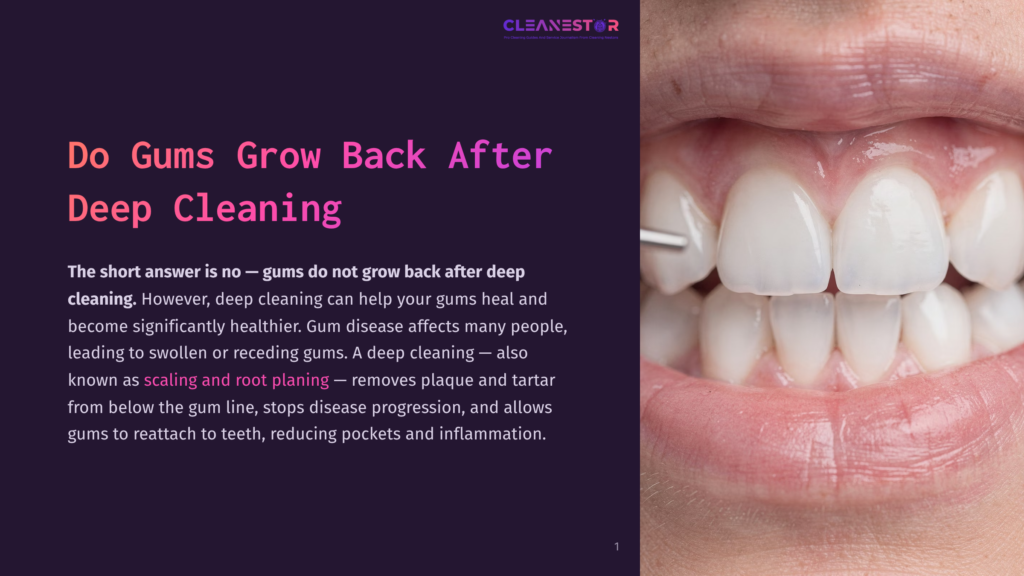
“Do gums grow back after deep cleaning?” The short answer is no, gums do not grow back after deep cleaning.
But, deep cleaning can help your gums heal and become healthier. Gum disease affects many people, leading to swollen or receding gums. A deep cleaning, also known as scaling and root planing, is a common treatment. It removes plaque and tartar from below the gum line.
This process helps stop gum disease and promotes healing. While the gums don’t grow back, they can reattach to the teeth and reduce pockets. This can make your gums appear healthier and less inflamed. Understanding what deep cleaning can and cannot do for your gums is important for maintaining a healthy smile. Keep reading to learn more about how deep cleaning benefits your oral health.
Introduction To Gum Health
Gum health is essential for overall dental well-being. Strong gums protect teeth and prevent oral diseases. Understanding gum health can help maintain a healthy smile.
Regular dental check-ups and cleanings are key. They help prevent gum diseases and keep gums healthy. Let’s explore the importance of healthy gums and how to recognize signs of gum disease.
Importance Of Healthy Gums
Healthy gums hold teeth firmly in place. They act as a barrier against bacteria. Without strong gums, teeth can become loose and fall out. Good gum health ensures a strong foundation for your teeth.
Maintaining healthy gums reduces the risk of gum disease. It also prevents bad breath and tooth loss. Healthy gums contribute to overall health, reducing the risk of heart disease and other conditions.
Signs Of Gum Disease
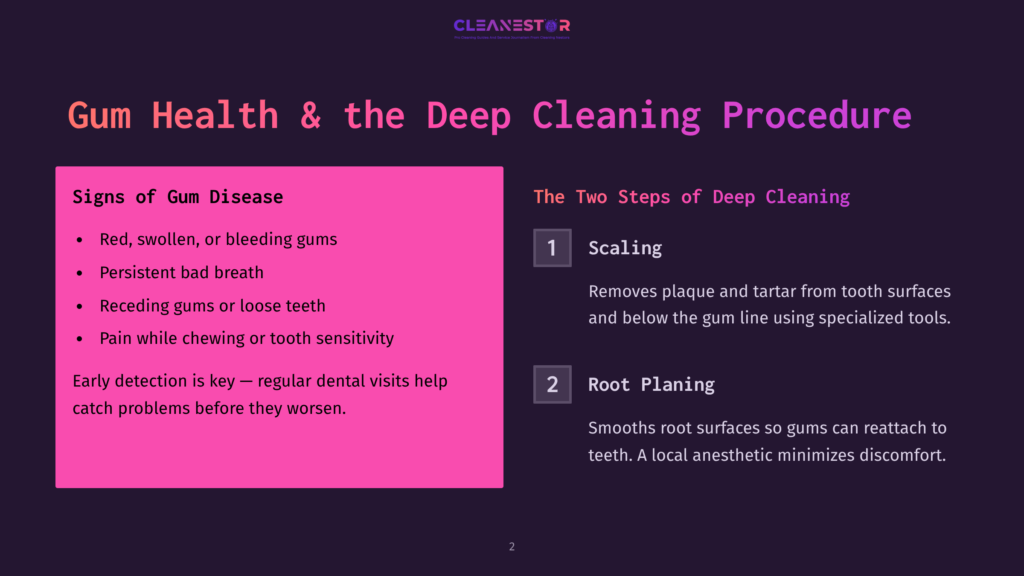
Recognizing gum disease early can save your gums and teeth. Common signs include red, swollen, or bleeding gums. Persistent bad breath can also indicate gum disease.
If you notice receding gums or loose teeth, see a dentist. Pain while chewing or sensitive teeth can also be warning signs. Early detection is key to effective treatment.
Gum disease can progress without obvious symptoms. Regular dental visits help catch problems early. Your dentist can provide treatments to restore gum health.
Deep Cleaning Procedure
The deep cleaning procedure is an essential step in maintaining healthy gums and teeth. This procedure helps in removing plaque and tartar buildup below the gum line. It prevents and treats gum diseases like gingivitis and periodontitis.
What Is Deep Cleaning?
Deep cleaning is a dental procedure that goes beyond regular teeth cleaning. It involves the cleaning of the gums and the roots of the teeth. This process helps in removing bacteria and toxins trapped in the pockets between gums and teeth. It is often recommended for patients with gum disease.
Steps Involved In Deep Cleaning
The deep cleaning procedure involves two main steps: scaling and root planing.
- Scaling: This step involves the removal of plaque and tartar from the tooth surfaces and below the gum line. Dentists use special tools to clean out the deposits thoroughly.
- Root Planing: This step smooths the root surfaces. It helps the gums reattach to the teeth. The dentist may use a local anesthetic to minimize discomfort during the procedure.
Here’s a quick overview of the steps:
| Step | Description |
|---|---|
| Scaling | Removes plaque and tartar from tooth surfaces and below the gum line. |
| Root Planing | Smooths the root surfaces to help gums reattach to teeth. |
After the procedure, follow your dentist’s care instructions. This ensures proper healing and maintains gum health. Regular check-ups and cleanings are vital for preventing gum disease.
Effects Of Deep Cleaning On Gums
Deep cleaning removes plaque and tartar, helping gums heal. Unfortunately, gums do not grow back after deep cleaning.
Deep cleaning is a dental procedure that targets gum health. It removes plaque and tartar from below the gum line. This helps prevent gum disease. But what are the effects of deep cleaning on your gums? Let’s explore the immediate results and long-term benefits.
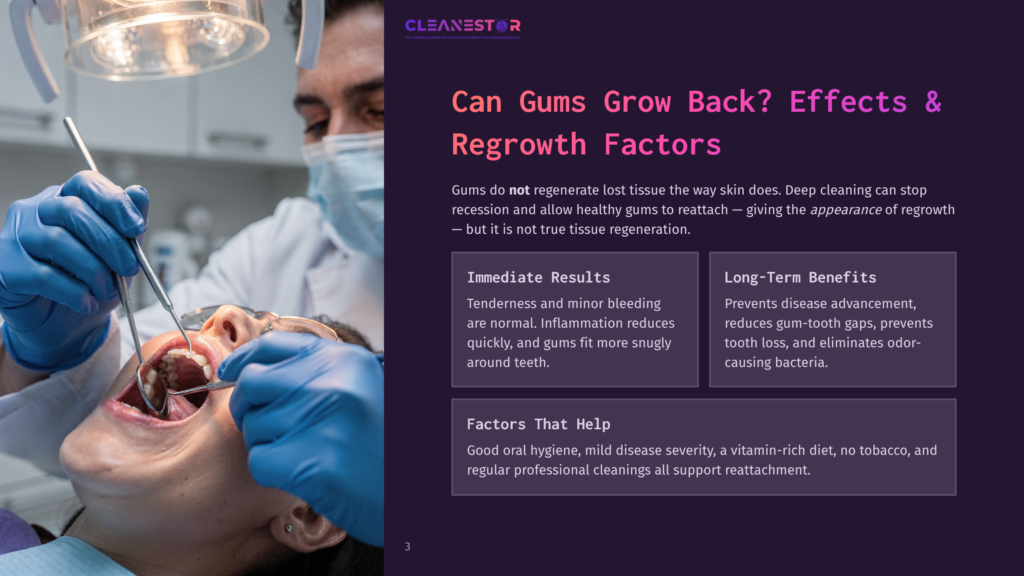
Immediate Results
After deep cleaning, gums may feel tender. Some may experience slight bleeding. This is normal and temporary. The procedure reduces inflammation. It also helps the gums fit snugly around the teeth again. Some patients notice their gums look healthier right away. Swelling decreases, and gum color often improves.
Long-term Benefits
Deep cleaning offers many long-term benefits. It helps prevent gum disease from advancing. Healthy gums can reattach to the teeth better. Over time, this reduces the gaps between teeth and gums. Regular deep cleaning can also prevent tooth loss. Healthy gums support strong teeth. Clean gums also reduce bad breath. Bacteria that cause odors are removed. Overall, deep cleaning promotes better oral health.
Can Gums Grow Back?
Gums do not grow back naturally after deep cleaning. Deep cleaning helps remove plaque and tartar, promoting healthier gums. Proper care can prevent further gum recession.
Many people wonder if gums can grow back after deep cleaning. Gum disease can cause gums to recede, leading to discomfort. Deep cleaning helps remove plaque and tartar, but can it help gums to regrow? Let’s explore the possibility of gum regrowth and the factors that influence it.
Possibility Of Regrowth
Gums do not regrow in the way skin does. Once gum tissue is lost, it does not regenerate naturally. Deep cleaning can help stop the progression of gum disease. It can prevent further gum recession. Healthy gums can reattach to teeth after deep cleaning. This process can give the appearance of regrowth. Yet, it is not actual tissue regeneration.
Factors Influencing Regrowth
Several factors influence the reattachment of gums. One key factor is oral hygiene. Good oral hygiene habits can support gum health. Regular brushing and flossing are crucial. Another factor is the severity of gum disease. Mild cases have a better chance of gum reattachment. Severe cases may require more intensive treatments.
Diet also plays a role. A balanced diet rich in vitamins and minerals can support gum health. Avoiding tobacco and reducing sugar intake can help. Lastly, regular dental check-ups are important. Professional cleanings can prevent plaque buildup. They can keep gums healthy over time.
Promoting Gum Health Post-cleaning
Maintaining gum health after a deep cleaning is crucial. This practice ensures long-lasting results and prevents future dental issues. By following essential steps, you can keep your gums in great shape. Let’s explore some key practices.
Proper Oral Hygiene
Good oral hygiene is vital. Brush your teeth twice daily. Use a soft-bristle toothbrush to avoid damaging your gums. Floss every day. Flossing removes plaque between teeth where a brush can’t reach.
Consider using an antimicrobial mouthwash. This helps reduce bacteria in the mouth. Remember, a clean mouth promotes healthier gums. Stay consistent with your routine for the best results.
Regular Dental Check-ups
Visiting your dentist regularly is important. Schedule check-ups every six months. These visits help detect any issues early. Your dentist can also clean areas you might miss.
Regular check-ups ensure your gums stay healthy. They allow for professional advice tailored to your needs. Don’t skip these appointments. They are crucial for maintaining gum health post-cleaning.
Foods That Support Gum Health
Maintaining healthy gums is crucial for overall dental health. After a deep cleaning, certain foods can help support gum recovery. Eating the right foods can provide essential nutrients that promote healing and strengthen your gums.
Nutrient-rich Foods
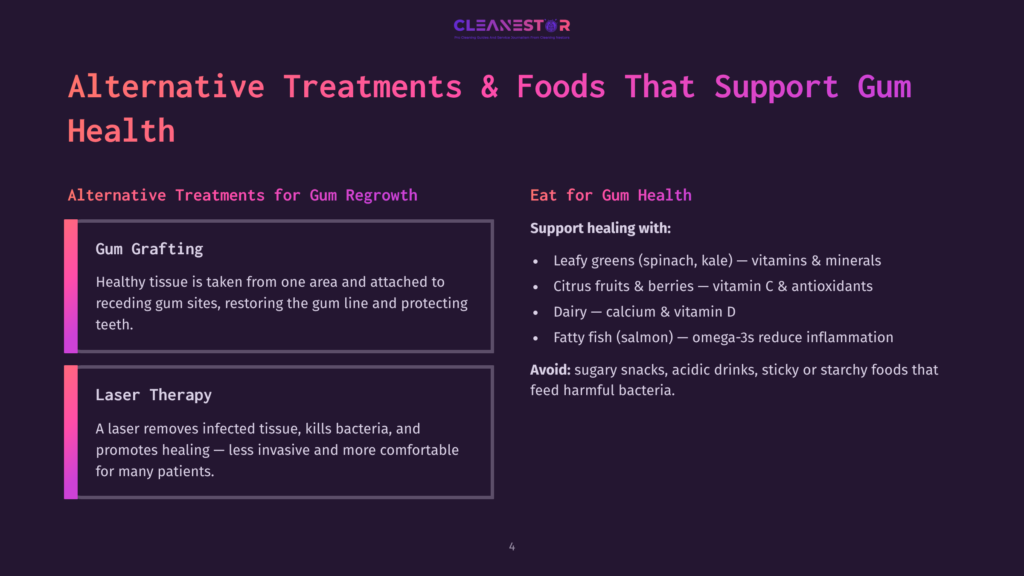
Several foods are excellent for gum health. Leafy greens like spinach and kale are packed with vitamins and minerals. These nutrients help reduce inflammation and support tissue repair.
Citrus fruits such as oranges and lemons are rich in vitamin C. This vitamin is essential for collagen production, which keeps gums strong. Berries are also a great source of antioxidants. These help fight bacteria and keep your mouth healthy.
Dairy products like milk, cheese, and yogurt provide calcium and vitamin D. These nutrients are vital for healthy teeth and gums. They also help neutralize acids in the mouth, reducing the risk of gum disease.
Nuts and seeds, particularly almonds and chia seeds, offer healthy fats and minerals. These support overall gum health. Omega-3 fatty acids found in fatty fish like salmon and mackerel reduce inflammation and improve gum health.
Foods To Avoid
Some foods can harm your gums. Sugary snacks and drinks promote bacterial growth and plaque buildup. This leads to gum disease and tooth decay.
Acidic foods and drinks like soda, citrus juices, and tomatoes can erode enamel. They also irritate gums, making them more susceptible to infection.
Sticky foods such as caramel and dried fruits can stick to your teeth. These are difficult to remove and can cause plaque buildup. Starchy foods like chips and white bread break down into sugars, feeding harmful bacteria in your mouth.
Limiting these foods can help maintain healthy gums after deep cleaning. Focus on eating nutrient-rich foods for optimal gum health.
Alternative Treatments For Gum Regrowth
After deep cleaning, many wonder if there are ways to promote gum regrowth. While gums do not naturally regenerate, alternative treatments can help in some cases. Below, we explore a few options.
Gum Grafting
Gum grafting is a common procedure to treat receding gums. Surgeons take healthy gum tissue from one part of the mouth. They then attach it to the area with receding gums. This procedure helps restore the gum line and protect teeth. It also improves the appearance of your smile.
Laser Therapy
Laser therapy is a newer method for promoting gum health. It involves using a laser to remove infected tissue. This allows healthy tissue to thrive. The laser also helps kill bacteria and promotes healing. Many patients find this option less invasive and more comfortable.
| Alternative Treatment | Benefits |
|---|---|
| Gum Grafting | Restores gum line, protects teeth, improves smile |
| Laser Therapy | Less invasive, kills bacteria, promotes healing |
Both gum grafting and laser therapy provide options for managing gum health after deep cleaning. Consult with your dentist to determine the best treatment for you.
Preventing Gum Disease
Gums do not grow back after deep cleaning. This procedure removes plaque and tartar, helping to prevent further gum disease. Healthy habits like brushing, flossing, and regular dental check-ups are essential.
Preventing gum disease is crucial for maintaining oral health. Healthy gums support your teeth and help keep your smile beautiful. Deep cleaning helps to control gum disease, but daily habits also play a significant role. Implementing good oral care and lifestyle changes can prevent gum disease.
Daily Dental Care Tips
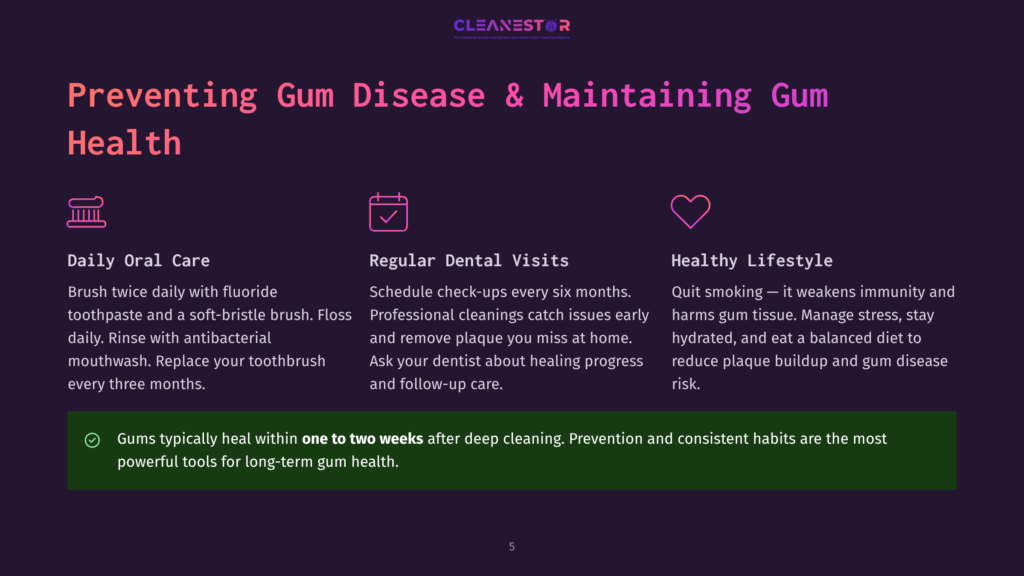
Brush your teeth twice a day with fluoride toothpaste. This helps remove plaque and bacteria. Use a soft-bristled toothbrush to avoid damaging your gums. Replace your toothbrush every three months. Floss daily to clean between your teeth where your brush can’t reach. Rinse with an antibacterial mouthwash to reduce plaque and prevent gum disease. Regular dental check-ups are essential. Visit your dentist every six months for professional cleanings and exams.
Lifestyle Changes
A balanced diet supports healthy gums. Eat fruits, vegetables, and whole grains. Avoid sugary snacks and drinks. They promote plaque build-up and gum disease. Quit smoking. Smoking weakens your immune system and harms gum tissue. Manage stress through exercise or hobbies. Stress can affect your oral health and increase the risk of gum disease. Stay hydrated by drinking plenty of water. Water helps wash away food particles and bacteria.
Consulting With Your Dentist
Deep cleaning can help with gum disease, but gums do not grow back naturally. Consulting your dentist is essential for proper care.
Regular dental visits are vital for gum health. After deep cleaning, your dentist’s guidance becomes even more crucial. They can provide expert advice on how to care for your gums. Consulting with your dentist ensures your gums heal properly.
When To Seek Professional Help
Notice your gums bleeding often? Book an appointment. Persistent bad breath can signal gum issues. If your gums remain swollen, it’s time to see your dentist. Don’t ignore pain or discomfort. Your dentist can address these concerns early.
Questions To Ask Your Dentist
Wondering how to care for your gums after cleaning? Ask your dentist. Need tips on brushing and flossing? Your dentist can help. Curious about the healing process? Your dentist will explain. Don’t hesitate to ask about follow-up visits. Knowing what to expect eases worries.
Frequently Asked Questions
Can Gums Regenerate After Deep Cleaning?
Gums can heal after deep cleaning, but they don’t regenerate lost tissue. Proper care helps maintain gum health.
How Long For Gums To Heal After Cleaning?
Gums typically heal within one to two weeks after a deep cleaning. Follow your dentist’s advice for faster recovery.
What Helps Gums Heal After Deep Cleaning?
Proper oral hygiene, a healthy diet, and avoiding tobacco can help gums heal after deep cleaning. Follow your dentist’s recommendations.
Is It Normal For Gums To Bleed After Cleaning?
Some bleeding after deep cleaning is normal. It should subside within a few days. Consult your dentist if it persists.
Conclusion
Gum health matters. After deep cleaning, gums may not fully regrow. But, proper care helps them heal. Brush and floss daily. Visit your dentist regularly. Use gentle mouthwash. Stop smoking. Eat a balanced diet. Healthy habits can improve gum health.
Prevention is key. Maintain your oral hygiene. Your gums will thank you.
As an Amazon Associate, Cleanestor earns from qualifying purchases at no additional cost to you.