
Is dry cleaning better than washing? Both methods have their benefits and drawbacks.
Understanding the differences can help you make the best choice for your clothes. Dry cleaning and washing are two common ways to clean clothes. Each method has its own strengths and is suited to different types of fabrics. Washing is a traditional method that uses water and detergent.
Dry cleaning, on the other hand, uses a chemical solvent to clean clothes without water. Knowing when to use each method can extend the life of your garments and keep them looking their best. In this post, we will explore the pros and cons of dry cleaning and washing. This will help you decide which method is better for your needs.
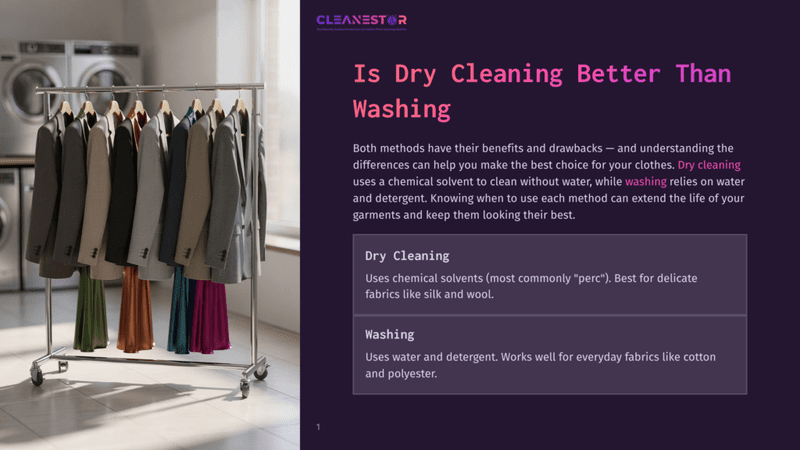

Introduction To Cleaning Methods
Cleaning clothes is an essential task for everyone. Understanding the best methods can save time and money. There are two main cleaning methods: dry cleaning and washing. Each method has its own benefits and drawbacks. Let’s dive into the differences and common misconceptions.
Difference Between Dry Cleaning And Washing
Dry cleaning uses a chemical solvent to clean clothes. No water is involved. The most common solvent used is perchloroethylene, or “perc.” This method is great for delicate fabrics, such as silk and wool.
Washing involves using water and detergent to clean clothes. This method works well for everyday fabrics like cotton and polyester. Washing machines can handle large loads and remove many types of stains.
Here’s a quick comparison:
| Method | Best For | Process |
|---|---|---|
| Dry Cleaning | Delicate fabrics | Uses chemical solvent |
| Washing | Everyday fabrics | Uses water and detergent |
Common Misconceptions
Many believe dry cleaning shrinks clothes. This is false. Shrinkage usually occurs with improper washing or drying techniques.
Another misconception is that washing is always cheaper. While washing at home can be cheaper, professional washing services can be costly. Dry cleaning costs depend on the fabric and garment type.
Some think dry cleaning is only for suits and dresses. Dry cleaning is suitable for many types of clothing, including sweaters, coats, and even some household items like curtains.
Lastly, many people think dry cleaning is harsh on clothes. In reality, dry cleaning can be gentler on delicate fabrics compared to washing.
How Dry Cleaning Works
Dry cleaning might seem mysterious. It cleans clothes without water. Instead, it uses special liquids. This method is great for delicate fabrics. Here’s a breakdown of how dry cleaning works.
Solvents Used
Dry cleaning uses solvents. These are liquids that dissolve dirt. The most common solvent is perchloroethylene. It’s also called “perc.” Other solvents include hydrocarbon, silicone-based, and liquid CO2. Each has its own benefits. Some are more eco-friendly. Others are gentler on fabrics.
Dry Cleaning Process
The dry cleaning process starts with tagging the clothes. This ensures each item is tracked. Next, the clothes are inspected. Stains are treated with special solutions. Then, the clothes go into a machine. The machine looks like a large washing machine.
During the cycle, the machine fills with solvent. It cleans the clothes gently. After cleaning, the solvent is drained. The clothes are rinsed with fresh solvent. This removes any remaining dirt. Finally, the clothes are dried. The machine uses warm air to evaporate any leftover solvent.
Once dry, the clothes are pressed and finished. This makes them look crisp and fresh. The dry cleaning process is thorough. It ensures clothes are clean and well-maintained.
How Washing Works
How does washing work? This question often arises when comparing washing and dry cleaning. Washing is a process that uses water and detergent to clean clothes. It involves mechanical action, temperature, and chemical processes.
Detergents And Water
Detergents are essential in the washing process. They break down dirt and grease on fabrics. Water helps dissolve the detergent and carry it through the clothes. Warm water can improve the cleaning power of detergents. Cold water is gentler on fabrics and saves energy.
Washing Machine Types
There are various types of washing machines. Top-loading machines are common in many households. They are easy to use and often less expensive. Front-loading machines are more efficient. They use less water and detergent. They also tend to be gentler on clothes.
Some machines come with special features. These include steam cleaning, sanitizing cycles, and load-sensing technology. These features can enhance the washing experience. They ensure that clothes are clean and well cared for.
Advantages Of Dry Cleaning
Dry cleaning offers several benefits that make it an appealing choice over traditional washing. Understanding these advantages can help you make an informed decision about caring for your clothes.
Gentle On Fabrics
Dry cleaning is gentler on fabrics than washing. It uses a special solvent instead of water. This solvent is less abrasive. Your clothes experience less wear and tear.
Some fabrics, like silk and wool, can shrink or lose shape in water. Dry cleaning prevents this. It maintains the fabric’s original shape and texture.
Effective Stain Removal
Dry cleaning is excellent at removing tough stains. Water-based washing can struggle with oil and grease stains. Dry cleaning solvents dissolve these stains effectively.
This method also removes stubborn stains from wine, ink, and cosmetics. Your clothes come back looking clean and fresh.
Advantages Of Washing
Washing clothes is often cheaper and more convenient than dry cleaning. It also allows for regular maintenance of most fabrics.
Washing clothes at home offers many benefits. It’s cost-effective and convenient. Let’s explore these advantages in detail.
Cost-effectiveness
Washing clothes at home is cheaper. You only need water, detergent, and electricity. No need to pay extra for professional services. Over time, these savings add up. You can spend that money on other needs.
Convenience
Washing at home is convenient. You can do it anytime. No need to drop off or pick up clothes. You control the washing process. Choose the detergent and settings that suit your needs. No waiting for someone else to do it. It’s all in your hands.

Credit: www.absolutecleaning.com.sg
Environmental Impact
Understanding the environmental impact of dry cleaning versus washing is important. Each method has distinct effects on our planet. Let’s explore the differences by examining the chemicals used in dry cleaning and the water usage in washing.
Dry Cleaning Chemicals
Dry cleaning uses chemicals to clean clothes. The most common chemical is perchloroethylene, known as “perc.” Perc is a solvent that can harm the environment. It can also affect human health. Some dry cleaners use eco-friendly solvents. These are less harmful but still impact the environment.
Water Usage In Washing
Washing clothes at home uses a lot of water. A single load can use up to 40 gallons. Modern washers are more efficient. They use less water per load. Using cold water can save energy. However, washing still consumes natural resources. Reducing the number of loads can help conserve water.
Suitability For Different Fabrics
Understanding the suitability of dry cleaning and washing for different fabrics is essential. Both methods have their own advantages and limitations. Choosing the right method ensures your clothes last longer and look better. Let’s explore which fabrics benefit from dry cleaning and which are better suited for washing.
Delicate Fabrics
Delicate fabrics like silk and wool require special care. These materials often lose their shape or texture with regular washing. Dry cleaning uses non-water-based solvents. This method is gentle on delicate fibers. It helps maintain the integrity and appearance of the fabric. Clothes with intricate designs or embellishments also benefit from dry cleaning.
Everyday Clothing
Everyday clothing like cotton and polyester can usually be washed at home. These fabrics are durable and can withstand the agitation of a washing machine. Regular washing removes everyday dirt and stains effectively. For these types of fabrics, washing is convenient and cost-effective. It also keeps your wardrobe fresh and ready for daily use.
Making The Right Choice
Choosing between dry cleaning and washing depends on fabric type and garment care. Delicate fabrics benefit from dry cleaning. Everyday clothes often fare well with regular washing.
Choosing between dry cleaning and washing can be confusing. Each method has its own benefits. Your decision should depend on several factors. Let’s explore how to make the right choice.
Assessing Fabric Type
Certain fabrics need special care. Delicate materials like silk or wool can get damaged by regular washing. Dry cleaning uses chemicals that are gentle on these fabrics. It helps them last longer. Cotton and polyester, on the other hand, are safe for washing. Always check the care label on your clothes. It provides the best guidance.
Considering Stains And Dirt
Different stains require different treatments. Oil-based stains, for example, are tough to remove with water. Dry cleaning solvents can break down these stains easily. On the other hand, water-based stains like coffee or juice often come out in the wash. Heavy dirt and grime may also be better tackled with washing. Assess the type of stain before deciding.
Frequently Asked Questions
What Is The Difference Between Dry Cleaning And Washing?
Dry cleaning uses solvents, not water, to clean clothes. Washing uses water and detergent. Both methods remove stains and dirt.
When Should I Choose Dry Cleaning Over Washing?
Choose dry cleaning for delicate fabrics, suits, and items labeled “dry clean only. ” It preserves fabric quality and prevents damage.
Is Dry Cleaning Better For Removing Stains?
Dry cleaning is often better for oil-based stains and delicate fabrics. Washing is effective for water-based stains.
Does Dry Cleaning Extend The Life Of Clothes?
Yes, dry cleaning can extend the life of clothes by preserving fabric quality and preventing wear and tear.
Conclusion
Choosing between dry cleaning and washing depends on your needs. Dry cleaning preserves delicate fabrics and removes tough stains. Washing is cost-effective and convenient for everyday clothes. Both methods have benefits. For delicate items, dry cleaning is preferable. For regular wear, washing works well.
Evaluate your garments and choose the appropriate method. This ensures clothes remain clean and last longer.
As an Amazon Associate, Cleanestor earns from qualifying purchases at no additional cost to you.