
A master cleaning schedule is a key tool for maintaining cleanliness. But when should you review it?
Regular reviews ensure it remains effective. Keeping spaces clean is crucial for health and safety. A master cleaning schedule helps manage this task efficiently. Yet, even the best plans need updates. Over time, needs change, and new challenges arise. Without regular reviews, the schedule may become outdated.
This could lead to missed tasks or inefficient cleaning. Regularly reviewing the schedule ensures it stays relevant and effective. It also helps identify areas needing more attention. In this blog, we’ll discuss the best times to review your master cleaning schedule. This will help you maintain a clean and safe environment always.
Importance Of A Master Cleaning Schedule
A Master Cleaning Schedule (MCS) is vital for any business or facility. It ensures that every area is cleaned regularly. This keeps the environment safe and pleasant. An MCS helps staff know their cleaning tasks. It keeps cleaning consistent and organized.
Ensuring Consistency
Consistency in cleaning is crucial. An MCS helps maintain this by providing clear instructions. Each task is outlined with details such as:
- What needs to be cleaned
- Who is responsible for cleaning
- When the cleaning should be done
- How often the cleaning should occur
With an MCS, there is no confusion. Everyone knows their role. This ensures all areas are cleaned as needed. A clean environment boosts productivity and morale. It shows that the business cares about its staff and customers.
Health And Safety Benefits
Health and safety are top priorities in any setting. Regular cleaning helps to reduce the spread of germs. This is especially important in areas like:
| Area | Importance |
|---|---|
| Restrooms | High germ concentration |
| Kitchen | Food safety |
| Workstations | Personal hygiene |
An MCS ensures these areas are cleaned thoroughly and regularly. This reduces health risks. Clean environments prevent accidents. Floors free of spills and debris lower the risk of slips and falls. Properly maintained equipment works better and lasts longer. This reduces the chance of injury from malfunctioning tools.
In summary, a Master Cleaning Schedule is not just a checklist. It is a comprehensive plan that promotes health, safety, and consistency. Reviewing and updating the MCS ensures it stays effective and relevant. This keeps the environment clean, safe, and welcoming for everyone.
Frequency Of Review
Maintaining a clean environment is crucial for any business. Regularly reviewing your master cleaning schedule ensures everything stays spotless. How often should this review happen? It depends on the tasks and their frequency.
Daily Tasks
Daily tasks keep high-traffic areas clean. These include sweeping, mopping, and emptying trash cans. Review these tasks every day. Ensure they are completed without fail. Consistent review helps maintain cleanliness.
Weekly Tasks
Weekly tasks tackle deeper cleaning needs. These include dusting vents, cleaning windows, and disinfecting restrooms. Review these tasks once a week. Ensure they are done thoroughly. Weekly reviews keep your environment fresh.
Indicators For Review
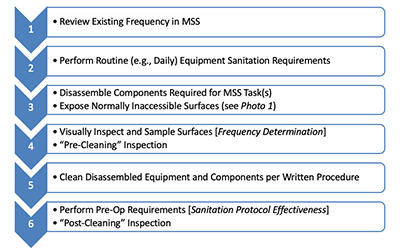
Keeping a master cleaning schedule up-to-date is vital. Regular reviews ensure the schedule remains effective and compliant. But how do you know when it’s time to review it? Here are some key indicators for review.
Changes In Regulations
Regulations change over time. New rules can impact your cleaning processes. Reviewing the master cleaning schedule ensures compliance. Staying current with regulations helps avoid fines and keeps everyone safe.
Feedback From Staff
Staff feedback is valuable. They know what works and what doesn’t. Regularly ask for their input. Use their insights to improve the cleaning schedule. This ensures the schedule meets real-world needs and boosts efficiency.
Credit: www.foodprocessing.com
Seasonal Considerations
Considering the seasons is crucial when planning a master cleaning schedule. Different seasons bring unique challenges and opportunities for cleaning. Adjusting your cleaning plan based on the time of year ensures the best results. Let’s explore some key seasonal considerations.
Winter Challenges
Winter can be tough on your cleaning schedule. During this season, dirt and mud track into buildings more frequently. Snow, rain, and slush can create messes that require extra attention. Entryways and common areas might need more frequent cleaning.
- Entryways: Clean these areas daily. Use mats to trap dirt.
- Floors: Mop floors more often to manage water and mud.
- Windows: Wipe off condensation to prevent mold growth.
Ensure heating systems are clean and operational. Dust and debris can circulate, reducing air quality.
Spring Cleaning
Spring is the ideal time for deep cleaning. It’s a season of renewal and fresh starts. Focus on areas that may have been neglected during winter.
- Windows: Clean windows to let in the fresh spring light.
- Furniture: Vacuum and clean upholstery to remove dust.
- Carpets: Deep clean carpets to remove built-up dirt.
Spring is also a good time to check for any damage caused by winter weather. Make necessary repairs to maintain a clean and safe environment.
Adapting To New Equipment
Adapting to new equipment is a crucial step in maintaining a clean and efficient workspace. As new machinery gets installed, it becomes essential to update the master cleaning schedule. This ensures that the new equipment remains in top condition and operates efficiently.
Installation Of New Machinery
When new machinery is installed, it brings new cleaning requirements. Each piece of equipment has specific parts that need cleaning. These parts may require different cleaning methods. For example, some machinery might need a detailed cleaning every day, while others might need it weekly. It’s important to note these requirements and adjust the cleaning schedule accordingly.
Updated Cleaning Protocols
With new machinery, the cleaning protocols often change. The cleaning team must learn new methods to clean the new equipment. This might include using different cleaning solutions or tools. Also, the frequency of cleaning might change. It’s crucial to document these new protocols clearly in the master cleaning schedule. This ensures that everyone follows the same procedures and the equipment stays clean and functional.
| Cleaning Task | Frequency | Responsible Person |
|---|---|---|
| Dusting External Surfaces | Daily | John Doe |
| Lubricating Moving Parts | Weekly | Jane Smith |
| Deep Cleaning | Monthly | Team A |
Addressing Incidents
Incidents can disrupt normal operations. It is crucial to review the Master Cleaning Schedule when they occur. This helps ensure safety and hygiene standards are maintained. Below, we will discuss two key incidents that require a review: Post-Accident Reviews and Contamination Events.
Post-accident Reviews
After an accident, it is vital to revisit the cleaning schedule. Accidents can lead to unforeseen messes or hazards. These need immediate attention. Here are steps to consider:
- Identify the affected areas.
- Assess the extent of the damage or mess.
- Update the cleaning schedule to include new safety protocols.
By doing this, you ensure that all areas are safe and clean. This reduces the risk of future accidents.
Contamination Events
Contamination events pose serious health risks. These can occur in various forms such as chemical spills or biological hazards. When such events happen, a thorough cleaning is required. Here’s what to do:
- Isolate the contaminated area.
- Determine the source of contamination.
- Implement specialized cleaning procedures.
- Revise the cleaning schedule to prevent recurrence.
By addressing contamination events promptly, you protect both staff and customers. This ensures a safe and healthy environment.
Incorporating Technology
Review a master cleaning schedule regularly to ensure all tasks are up-to-date. Incorporating technology can streamline this process efficiently.
In today’s digital age, technology plays a crucial role in maintaining a master cleaning schedule. Utilizing the right tools can enhance efficiency and ensure thoroughness. Let’s explore some key areas where technology can be incorporated.
Software Tools
Various software tools help in scheduling and tracking cleaning tasks. These tools offer features such as reminders, checklists, and reporting. They ensure that no task is overlooked. Users can update schedules in real-time, allowing for flexibility. These tools also provide analytics to monitor cleaning performance. This data can help in making informed decisions.
Automated Cleaning Systems
Automated cleaning systems have revolutionized the cleaning industry. These systems include robotic vacuums, floor scrubbers, and automated dispensers. They perform tasks with precision and consistency. Automated systems reduce the manual workload. They ensure cleaning tasks are completed on time. Regular maintenance of these systems is essential. It ensures their long-term efficiency and reliability.
Incorporating technology into a master cleaning schedule can significantly improve its effectiveness. By leveraging software tools and automated systems, businesses can maintain high cleanliness standards.
Staff Training And Input
A master cleaning schedule is vital for maintaining a clean environment. Effective staff training and gathering input can enhance its success. Staff involvement ensures the schedule remains practical and up-to-date.
Regular Training Sessions
Regular training sessions are essential. They help staff understand the cleaning schedule. Clear instructions improve efficiency and consistency. Frequent training ensures everyone stays on track. It helps new employees learn the process quickly.
Training sessions should be interactive. Encourage questions and discussions. This helps clear up any confusion. Staff can share their experiences. They learn from each other. Practical demonstrations reinforce learning. Regular practice makes tasks easier to remember.
Gathering Staff Feedback
Gathering staff feedback is crucial. It helps identify issues with the current schedule. Staff can suggest improvements. They can point out any obstacles. This information is valuable for refining the schedule.
Feedback sessions should be structured. Use surveys or meetings. Make sure everyone has a voice. Listen to their concerns and ideas. Implementing their suggestions shows you value their input. It boosts morale and cooperation.
Credit: www.thearmorylife.com
Frequently Asked Questions
What Is A Master Cleaning Schedule?
A master cleaning schedule is a detailed plan for cleaning tasks. It outlines what needs cleaning, how often, and by whom.
Why Review A Master Cleaning Schedule?
Reviewing ensures it stays effective and relevant. Regular reviews help identify missed tasks and adjust to changes.
How Often Should A Master Cleaning Schedule Be Reviewed?
Review it quarterly for best results. Frequent reviews ensure it remains efficient and up-to-date.
Who Should Review The Master Cleaning Schedule?
Supervisors or managers should review it. They ensure compliance and address any cleaning issues promptly.
Conclusion
Regularly reviewing a master cleaning schedule ensures efficiency and cleanliness. Check it monthly for adjustments and improvements. Keep track of completed tasks and missed ones. This helps maintain a clean and organized environment. Consistent reviews also prevent oversight of important cleaning tasks.
Engage your team in this process for better results. Regular updates lead to a healthier workspace. Always prioritize cleanliness and hygiene. This approach fosters a productive and safe environment for everyone.
As an Amazon Associate, Cleanestor earns from qualifying purchases at no additional cost to you.