
Lens cleaner is a product used to clean glasses. It ensures clear vision and removes smudges or dirt.
But what exactly is in lens cleaner? Understanding the ingredients in lens cleaner can help you choose the right product. Lens cleaners often contain a mix of water, detergents, and alcohol. These components work together to break down oils and grime.
Some might include anti-static agents to repel dust. Knowing these elements can ensure your glasses stay clean and scratch-free. In this blog post, we’ll explore the common ingredients found in lens cleaners. This will help you understand their purpose and how they contribute to effective cleaning.
Credit: www.proopticsgroup.com
Introduction To Lens Cleaners
Lens cleaners are essential for maintaining the clarity and longevity of your lenses. Whether you wear glasses, use camera lenses, or have other optical devices, keeping them clean is vital. In this section, we will explore what lens cleaners are, their purpose, and why clean lenses are important.
Purpose Of Lens Cleaners
Lens cleaners remove dirt, smudges, and fingerprints from lenses. They help maintain clear vision and optimal performance. Clean lenses prevent scratches and damage that dirt can cause. Lens cleaners are specially formulated to be gentle on delicate surfaces. They do not leave streaks or residues behind.
Importance Of Clean Lenses
Clean lenses provide clear and sharp vision. They reduce eye strain and discomfort caused by dirty lenses. Clean lenses improve the performance of optical devices. They ensure that images and details are captured accurately. Regular cleaning also prolongs the life of your lenses, saving you money on replacements.
Key Ingredients In Lens Cleaners
Lens cleaners are essential for maintaining clear and scratch-free lenses. Knowing the key ingredients helps in understanding how they work. This section will explore the main components found in most lens cleaners.
Water And Solvents
Water is a primary ingredient in most lens cleaners. It helps dissolve and remove dirt. Pure water ensures no streaks or residue remain. Solvents are also included to break down oils and grease. Isopropyl alcohol is a common solvent used. It evaporates quickly, leaving lenses clean and dry.
Surfactants And Detergents
Surfactants and detergents are crucial for cleaning action. They lower the surface tension of water. This makes it easier to spread and clean. Surfactants lift dirt and oils from the lens surface. Detergents then wash them away. Mild detergents are often used to avoid damage to delicate coatings.
Role Of Alcohol In Lens Cleaners
Alcohol plays an important role in lens cleaners. It helps remove dirt and grime from your lenses. This ensures clear vision and keeps lenses in good condition. Alcohol can be effective at disinfecting lenses as well. This is why alcohol is a key component in many lens cleaning solutions.
Types Of Alcohols Used
Different types of alcohol are used in lens cleaners. Here are the most common ones:
- Isopropyl Alcohol: This is the most common type. It is effective at cleaning and disinfecting.
- Ethyl Alcohol: This is another popular type. It is also effective at cleaning and has disinfecting properties.
- Methyl Alcohol: This is less common. It is used in some specialized cleaners.
Benefits And Drawbacks
Alcohol in lens cleaners has several benefits:
- Effective Cleaning: Alcohol is good at removing dirt, grease, and grime.
- Disinfecting: It kills germs and bacteria on lenses.
- Quick Drying: Alcohol evaporates quickly, leaving no residue.
There are also some drawbacks:
- Drying Out: Alcohol can dry out lenses if used too often.
- Potential Damage: Some lenses might be sensitive to alcohol.
- Strong Odor: Alcohol has a strong smell that some people dislike.
Understanding the role of alcohol in lens cleaners can help you choose the right product. Always read labels and follow instructions to avoid damage.

Credit: www.amazon.com
Additional Additives In Lens Cleaners
Lens cleaners contain various ingredients to ensure thorough cleaning and protection. While the primary components focus on removing dirt and smudges, additional additives enhance their effectiveness. These additives play crucial roles in maintaining the longevity of both the lenses and the cleaning solution.
Anti-static Agents
Anti-static agents are essential in lens cleaners. They prevent the build-up of static electricity on lenses. Static electricity can attract dust and particles. This can quickly dirty lenses again. Anti-static agents help keep lenses cleaner for longer.
Fragrances And Dyes
Some lens cleaners include fragrances and dyes. Fragrances make the cleaning process more pleasant. They leave a fresh scent on the lenses. Dyes help in identifying the cleaner easily. They also give a visual appeal. But, it’s important to choose dyes that do not stain lenses.
Types Of Lens Cleaners
When maintaining the clarity of your lenses, selecting the right lens cleaner is crucial. Different types of lens cleaners are available, each with unique features and benefits. This section will discuss the two primary types: Spray Cleaners and Wipe Cleaners.
Spray Cleaners
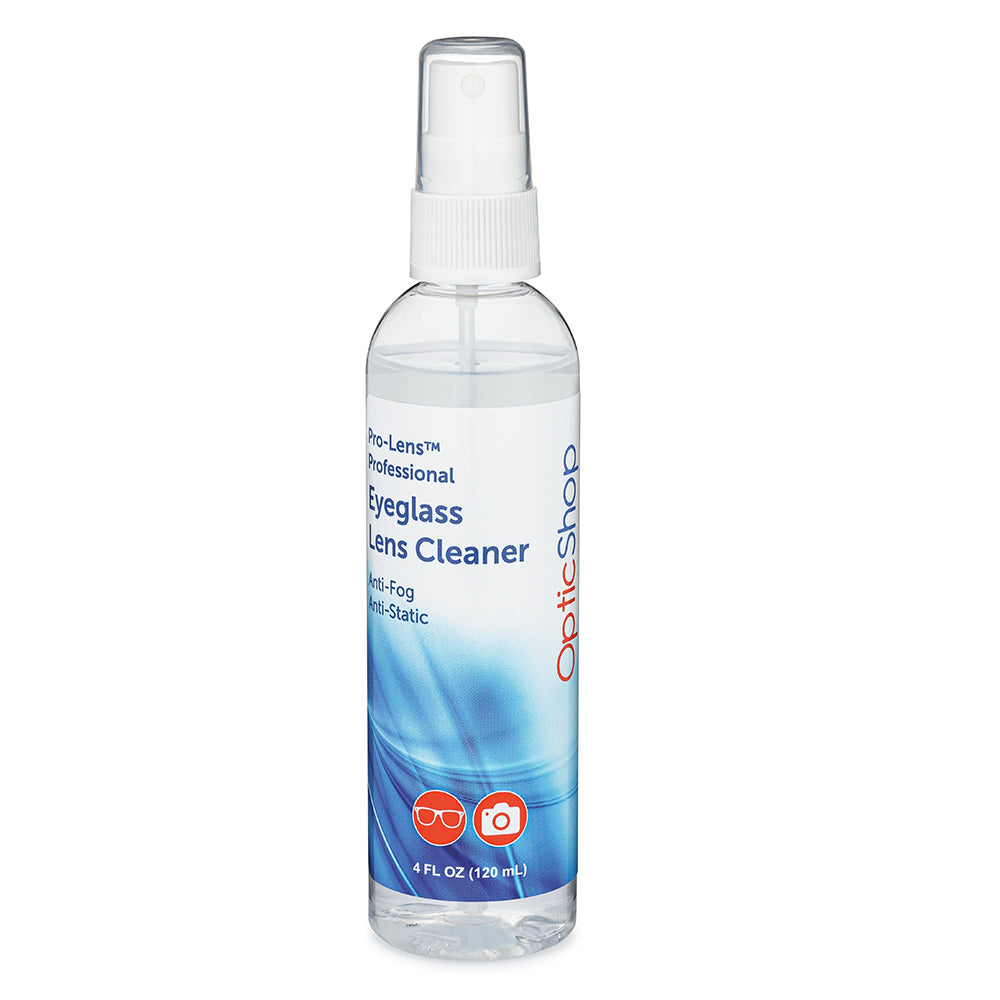
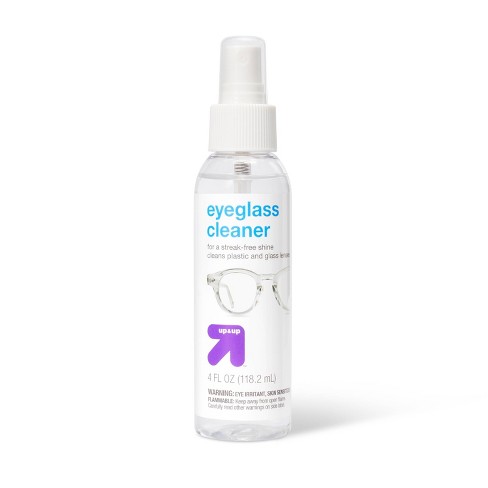
Spray Cleaners are liquid solutions that come in a convenient spray bottle. They are designed to be applied directly to the lens surface. Spray cleaners are effective for removing dirt, smudges, and fingerprints.
Using a spray cleaner is simple:
- Hold the bottle a few inches from the lens.
- Spray a small amount of the cleaner on the lens.
- Wipe the lens with a clean, soft cloth.
These cleaners are ideal for eyeglasses, camera lenses, and other optical devices. The liquid helps dissolve stubborn residues, ensuring a streak-free finish.
Wipe Cleaners
Wipe Cleaners are pre-moistened wipes designed for quick and easy cleaning. They are disposable and often come in individual packets, making them highly portable.
Benefits of wipe cleaners include:
- Convenience
- Portability
- Ease of use
Using a wipe cleaner is straightforward. Simply take a wipe from its packet and gently clean the lens surface. These wipes are effective at removing dust, oil, and grime without scratching the lens.
Wipe cleaners are perfect for people on the go. They ensure your lenses stay clean and clear wherever you are.
Credit: www.target.com
Safety Considerations
When using lens cleaner, safety should always be a top priority. Many lens cleaners contain chemicals that can cause harm if used improperly. It’s important to know how to use these products safely and understand any potential health risks involved.
Safe Usage Tips
Always read the instructions on the label before using lens cleaner. Use only a small amount of the cleaner on a soft, lint-free cloth. Avoid spraying the cleaner directly onto the lens. Keep the cleaner out of reach of children. Store the cleaner in a cool, dry place.
Potential Health Risks
Some lens cleaners contain alcohol or ammonia. These chemicals can irritate the eyes and skin. Inhaling fumes from the cleaner may cause respiratory issues. If you experience any irritation, stop using the product immediately. Seek medical advice if necessary.
Environmental Impact
Understanding the environmental impact of lens cleaners is vital. Many lens cleaners contain chemicals that can harm the environment. These chemicals can pollute water sources and harm wildlife. Choosing eco-friendly options can make a big difference.
Biodegradable Options
Biodegradable lens cleaners break down naturally over time. They do not leave harmful residues in the environment. Some common biodegradable ingredients include:
- Plant-based surfactants
- Essential oils
- Natural solvents
These ingredients are safe for both the environment and your lenses. Always check the label to ensure the cleaner is biodegradable.
Recycling And Disposal
Proper disposal of lens cleaner bottles is important. Many are made of plastic and can be recycled. Follow these steps to recycle and dispose of them correctly:
- Rinse the bottle to remove any residue.
- Check the recycling symbol on the bottle.
- Place it in the appropriate recycling bin.
Some cleaners come in reusable bottles. These can be refilled and used again, reducing waste. Always follow local guidelines for recycling and disposal.
| Type of Cleaner | Environmental Benefit |
|---|---|
| Biodegradable | Breaks down naturally, no harmful residues |
| Reusable Bottles | Reduces plastic waste |
| Plant-Based Ingredients | Non-toxic, safe for environment |
By choosing the right products, you can reduce your environmental impact. Every small change helps protect our planet.
DIY Lens Cleaner Recipes
Making your own lens cleaner at home can be easy and cost-effective. It allows you to control what goes into the solution. This ensures it is both safe for your lenses and effective at cleaning. Below, we will explore some simple DIY lens cleaner recipes and highlight certain ingredients you should avoid.
Homemade Solutions
Creating a homemade lens cleaner is simple. You need basic household items. Here are some easy recipes to try:
| Recipe | Ingredients | Instructions |
|---|---|---|
| Basic Lens Cleaner |
|
|
| Vinegar-Based Cleaner |
|
|
Ingredients To Avoid
Not all ingredients are safe for your lenses. Some can cause damage. Here are some ingredients to avoid:
- Ammonia: This can strip away lens coatings.
- Bleach: It can damage the lens material.
- Acetone: This can dissolve certain plastics.
- Household glass cleaners: These often contain harsh chemicals.
Always read labels and ensure you use ingredients safe for your lenses.
Choosing The Right Lens Cleaner
Choosing the right lens cleaner ensures your lenses remain clear and scratch-free. Not all cleaners are created equal. Understanding what to look for can make a big difference.
Factors To Consider
First, check the ingredients. Avoid cleaners with harsh chemicals. They can damage coatings on your lenses.
Next, consider the type of lens you have. Some cleaners are made specifically for glasses, while others work for camera lenses.
Think about convenience. Portable sprays and wipes are easy to carry. They are great for travel.
Last, read reviews. Other users’ experiences can help you choose the best product.
Popular Brands And Products
One well-known brand is Zeiss. Their lens cleaning wipes are popular. They are gentle and effective.
Another trusted brand is Nikon. Nikon’s lens cleaning solutions are highly rated. They are safe for all lenses.
Some users prefer Eco-Fused. Their cleaning kits come with microfiber cloths. These kits are perfect for thorough cleanings.
MagicFiber also offers quality products. Their microfiber cloths are soft and reusable. They are a favorite among many lens users.
Frequently Asked Questions
What Ingredients Are In Lens Cleaner?
Lens cleaner typically contains water, isopropyl alcohol, and surfactants. These ingredients help remove dirt, oil, and smudges.
Is Lens Cleaner Safe For All Lenses?
Yes, most lens cleaners are safe for all lenses, including glasses and camera lenses. Always check the label.
How Often Should I Use Lens Cleaner?
You can use lens cleaner daily or as needed. Regular cleaning helps maintain clear vision and lens longevity.
Can I Make Lens Cleaner At Home?
Yes, you can make a simple lens cleaner with water and isopropyl alcohol. Mix them in a 1:1 ratio.
Conclusion
Lens cleaner contains key ingredients for effective cleaning. Isopropyl alcohol removes oils and smudges. Distilled water dilutes and prevents streaks. Surfactants help break down dirt. These components ensure your lenses stay clear. Regular use can maintain lens quality. Safe for glasses, cameras, and screens.
Understanding ingredients helps make better choices. Keep your lenses clean and vision sharp. Always choose a trusted lens cleaner. Your eyes and devices will thank you.
As an Amazon Associate, Cleanestor earns from qualifying purchases at no additional cost to you.