
Deep cleaning is not typically painful. However, it can cause some discomfort.
Deep cleaning is a thorough dental procedure that targets the areas below the gum line. This process helps remove plaque and tartar buildup that regular cleanings might miss. Some people fear it might be painful, but the discomfort is usually minimal and temporary.
Dentists often use local anesthesia to numb the area, making the procedure more comfortable. Understanding what to expect can ease your concerns. This blog will explore whether deep cleaning is painful, what the process involves, and how to manage any discomfort. Stay with us to learn more about this important dental procedure and ensure your oral health is in top shape.

Credit: dorseyfamilydentalmd.com
What Is Deep Cleaning
Deep cleaning targets hard-to-reach areas and stubborn grime. It may cause discomfort, but it’s usually not painful.
Deep cleaning is a dental procedure aimed at cleaning between the gums and teeth. It targets areas below the gum line, which regular cleaning can’t reach. This process helps in removing plaque, tartar, and bacteria buildup, preventing gum disease.
Procedure Overview
The dentist starts by numbing the gums to ensure comfort. They then use special tools to clean below the gum line. This involves scaling and root planing. Scaling removes plaque and tartar from the tooth surfaces. Root planing smooths the roots to help gums reattach.
Purpose And Benefits
Deep cleaning helps prevent gum disease and its complications. It reduces inflammation and bleeding of the gums. The procedure also improves oral health and prevents tooth loss. Regular deep cleaning can maintain a healthy smile and fresher breath. It’s essential for overall dental hygiene.
Signs You Need Deep Cleaning
Deep cleaning is crucial for oral health. But how do you know if you need it? Let’s explore the signs that indicate it’s time for a deep clean.
Gum Disease Symptoms
Gum disease can be silent. Many don’t realize they have it. Common symptoms include:
- Red, swollen gums
- Bleeding when brushing or flossing
- Persistent bad breath
If you notice these symptoms, deep cleaning might be necessary. It helps remove bacteria causing these issues.
Plaque And Tartar Buildup
Plaque is a sticky film on your teeth. If not removed, it hardens into tartar. Signs of plaque and tartar buildup include:
- Yellow or brown stains on teeth
- Hard deposits at the gum line
- Rough areas on teeth
Deep cleaning effectively removes plaque and tartar. This helps in maintaining a healthy mouth.
Regular dental check-ups are essential. They help in identifying the need for deep cleaning early. If you experience any of the above signs, consult your dentist.
Pain During Deep Cleaning
Deep cleaning is a dental procedure. It targets plaque and tartar below the gumline. Many people worry about pain during deep cleaning. This concern is common among patients. Understanding pain management options can ease these worries.
Anesthesia Options
During deep cleaning, dentists use anesthesia to minimize pain. Local anesthesia numbs the specific area being treated. It ensures patients feel comfortable. Sometimes, dentists apply a numbing gel before the injection. This further reduces discomfort.
For those with dental anxiety, sedation options are available. Nitrous oxide, or laughing gas, helps patients relax. It is safe and effective. Oral sedatives offer another option. They are taken before the appointment. These methods ensure a pain-free experience.
Patient Experiences
Patient experiences with deep cleaning vary. Many report minimal discomfort. Some feel slight pressure or vibrations. This is due to the dental instruments. Others experience no pain at all. The use of anesthesia plays a key role in this.
Post-procedure, some patients might have mild soreness. This usually subsides in a day or two. Over-the-counter pain relief can help. Dentists often recommend saltwater rinses. This soothes the gums and promotes healing.
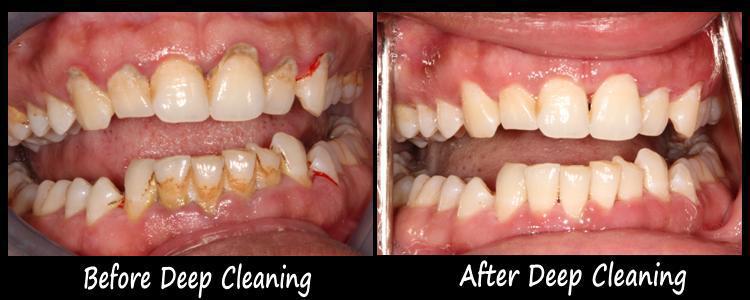
Credit: www.sterlingridgedentistry.com
Post-procedure Discomfort
After a deep cleaning, some discomfort is normal. The procedure removes plaque and tartar from below the gum line. This can cause some temporary pain and swelling. It’s essential to understand what to expect.
Common Side Effects
You might experience sore gums. This soreness usually lasts a few days. Your teeth may also feel sensitive. This sensitivity is often due to exposed roots. Bleeding gums can occur as well. This bleeding should stop after a few hours.
Managing Pain And Swelling
Over-the-counter pain relief can help. Ibuprofen or acetaminophen are good options. Cold compresses reduce swelling. Apply them for 15 minutes at a time. Rinse with warm salt water. This soothes the gums and reduces discomfort. Soft foods are easier to eat. Avoid spicy or acidic foods. These can irritate your gums.
Long-term Benefits
Deep cleaning is often associated with discomfort, but the long-term benefits far outweigh the temporary pain. Regular deep cleaning can significantly improve your oral health, leading to a healthier, happier smile.
Gum Health Improvement
Deep cleaning helps remove plaque and tartar buildup from below the gum line. This process reduces inflammation and swelling. Your gums become healthier and less prone to bleeding. With cleaner gums, the risk of gum disease decreases. Healthier gums mean a more comfortable mouth overall.
Prevention Of Tooth Loss
Deep cleaning plays a crucial role in preventing tooth loss. Plaque and tartar buildup can lead to serious gum diseases. These diseases can cause tooth loss if left untreated. By maintaining regular deep cleanings, you help keep your teeth firmly in place. Say goodbye to the worry of losing teeth due to poor gum health.
| Benefit | Explanation |
|---|---|
| Gum Health Improvement | Removes plaque and tartar, reduces inflammation and swelling, lowers gum disease risk. |
| Prevention of Tooth Loss | Prevents severe gum diseases that can lead to tooth loss. |
- Healthier gums lead to a healthier mouth.
- Prevents serious gum diseases.
- Less risk of tooth loss.
Regular deep cleaning may cause some discomfort, but the long-term benefits are undeniable. Healthier gums and a lower risk of tooth loss make it worth it.
Preparing For Deep Cleaning
Preparing for deep cleaning can make the process smoother and less stressful. Knowing what steps to take before your appointment can ease any anxiety. This section will guide you through pre-appointment tips and what to expect during the deep cleaning procedure.
Pre-appointment Tips
Before your deep cleaning appointment, ensure you have a good night’s sleep. Being well-rested helps your body handle any discomfort better. Avoid eating heavy meals before your appointment. Light snacks are preferable.
Brush and floss your teeth thoroughly. This helps in initial cleaning. Inform your dentist about any allergies or medications you are taking. It’s important they know your medical history. Wear comfortable clothing to your appointment.
What To Expect
During deep cleaning, your dentist will numb your gums. This helps reduce any pain. The dentist will use special tools to remove plaque and tartar. You might feel some pressure, but it should not be painful.
The process involves cleaning below the gum line. This might cause some bleeding, which is normal. Your dentist may use an ultrasonic device that vibrates to break up plaque. You might hear some noise from the device. Relax and breathe normally.
After the deep cleaning, your gums may feel sore. This usually lasts a few days. Your dentist will give you care instructions to follow at home. Follow them carefully to ensure a smooth recovery.
Aftercare Tips
After a deep cleaning, taking care of your teeth is crucial. Proper aftercare helps maintain the results and keeps your mouth healthy. Here are some essential tips to follow after your deep cleaning procedure.
Oral Hygiene Practices
Maintain good oral hygiene to prevent any issues. Brush your teeth twice a day using a soft-bristled toothbrush. Use fluoride toothpaste to strengthen your teeth. Floss daily to remove food particles and plaque between teeth. Rinse with an antiseptic mouthwash to reduce bacteria in the mouth. Avoid hard, sticky, or crunchy foods that can irritate your gums.
Follow-up Visits
Schedule follow-up visits with your dentist. Regular check-ups are important to monitor your progress. Your dentist will ensure your gums are healing well. They can also clean any remaining plaque or tartar. Follow their recommendations for future cleanings. This helps maintain your oral health and prevents future problems.
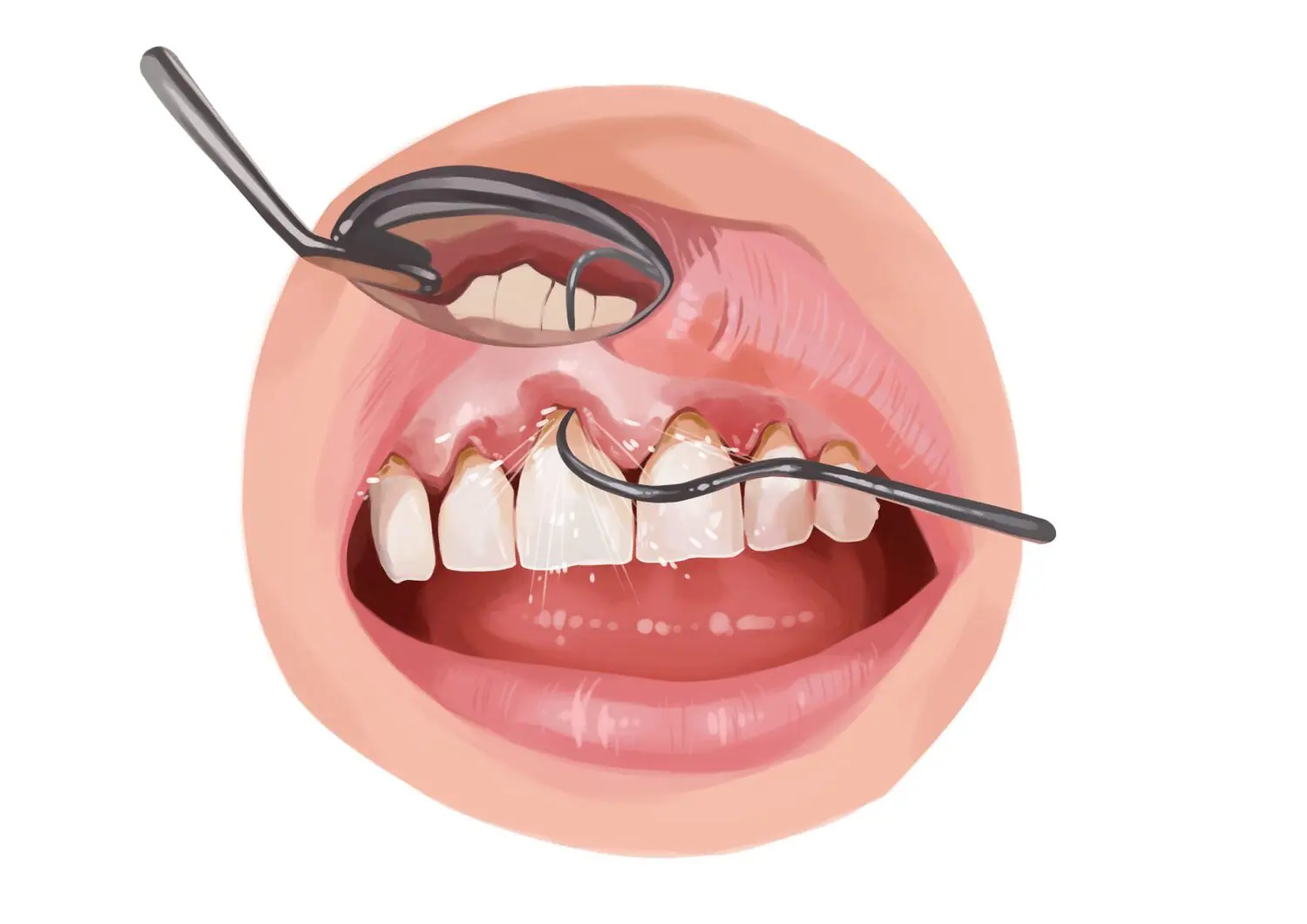
Credit: www.carolinasdentist.com
Comparing Deep Cleaning To Regular Cleaning
Many people wonder if deep cleaning is more painful than regular cleaning. To understand this, it’s important to compare the two procedures. Both have different methods, purposes, and outcomes. Knowing these differences can help you make informed decisions about your dental health.
Procedure Differences
Regular cleaning focuses on the surface of the teeth. Dentists remove plaque and tartar above the gum line. This process is usually quick and painless. Deep cleaning, on the other hand, goes deeper. It involves cleaning below the gum line. Dentists use special tools to remove plaque and tartar from the roots of the teeth. This can sometimes cause discomfort.
Effectiveness And Necessity
Regular cleaning is effective for maintaining oral health. It helps prevent cavities and gum disease. It is necessary for everyone, usually done twice a year. Deep cleaning is more intensive. It is necessary for people with gum disease. It helps prevent the disease from getting worse. Deep cleaning can also save teeth that might otherwise need to be extracted. Although it may cause some discomfort, the benefits are significant.
Frequently Asked Questions
What Is Deep Cleaning?
Deep cleaning is a dental procedure. It removes plaque and tartar from teeth and gums. It’s more thorough than regular cleaning.
Is Deep Cleaning Painful?
Deep cleaning can cause discomfort. Dentists use local anesthesia to minimize pain. Most patients experience mild soreness afterward.
How Long Does Deep Cleaning Take?
Deep cleaning usually takes 1-2 hours per session. The duration depends on the severity of gum disease. Multiple sessions may be needed.
What To Expect After Deep Cleaning?
Expect mild soreness and sensitivity. Some bleeding might occur. Follow post-care instructions from your dentist for quick recovery.
Conclusion
Deep cleaning might sound scary, but it’s usually not painful. Dentists use numbing gel to reduce discomfort. After the cleaning, teeth may feel sensitive. This sensitivity fades within days. Regular dental visits make future cleanings easier. Good oral hygiene at home helps too.
So, don’t fear deep cleaning. It’s essential for healthy gums and teeth. Always talk to your dentist about any concerns. They are there to help. Keep smiling and maintain your dental health!
As an Amazon Associate, Cleanestor earns from qualifying purchases at no additional cost to you.