
An ultrasonic cleaner uses high-frequency sound waves to clean items. This method is effective for removing dirt and grime from delicate objects.
Ultrasonic cleaners are becoming popular for both personal and professional use. They offer a gentle yet thorough cleaning method. From jewelry to eyeglasses, these devices can clean various items. Understanding how to use an ultrasonic cleaner can enhance its effectiveness.
This guide will walk you through the steps. You’ll learn the basics, from setting up the machine to selecting cleaning solutions. By the end, you’ll know how to get the best results. Whether you are a beginner or looking to improve your technique, this introduction will help you start with confidence.
Introduction To Ultrasonic Cleaners
Ultrasonic cleaners are becoming essential for both professionals and hobbyists. They offer a fast and efficient way to clean items that require precision. In this section, we will explore what ultrasonic cleaners are and their benefits.
What Is An Ultrasonic Cleaner?
An ultrasonic cleaner uses high-frequency sound waves to clean objects. It has a tank filled with a cleaning solution. When you turn it on, sound waves create tiny bubbles in the liquid. These bubbles gently remove dirt and grime from surfaces. It is especially useful for delicate items that need a thorough clean.
Benefits Of Ultrasonic Cleaning
Ultrasonic cleaning offers many advantages over traditional cleaning methods. First, it is very effective. It can reach tiny crevices and hidden areas. This ensures a deep clean. Second, it is gentle. The process does not damage delicate items. Third, it is quick. You can clean items in a matter of minutes. Finally, it is easy to use. Just place your items in the tank, add the solution, and turn it on.
Choosing The Right Ultrasonic Cleaner
Selecting the correct ultrasonic cleaner is essential for achieving optimal cleaning results. Understanding the various types and factors involved in making the right choice can help ensure your items are cleaned effectively and efficiently.
Types Of Ultrasonic Cleaners
There are several types of ultrasonic cleaners available. Each type serves a specific purpose and varies in features.
- Benchtop Ultrasonic Cleaners: Ideal for small items and home use. These are compact and easy to operate.
- Industrial Ultrasonic Cleaners: Suitable for large-scale cleaning tasks. These are more robust and have greater capacity.
- Portable Ultrasonic Cleaners: Perfect for on-the-go cleaning needs. Lightweight and easy to carry.
Factors To Consider
When choosing an ultrasonic cleaner, consider the following factors to ensure it meets your needs:
| Factor | Description |
|---|---|
| Tank Size | Ensure the tank is large enough for your items. |
| Frequency | Lower frequencies clean larger particles; higher frequencies clean finer particles. |
| Power | Higher power provides more effective cleaning but may consume more energy. |
| Timer Settings | Allows you to set precise cleaning times for different items. |
| Heating Function | Heated cleaners enhance the cleaning process, especially for greasy items. |
By carefully considering these factors, you can select the right ultrasonic cleaner for your specific needs.
Setting Up The Ultrasonic Cleaner
Setting up your ultrasonic cleaner is a simple but important process. Proper setup ensures that your machine works efficiently. Follow these steps for a smooth setup.
Unpacking And Inspection
First, unpack your ultrasonic cleaner carefully. Check for any visible damage. Ensure all parts are present. You should have the main unit, the tank, and the lid. Also, look for the power cord and any accessories. These might include baskets or trays.
Filling The Tank
Next, fill the tank with cleaning solution. Use a mixture of water and ultrasonic cleaning solution. Do not overfill the tank. Leave some space at the top. This allows the solution to move freely. Check the user manual for the correct ratio of water to cleaning solution.
Once the tank is filled, connect the power cord. Plug it into a suitable outlet. Turn on the machine to begin the cleaning process. The ultrasonic waves will do the rest.

Credit: www.youtube.com
Selecting Cleaning Solutions
Choosing the right cleaning solution is crucial for the efficiency of your ultrasonic cleaner. The type of solution you use can significantly impact the cleaning results. In this section, we will explore different types of cleaning solutions and how to prepare them for optimal use.
Types Of Cleaning Solutions
There are various cleaning solutions available for ultrasonic cleaners. Each type caters to specific cleaning needs. Here are some common ones:
General Purpose Solutions: These are versatile and suitable for most cleaning tasks. They work well for removing light dirt and grease.
Alkaline Solutions: These are great for cleaning metals, plastics, and ceramics. They are effective in removing oils, grease, and other organic materials.
Acidic Solutions: These are used for removing rust, scale, and other inorganic contaminants. They are ideal for cleaning metals like brass and copper.
Enzymatic Solutions: These are perfect for cleaning medical instruments and delicate items. They break down proteins and other biological materials.
Choose the solution that best fits your cleaning requirements. Always read the manufacturer’s guidelines to ensure compatibility with your ultrasonic cleaner.
Preparing The Solution
Proper preparation of the cleaning solution is essential for effective cleaning. Follow these steps to prepare your solution:
Read the Instructions: Always follow the instructions provided by the solution manufacturer. This ensures correct dilution and usage.
Measure the Solution: Use a measuring cup to measure the recommended amount of solution. This ensures accuracy and consistency.
Mix with Water: Fill your ultrasonic cleaner tank with water. Add the measured cleaning solution to the water. Stir gently to mix them well.
Check the Temperature: Some solutions work best at specific temperatures. Use a thermometer to check and adjust the water temperature if necessary.
By following these steps, you ensure that your cleaning solution is prepared correctly. This enhances the cleaning effectiveness of your ultrasonic cleaner.
Preparing Items For Cleaning
Preparing items for cleaning is a crucial step when using an ultrasonic cleaner. Proper preparation ensures that your items get cleaned effectively and efficiently. This section will guide you through the pre-cleaning steps and how to arrange items in the cleaner.
Pre-cleaning Steps
Before placing items in the ultrasonic cleaner, remove any visible dirt. Use a soft brush or cloth to wipe away loose debris. For heavily soiled items, soak them in warm, soapy water. This loosens grime and makes the ultrasonic cleaning more effective.
Inspect items for any delicate parts. Fragile components might need special care. Check for any loose parts that could get lost during cleaning. Secure them or clean them separately.
Arranging Items In The Cleaner
Arrange items in the cleaner without overcrowding. Overlapping items can block the ultrasonic waves. Place items in the basket provided with your cleaner. Ensure each item is fully submerged in the cleaning solution.
Do not place items directly on the bottom of the tank. This can reduce the effectiveness of the ultrasonic waves. Use the basket or a cleaning rack. This ensures even distribution of the ultrasonic waves.
Make sure the solution covers all parts of the items. This ensures thorough cleaning. If needed, adjust the position of the items during cleaning. This helps reach all surfaces evenly.
Operating The Ultrasonic Cleaner
Operating the ultrasonic cleaner is simple and efficient. This guide covers the essential steps to get the best results. Follow these steps carefully to ensure optimal cleaning.
Setting Cleaning Parameters
First, determine the cleaning solution to use. Choose a solution suitable for the items you are cleaning. Fill the ultrasonic cleaner tank with the solution. Ensure it covers the items completely. Avoid overfilling the tank.
Next, set the temperature on the cleaner. Most items clean well at 40-60 degrees Celsius. Adjust the temperature according to the specific needs of your items. Check the user manual for recommendations.
Then, set the timer on the ultrasonic cleaner. Most cleaning cycles last between 3 to 20 minutes. Delicate items may require shorter times. Stubborn dirt may need longer. Start with a shorter time and increase if necessary.
Running The Cleaning Cycle
Place the items in the ultrasonic cleaner basket. Arrange them so they do not touch each other. This ensures even cleaning. Lower the basket into the tank slowly.
Turn on the ultrasonic cleaner. The machine will start vibrating at high frequencies. These vibrations create tiny bubbles that clean the items. Keep the lid on during the cleaning cycle to reduce noise.
Monitor the cleaning process. If the items need more time, extend the cycle. After the cycle completes, turn off the cleaner. Carefully remove the basket from the tank. Rinse the items with clean water to remove any residue.
Dry the items thoroughly before use or storage. Wipe the ultrasonic cleaner tank clean after use. Store the cleaner in a safe place for future use.
Post-cleaning Procedures
After using an ultrasonic cleaner, proper post-cleaning procedures are crucial. These steps ensure the longevity of both the cleaned items and the cleaner itself. Follow these procedures to maintain optimal performance and hygiene.
Rinsing And Drying Items
Once the ultrasonic cleaning cycle is complete, remove the items carefully. Rinse them with clean water to remove any residual cleaning solution. Use distilled water for a spotless finish. This helps prevent water spots and residue buildup.
After rinsing, dry the items thoroughly. Use a soft, lint-free cloth to pat them dry. For delicate items, air drying is a safer option. Ensure all moisture is removed before storing the items. This prevents rust or damage.
Cleaning The Ultrasonic Cleaner
Maintaining the ultrasonic cleaner is equally important. Start by emptying the cleaning solution from the tank. Rinse the tank with fresh water to remove any leftover debris or solution. Wipe the tank with a soft cloth to keep it clean.
Check the ultrasonic cleaner’s surface and controls for any grime. Clean these areas with a damp cloth. Avoid using harsh chemicals that might damage the cleaner. Regular maintenance keeps the ultrasonic cleaner in good condition.
Maintenance And Troubleshooting
Regular maintenance and troubleshooting can extend the life of your ultrasonic cleaner. This guide will help you keep your device in top shape. Follow these steps to ensure optimal performance.
Routine Maintenance Tips
- Clean the tank: Empty and clean the tank after each use. Wipe it with a soft cloth.
- Check the water level: Ensure the water level is always within the recommended range.
- Inspect the transducers: Check the transducers for any signs of damage or wear.
- Use the right cleaning solution: Only use solutions recommended by the manufacturer.
- Avoid overloading: Do not overload the cleaner with too many items at once.
Common Issues And Solutions
| Issue | Possible Cause | Solution |
|---|---|---|
| Cleaner not turning on | Power cord not plugged in | Ensure the power cord is securely plugged in |
| Poor cleaning performance | Dirty water or incorrect solution | Replace water and use recommended solution |
| Excessive noise | Loose parts or objects touching the tank | Tighten loose parts and ensure objects are properly placed |
| Heating not working | Thermostat issue or faulty heater | Check thermostat settings or contact manufacturer |
Applications Of Ultrasonic Cleaners
Ultrasonic cleaners are versatile tools with many uses. They use high-frequency sound waves. These waves create tiny bubbles that clean various items. Let’s explore some common applications.
Industrial Uses
Ultrasonic cleaners are vital in many industries. In the automotive industry, they clean engine parts efficiently. These cleaners remove grease, oil, and other contaminants. This ensures the parts function well.
In the electronics industry, they clean circuit boards. Ultrasonic cleaners remove dust and debris without causing damage. This maintains the board’s performance.
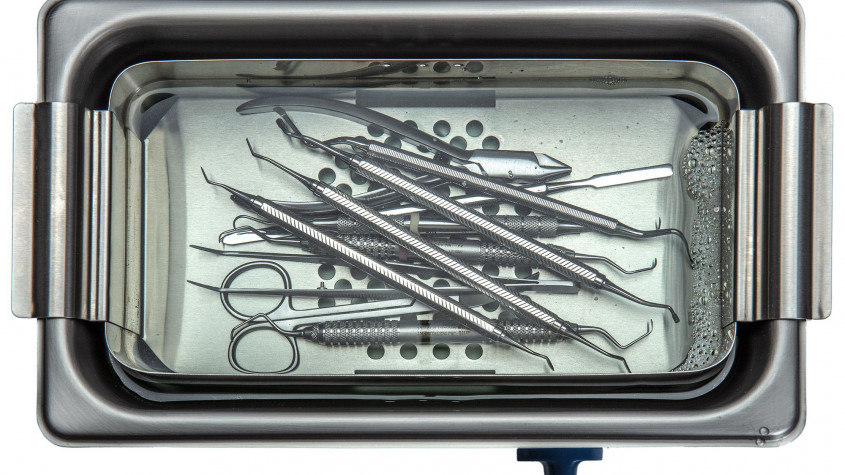
In the medical field, ultrasonic cleaners sterilize equipment. They clean surgical tools and dental instruments. This reduces the risk of infection.
Household Applications
Ultrasonic cleaners are also useful at home. They clean jewelry, making it sparkle again. The tiny bubbles reach every corner, removing all dirt.
They clean eyeglasses, too. Ultrasonic cleaners remove smudges and fingerprints. This makes the lenses clear and improves vision.
For hobbyists, they clean small parts and tools. Model builders and collectors find ultrasonic cleaners helpful. They make their items look new.

Credit: www.sciencedirect.com
Safety Precautions
Using an ultrasonic cleaner can be very effective for cleaning items. Yet, it is essential to follow safety precautions to avoid accidents or damage. Below are vital safety measures to keep in mind.
Handling Chemicals Safely
Always read the labels on cleaning solutions before use. Some chemicals can be harmful. It is important to wear protective gloves and safety goggles when handling these solutions. This will protect your skin and eyes.
Ensure the room is well-ventilated to avoid inhaling fumes. Use a fume hood if available. Never mix chemicals unless the label says it is safe to do so. Mixing can create dangerous reactions.
Store chemicals in a cool, dry place. Keep them away from heat sources or open flames. Proper storage extends the life of the chemicals and reduces risks.
Operating Safely
Before turning on the ultrasonic cleaner, check for any visible damage. Inspect the power cord and plug for wear and tear. Damaged cords can cause electric shocks or fires.
Place the cleaner on a stable, level surface. Ensure there is enough space around it for ventilation. Never operate the cleaner near water sources like sinks or tubs.
Fill the tank with the recommended amount of water and cleaning solution. Overfilling can cause spills, while underfilling can damage the unit. Follow the manufacturer’s instructions for the correct levels.
Use the provided basket to place items in the tank. Do not allow items to touch the bottom. This can prevent efficient cleaning and damage the unit.
Turn off and unplug the unit before removing items. This reduces the risk of electric shock. Allow the unit to cool down before cleaning or storing it.
| Safety Measure | Reason |
|---|---|
| Wear protective gloves and goggles | Protects skin and eyes from harmful chemicals |
| Use a fume hood | Prevents inhaling harmful fumes |
| Inspect power cord | Prevents electric shocks and fires |
| Place on a stable surface | Avoids spills and ensures efficient operation |
Credit: www.lrultrasonics.com
Frequently Asked Questions
What Is An Ultrasonic Cleaner?
An ultrasonic cleaner is a device that uses ultrasonic waves and cleaning solution to clean items. It removes dirt, grease, and contaminants efficiently.
How Does An Ultrasonic Cleaner Work?
Ultrasonic cleaners use high-frequency sound waves to create cavitation bubbles in a cleaning solution. These bubbles clean surfaces by removing contaminants.
What Can I Clean With An Ultrasonic Cleaner?
Ultrasonic cleaners can clean jewelry, eyeglasses, watches, dental instruments, and electronic components. It’s ideal for delicate and intricate items.
How Often Should I Use An Ultrasonic Cleaner?
The frequency depends on the item’s usage and dirtiness. For regularly used items, cleaning once a week is recommended.
Conclusion
Using an ultrasonic cleaner is simple and effective. Follow the steps mentioned above. Ensure proper maintenance of your device. Regularly clean the tank and replace the solution. This ensures optimal performance and longevity. Remember to handle delicate items with care.
Ultrasonic cleaners make cleaning easy and efficient. Your items will be spotless and well-maintained. Enjoy the convenience of ultrasonic cleaning in your daily routine.
As an Amazon Associate, Cleanestor earns from qualifying purchases at no additional cost to you.