
Disposing of old cleaning products can be tricky. It’s essential to do it safely.
Many people toss old cleaners in the trash. But, this can harm the environment. Some chemicals are dangerous. They can leak into the soil or water. Proper disposal is crucial. It protects your home and planet. In this guide, we will explain how to safely dispose of old cleaning products.
You will learn the best methods and tips. Keep reading to ensure you’re doing your part. Safe disposal is easier than you think. Let’s dive in!
Identifying Hazardous Cleaning Products
Disposing of old cleaning products is crucial for safety and the environment. Many cleaning products have hazardous ingredients. Identifying these products helps you dispose of them properly.
Common Hazardous Ingredients
Some cleaning products contain ingredients that pose health and environmental risks. Here are some common hazardous ingredients:
- Ammonia: Found in window cleaners and can cause respiratory issues.
- Bleach: Used in disinfectants, can cause skin burns and respiratory problems.
- Phthalates: Present in scented products, can disrupt hormones.
- Triclosan: Found in antibacterial products, can contribute to antibiotic resistance.
- Quaternary Ammonium Compounds: Used in disinfectants, can cause skin irritation and respiratory problems.
Reading Product Labels
Reading labels helps you identify hazardous cleaning products. Look for warning signs and hazard statements. Here are some tips:
- Check the Signal Words: Look for words like “Danger,” “Warning,” or “Caution.”
- Read the Ingredients: Identify harmful chemicals listed.
- Look for Hazard Symbols: Symbols like skull and crossbones indicate toxicity.
- Read Usage Instructions: Follow safe use and disposal instructions.
Understanding these labels ensures safe handling and disposal of cleaning products.
| Signal Word | Meaning |
|---|---|
| Danger | Indicates a highly hazardous product. |
| Warning | Indicates a moderately hazardous product. |
| Caution | Indicates a less hazardous product. |

Credit: fominsoap.com
Safe Disposal Methods
Safe disposal of old cleaning products is crucial for protecting our environment. Many cleaning products contain hazardous chemicals. Improper disposal can harm wildlife and contaminate water sources. Let’s explore some safe disposal methods.
Household Hazardous Waste Collection
Many communities offer household hazardous waste collection programs. These programs safely handle and dispose of hazardous materials. Check your local government’s website for collection dates and locations. Bring your old cleaning products to these events. Experts will ensure they are disposed of properly.
Municipal Disposal Programs
Some cities have municipal disposal programs. These programs often include special drop-off points. You can drop off old cleaning products at these locations. Municipal disposal programs ensure that hazardous materials are handled correctly. They prevent harmful chemicals from entering the environment. Contact your local waste management facility for more information.
Recycling And Reuse Options
Disposing of old cleaning products can be tricky. But there are eco-friendly ways to do it. Recycling and reusing are great options. They keep harmful chemicals out of landfills. They also help the environment. Let’s explore how you can recycle and reuse old cleaning products.
Recycling Centers
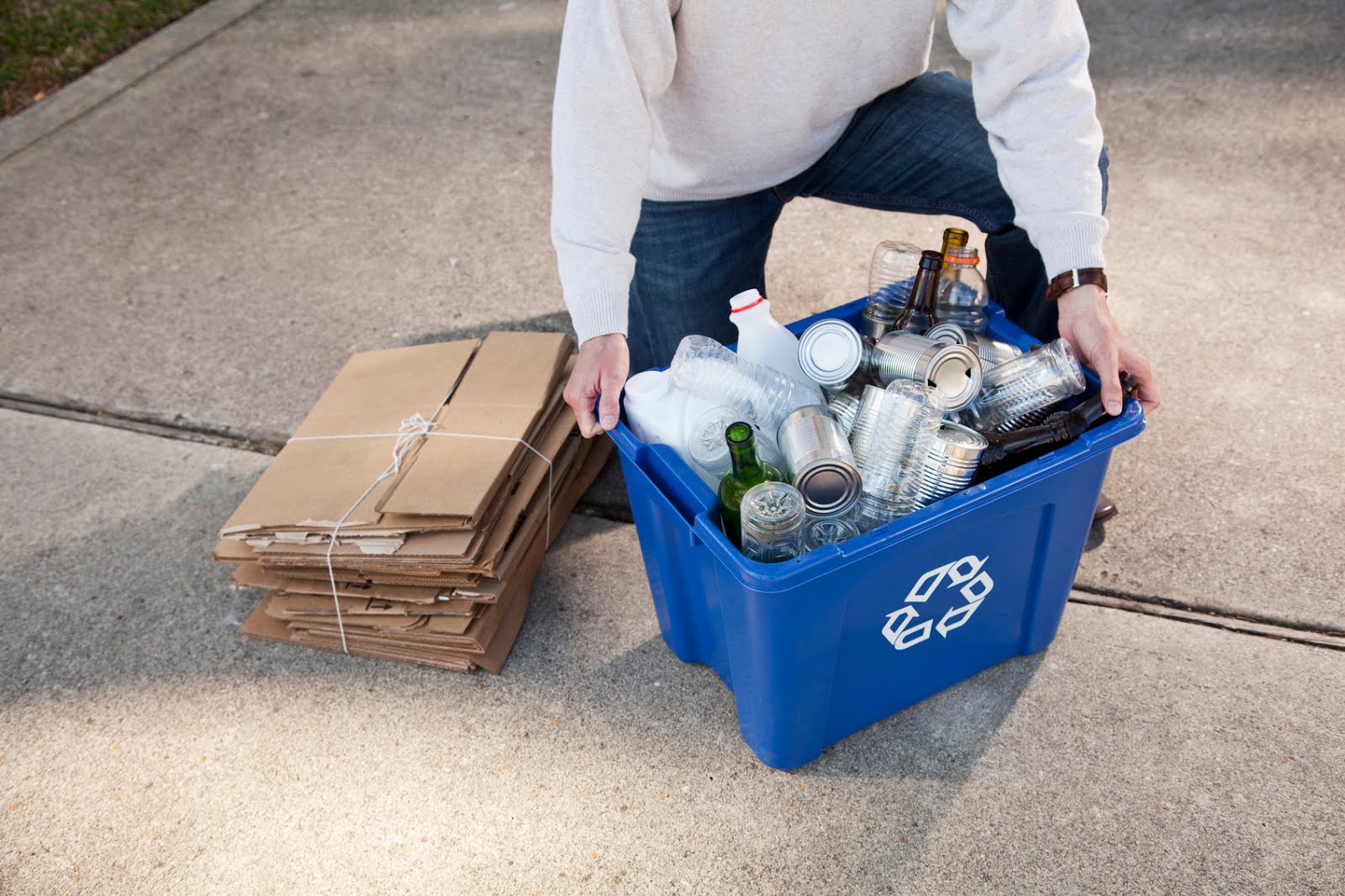
Many recycling centers accept old cleaning products. Check with your local center first. Some centers only take certain types of waste. Here’s a quick guide:
| Product Type | Recycling Instructions |
|---|---|
| Plastic bottles | Rinse and remove labels |
| Glass containers | Rinse and remove caps |
| Spray cans | Ensure they are empty |
Following these steps makes the recycling process easier. It also ensures materials are properly processed. Always read labels on cleaning products. Some products have specific disposal instructions.
Donation Opportunities
Old cleaning products can be donated. Many organizations need them. Here are some places to consider:
- Local shelters: They often accept cleaning supplies.
- Community centers: They can use these products for maintenance.
- Schools: Many schools need cleaning supplies for classrooms.
Before donating, ensure the products are still usable. Check expiration dates. Make sure they are in good condition. This ensures they can be safely used by others.
By recycling and donating, you help reduce waste. You also support your community. It’s a win-win situation for everyone involved.
DIY Disposal Solutions
Disposing of old cleaning products can be tricky. Many contain harmful chemicals that should not go in the trash. DIY disposal solutions offer an eco-friendly way to handle these products. You can neutralize chemicals and create homemade alternatives. This keeps harmful substances out of the environment.
Neutralizing Chemicals
Some old cleaning products can be neutralized at home. This makes them safer to dispose of. Follow these steps for common household cleaners:
- Bleach: Mix with water in a 1:10 ratio. Pour down the drain with plenty of water.
- Ammonia: Dilute with lots of water. Never mix with bleach.
- Acidic cleaners: Add baking soda until fizzing stops. This neutralizes the acid.
Always wear gloves and goggles when handling chemicals. Work in a well-ventilated area.
Homemade Cleaning Alternatives
Instead of buying new cleaning products, make your own. Homemade cleaners are safe and effective. Here are a few easy recipes:
- All-purpose cleaner: Mix equal parts vinegar and water. Add a few drops of essential oil for scent.
- Glass cleaner: Combine 2 cups water, 1/2 cup vinegar, and 1/4 cup rubbing alcohol.
- Scrubbing paste: Mix baking soda with a bit of water. Use for tough stains.
Store homemade cleaners in labeled spray bottles. This keeps your home organized and safe.
Using these DIY disposal solutions helps the environment. It also keeps your home safe. Start using these tips today.
Preventing Future Waste
Preventing future waste from old cleaning products is essential for a sustainable lifestyle. By making thoughtful choices, you can reduce waste and help the environment. Let’s explore some practical tips.
Buying Smaller Quantities
Start by buying smaller quantities of cleaning products. This ensures you use them up before they expire. It also reduces the chances of storing products you won’t need. Smaller bottles are easier to manage and store.
Consider your cleaning needs. Purchase products that match those needs. This avoids the accumulation of excess supplies. You can always buy more if needed. This strategy saves space and money.
Opting For Eco-friendly Products
Choose eco-friendly cleaning products. These products are often biodegradable and less harmful to the environment. They usually come in recyclable packaging. Brands often offer refill options, reducing plastic waste.
Eco-friendly products often contain natural ingredients. This makes them safer for your home. They reduce the risk of harmful chemicals entering the water supply. Making this switch benefits your health and the planet.
Legal And Safety Considerations
Disposing of old cleaning products requires careful attention. Legal regulations and safety precautions ensure proper disposal. This protects both you and the environment.
Local Regulations
Each area has specific rules for disposing of cleaning products. Check your local waste management website for guidelines. This helps you avoid legal trouble and ensures proper disposal.
Some places offer hazardous waste collection days. On these days, you can safely dispose of products like bleach, ammonia, and pesticides. Use this service to follow the law and protect the environment.
Safety Precautions
Follow these safety tips when disposing of old cleaning products:
- Wear protective gloves to avoid skin contact.
- Do not mix different chemicals together.
- Keep products in their original containers with labels.
- Store products in a cool, dry place until disposal.
These steps prevent accidents and protect your health.
| Product | Disposal Method |
|---|---|
| Bleach | Take to hazardous waste collection site |
| Ammonia | Do not mix; take to hazardous waste site |
| Pesticides | Follow local disposal guidelines |
Always read the label for specific disposal instructions. Some products have unique requirements.
Community Initiatives
Disposing of old cleaning products responsibly is crucial for our environment. Community initiatives offer practical ways to handle this task. They bring people together and educate them on proper disposal methods. This section explores two key community initiatives: Neighborhood Collection Events and Educational Programs.
Neighborhood Collection Events
Neighborhood collection events are organized gatherings where residents can drop off old cleaning products. Local authorities or community groups usually host these events. They ensure safe disposal and recycling of hazardous materials. Such events often occur annually or biannually. These events help keep harmful chemicals out of landfills and waterways. They also promote community involvement and environmental awareness. Participating in these events is a simple yet effective way to contribute to a cleaner environment.
Educational Programs
Educational programs play a vital role in teaching proper disposal methods. Schools, community centers, and local governments often run these programs. They provide information on the dangers of improper disposal. Attendees learn how to identify hazardous materials and dispose of them safely. These programs may include workshops, seminars, and informational pamphlets. They aim to raise awareness and encourage responsible behavior. Educating the community helps prevent environmental damage and promotes sustainable practices.
Credit: www.triplesclean.com
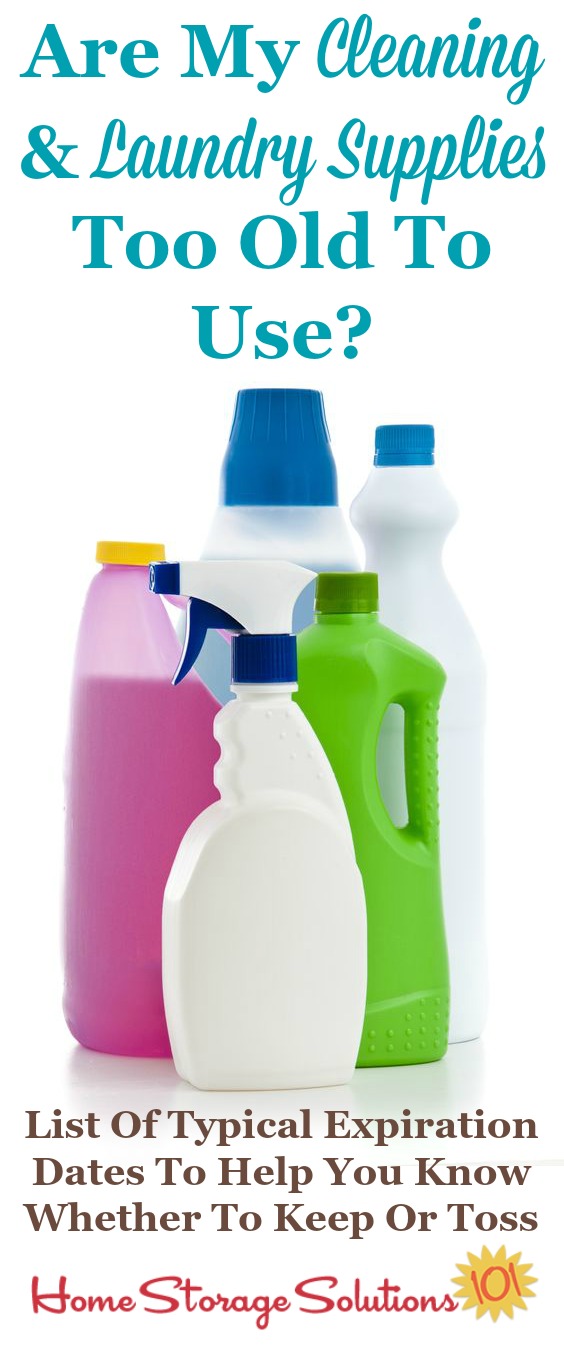
Credit: www.home-storage-solutions-101.com
Frequently Asked Questions
How To Safely Dispose Of Old Cleaning Products?
Dispose of old cleaning products by following local hazardous waste disposal guidelines. Never pour them down the drain.
Can You Throw Old Cleaning Products In The Trash?
No, do not throw old cleaning products in the trash. They can be hazardous and require special disposal.
Are There Eco-friendly Ways To Dispose Of Cleaning Products?
Yes, many communities offer eco-friendly disposal programs. Check with local waste management services for options.
What Should You Do With Empty Cleaning Product Containers?
Rinse and recycle empty containers if they are made of recyclable materials. Follow your local recycling guidelines.
Conclusion
Proper disposal of old cleaning products protects both health and environment. Always check labels for disposal instructions. Recycle containers if possible. Hazardous waste facilities accept certain cleaning products. Don’t pour chemicals down the drain. Donate unused products to shelters or friends.
Your careful actions make a difference. Stay informed, stay responsible. Reduce waste, live sustainably. Following these steps helps keep our planet safe and clean.
As an Amazon Associate, Cleanestor earns from qualifying purchases at no additional cost to you.