
Proper disposal of cleaning products is crucial for safety and the environment. Many people don’t know how to do this correctly.
Disposing of cleaning products can be tricky. These items often contain chemicals that can harm the environment or pose health risks. You can’t just throw them in the trash or pour them down the drain. Doing so can pollute water sources or harm wildlife.
It’s important to know the right methods to get rid of these products. This guide will help you understand safe disposal practices. You’ll learn what steps to take to protect your home and the planet. Let’s explore how to dispose of cleaning products properly.
Importance Of Proper Disposal
Proper disposal of cleaning products is crucial for several reasons. It protects the environment, ensures health safety, and reduces pollution. Incorrect disposal can lead to severe consequences. Harmful chemicals can seep into the ground. They can contaminate water supplies. This can harm both humans and wildlife.
Environmental Impact
Improper disposal of cleaning products has a significant environmental impact. Chemicals from these products can enter water systems. They can harm aquatic life. Pollutants can disrupt ecosystems. This can lead to long-term damage.
Consider the following table to understand the impact:
| Cleaning Product | Environmental Impact |
|---|---|
| Bleach | Harms aquatic life, disrupts ecosystems |
| Ammonia | Pollutes water, toxic to fish |
Health Risks
There are significant health risks associated with improper disposal. Chemicals can enter the air or water. People can inhale these chemicals. This can cause respiratory issues. They can also be ingested. This can lead to poisoning.
Consider these risks:
- Respiratory problems
- Skin irritation
- Poisoning
Protecting your health is important. Dispose of cleaning products properly.
Identifying Hazardous Products
Properly disposing of cleaning products is crucial for the environment. Many cleaning products contain hazardous chemicals. Identifying these products can help you dispose of them safely.
Common Hazardous Ingredients
Some cleaning products contain ingredients that are harmful. Here are a few common hazardous ingredients:
- Ammonia: Found in glass cleaners. Can cause respiratory issues.
- Bleach: Used in disinfectants. Can irritate skin and eyes.
- Phosphates: Present in some detergents. Harmful to aquatic life.
- Triclosan: Used in antibacterial products. Can disrupt hormones.
- Formaldehyde: Found in some air fresheners. Known carcinogen.
Reading Product Labels
Reading labels is essential to identify hazardous products. Look for warning signs and symbols.
| Symbol | Meaning |
|---|---|
| Flame | Flammable products |
| Skull and Crossbones | Toxic substances |
| Exclamation Mark | Harmful or irritant |
| Corrosion | Corrosive to skin and metals |
Always read the instructions on the label. They will tell you how to use and dispose of the product. If a product is hazardous, it will have specific disposal instructions.
General Disposal Guidelines
Proper disposal of cleaning products is crucial for maintaining a safe and healthy environment. Many cleaning products contain chemicals that can harm people, animals, and plants. Following general disposal guidelines helps ensure these substances do not end up in our water supply or soil.
Household Disposal Tips
Start by reading the label on your cleaning product. It usually provides instructions for safe disposal. Never pour cleaning products down the drain or toilet. This can contaminate water sources. Instead, see if your local waste management facility accepts hazardous waste. Many communities have special collection days for these items.
If the product is still usable, consider giving it to someone who might need it. Reusing is always better than disposing. For empty containers, rinse them thoroughly before recycling. Make sure they are completely dry. This prevents any leftover chemicals from causing harm.
Commercial Disposal Practices
Businesses must follow stricter regulations for disposing of cleaning products. The Environmental Protection Agency (EPA) provides guidelines for proper disposal. Companies should train employees on these guidelines. It ensures everyone knows how to handle hazardous waste.
Commercial establishments often have contracts with waste disposal companies. These companies specialize in handling and disposing of hazardous materials. They ensure that chemicals do not harm the environment. Businesses should keep records of all disposed materials. This helps in case of any audits or inspections.
For large quantities, consider using a licensed hazardous waste disposal service. These services know how to manage and dispose of chemicals safely. They also provide documentation, ensuring compliance with local laws.

Credit: fominsoap.com
Recycling Cleaning Product Containers
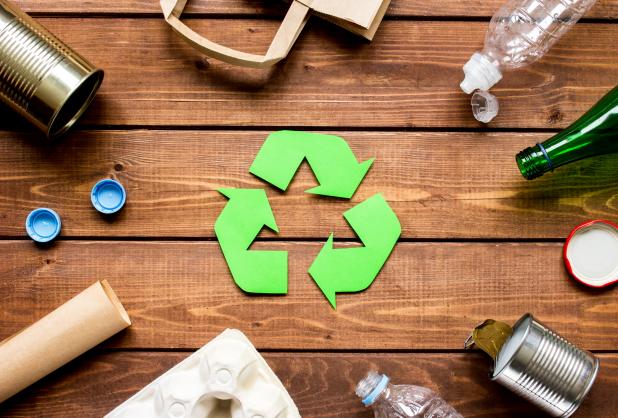
Disposing of cleaning products responsibly is essential for a healthier environment. Recycling cleaning product containers is a great way to reduce waste. This process ensures that the materials are reused, which helps to conserve resources. Below, we will discuss the recycling of plastic bottles and metal containers.
Plastic Bottle Recycling
Most cleaning products come in plastic bottles. These bottles are usually made from PET or HDPE plastics. To recycle them effectively, follow these steps:
- Rinse the bottle thoroughly to remove any residue.
- Remove the label if possible. This helps in the recycling process.
- Check the recycling symbol on the bottle. This indicates the type of plastic.
- Place the bottle in the appropriate recycling bin.
Rinsing the bottle is important. Leftover chemicals can contaminate the recycling stream. Removing labels also makes it easier for facilities to process the plastic. Always check the recycling symbol to ensure the bottle is recyclable.
Metal Container Recycling
Some cleaning products come in metal containers. These are often made from steel or aluminum. Recycling these containers is slightly different:
- Empty the container completely. Make sure no product is left inside.
- Rinse the container with water to clean it.
- Check for any recycling symbols or instructions on the container.
- Place the metal container in the designated recycling bin.
Emptying the container fully is crucial. It prevents contamination and makes recycling easier. Rinsing the container ensures it is clean. Always look for recycling symbols to guide you.
Recycling cleaning product containers is simple. It helps the environment and conserves resources. By following these steps, you contribute positively to the planet.
Safe Disposal Of Liquid Cleaners
Proper disposal of liquid cleaners is crucial for environmental safety. Many people dispose of these products incorrectly, causing harm to our water systems and wildlife. Understanding the safe methods for disposing of liquid cleaners ensures that we protect our planet while keeping our homes clean.
Dilution Methods
One way to safely dispose of liquid cleaners is by dilution. Diluting the cleaner with water can make it less harmful. Follow these simple steps:
- Use a bucket or large container.
- Mix the cleaner with a large amount of water.
- Pour the diluted mixture down the drain.
This method works well for mild cleaners. Never use this method for harsh chemicals or those labeled as hazardous.
Local Disposal Facilities
Another option is to use local disposal facilities. Many communities have designated places to dispose of hazardous waste. To find a local facility:
- Check your city’s website.
- Contact your local waste management office.
- Use online directories to locate facilities.
These facilities are equipped to handle various types of waste safely, including liquid cleaners.
Ensure you follow the guidelines provided by the facility. Some may require you to bring the cleaner in its original container. Others may have specific days for hazardous waste collection.
Proper disposal not only protects the environment but also keeps your community safe.

Credit: blog.bunzlchs.com
Disposing Of Solid Cleaning Products
Disposing of solid cleaning products can be challenging. These products include sponges, scrubbers, and other solid materials. Proper disposal ensures safety and environmental protection. Let’s explore the best ways to handle these items.
Trash Disposal
Some solid cleaning products can go in the trash. Check the product label first. If it’s safe, wrap it in a bag. This prevents leaks and smells. Then, place it in your regular trash bin.
Special Waste Collection
Some solid cleaning items need special waste collection. These include products with chemicals. Look for local waste collection services. They handle hazardous materials safely. Contact your local waste management office. Ask about special collection days. Follow their guidelines for disposal.
Handling Expired Cleaning Products
Handling expired cleaning products correctly is essential for safety and the environment. Many do not realize that cleaning products have expiration dates. Disposing of them improperly can harm you and nature. Learn the best ways to manage and discard expired cleaning products.
Expiration Dates
Many cleaning products come with expiration dates. These dates ensure the product works effectively. Over time, ingredients can break down. This can make the product less effective or even harmful. Check labels for expiration information. Note the date and plan to use the product before it expires.
Safe Disposal Options
Do not pour expired cleaning products down the drain. This can contaminate water supplies. Instead, contact local waste management services. They can provide guidelines on safe disposal. Some areas have special collection events. These events are for hazardous household waste. You can drop off expired cleaning products there.
Another option is to check with the product manufacturer. Some companies offer take-back programs. They may accept their expired products for proper disposal. Always follow safety instructions on the product label. Use protective gloves and masks if needed. Handle expired products with care.
Credit: www.cleaninginstitute.org
Alternatives To Hazardous Cleaners
Disposing of hazardous cleaning products can be tricky. Many traditional cleaners contain chemicals that harm the environment. Luckily, there are safer alternatives. These options are just as effective but much kinder to our planet.
Eco-friendly Products
Eco-friendly products are a great choice. They contain natural ingredients and are biodegradable. This means they break down easily without polluting water or soil. Many stores now stock eco-friendly cleaners. Look for labels that say “non-toxic” or “biodegradable.” These products often use plant-based ingredients. They are safe for your home and the environment.
Diy Cleaning Solutions
Making your own cleaners is simple and cost-effective. You only need a few basic ingredients. For example, vinegar and baking soda can clean almost anything. Lemon juice is also a natural disinfectant. These items are safe and easy to find. You can mix them to create powerful cleaning solutions. Best of all, they are free from harmful chemicals.
Frequently Asked Questions
How Do I Safely Dispose Of Cleaning Products?
To safely dispose of cleaning products, follow the instructions on the label. If unsure, contact your local waste disposal authority. Never pour them down the drain or toilet.
Can I Throw Cleaning Products In The Trash?
Some cleaning products can be thrown in the trash, but check the label first. Hazardous products require special disposal methods. Contact your local waste disposal authority for guidance.
Are There Eco-friendly Disposal Methods For Cleaning Products?
Yes, many communities offer eco-friendly disposal options like hazardous waste collection events. You can also seek out recycling programs for specific cleaning product containers.
What Happens If I Improperly Dispose Of Cleaning Products?
Improper disposal can harm the environment and water supply. It may also pose health risks to sanitation workers and wildlife. Always follow disposal guidelines.
Conclusion
Proper disposal of cleaning products keeps our environment safe and healthy. Always read labels and follow instructions. Never pour chemicals down the drain. Use local hazardous waste programs for disposal. Recycle empty containers if possible. Ask local authorities for proper disposal methods.
Being mindful helps protect our water and soil. Small actions make a big difference. Let’s keep our planet clean and safe for everyone.
As an Amazon Associate, Cleanestor earns from qualifying purchases at no additional cost to you.