
Want your dishwasher to clean like a pro? It’s simpler than you think.
You can improve its performance with a few easy steps. Maximizing dishwasher efficiency involves more than just loading dishes. There are key practices that can make a big difference. Proper loading, selecting the right cycle, and regular maintenance are crucial.
Understanding these methods can save you time, energy, and money. Plus, it ensures your dishes come out sparkling clean every time. Dive in to discover how you can achieve the best results from your dishwasher. No more spots, no more stains. Just gleaming dishes, effortlessly.
Choosing The Right Detergent
Choosing the right detergent can greatly enhance your dishwasher’s cleaning efficiency. The type of detergent you use has a significant impact. It determines how well your dishes get cleaned. The right choice can lead to sparkling dishes, while the wrong one can leave residue. Let’s explore the different types of detergents and some eco-friendly options.
Types Of Detergents
There are three main types of dishwasher detergents: powder, gel, and tablets. Powder detergents are the oldest type. They are usually less expensive. Gels are easy to use and dissolve well. However, they can sometimes leave residue. Tablets combine detergent, rinse aid, and other cleaning agents. They are convenient and often provide the best results.
Eco-friendly Options
Eco-friendly detergents are becoming more popular. They are made from natural ingredients. These detergents are biodegradable. They do not harm the environment. They are a great choice for those who want to reduce their ecological footprint. Many eco-friendly options clean just as well as traditional detergents.
Optimal Loading Techniques
Maximizing the cleaning efficiency of your dishwasher relies heavily on how you load it. Proper loading techniques can ensure every dish comes out spotless. Let’s dive into the best methods for loading your dishwasher, starting with the top rack and then moving to the bottom rack.
Loading The Top Rack
The top rack is ideal for cups, glasses, and small bowls. Place these items at an angle. This allows water to run off and prevents pooling. Secure lightweight items to avoid them moving during the wash cycle. Ensure that all items face downward. This will expose the dirtiest surfaces to the water jets.
For oddly shaped items, make sure they do not block the spray arms. Ensure all items fit securely between the prongs. This keeps them stable. Avoid overcrowding. This can prevent proper water circulation. Space items out evenly to ensure optimal cleaning.
Arranging Items On The Bottom Rack
The bottom rack is best for plates, pots, and larger bowls. Place plates between the prongs. Ensure they face the center. This orientation exposes the dirtiest surfaces to the water jets. Larger items should be placed on the sides. This prevents blocking the spray arm.
Pots and pans should be placed upside down. This allows water to reach all surfaces. Avoid nesting bowls or pots. Nesting can prevent water from reaching all surfaces. Ensure large items do not block the detergent dispenser. An unblocked dispenser ensures detergent reaches all dishes.
Pre-rinsing Dishes
Maximizing the cleaning efficiency of your dishwasher involves several key practices. One of the most debated is the practice of pre-rinsing dishes. While some argue it wastes water, others believe it ensures a thorough clean. Understanding when and how to pre-rinse can help you make the most of your dishwasher’s capabilities.
When To Pre-rinse
Not all dishes require pre-rinsing. Heavy and sticky residues often need extra attention before loading. Scrape off large food particles and pre-rinse items with dried-on food. This prevents clogging and improves cleaning results. Avoid pre-rinsing dishes with light, loose debris. Modern dishwashers can handle such residues easily.
Effective Pre-rinsing Methods
Using the right pre-rinsing techniques can save water and time. Here are some effective methods:
- Cold Water Rinse: Use cold water to rinse off food residues. This saves energy compared to using hot water.
- Minimal Water Usage: Only use a small stream of water. Avoid running the tap at full blast.
- Soaking: For stubborn, dried-on food, soak dishes in water for a few minutes before rinsing.
- Scraping: Use a spatula or brush to scrape off large food particles before rinsing.
By following these pre-rinsing tips, you can enhance your dishwasher’s performance. This ensures your dishes come out sparkling clean every time.

Credit: www.howards.com
Regular Maintenance
Regular maintenance can enhance your dishwasher’s performance. It ensures that dishes come out clean. Without proper care, your dishwasher may not work efficiently. Regular checks can prevent build-ups and blockages.
Cleaning The Filter
The filter in your dishwasher collects food particles. These particles can cause clogs and reduce cleaning efficiency. Cleaning the filter is simple. Remove it and rinse it under running water. Use a soft brush to remove stubborn debris. Do this every few weeks to keep your dishwasher running smoothly.
Inspecting Spray Arms
Spray arms distribute water to clean dishes. If they are blocked, the dishwasher will not clean properly. Inspect the spray arms regularly. Remove them and check for blockages. Use a toothpick or brush to clear any debris. Reattach them securely after cleaning. This ensures your dishes get the best wash possible.
Selecting The Right Cycle
Maximizing the cleaning efficiency of your dishwasher starts with selecting the right cycle. Each cycle is designed for different levels of soil and types of dishes. Understanding these cycles helps in achieving the best cleaning results.
Understanding Cycle Options
Dishwashers come with various cycle options. Knowing what each cycle does will help in making the right choice.
- Normal Cycle: Ideal for everyday dishes with a moderate amount of soil.
- Heavy Duty Cycle: Perfect for heavily soiled pots and pans.
- Quick Wash: Best for lightly soiled dishes and when time is short.
- Eco Cycle: Saves water and energy. Suitable for lightly soiled dishes.
Choosing Based On Soil Level
Choose a cycle based on the soil level of your dishes. This ensures better cleaning and efficiency.
| Soil Level | Recommended Cycle |
|---|---|
| Light Soil | Quick Wash or Eco Cycle |
| Moderate Soil | Normal Cycle |
| Heavy Soil | Heavy Duty Cycle |
For heavily soiled dishes, pre-rinse them before loading. This helps in removing stubborn stains and food particles.
Using the right cycle not only ensures cleaner dishes but also saves water and energy. Pay attention to the soil level and select the appropriate cycle for better results.
Using Rinse Aid
Using rinse aid can significantly improve your dishwasher’s cleaning efficiency. It helps in reducing water spots and ensures dishes come out sparkling clean. Many users often overlook its benefits, but incorporating rinse aid into your dishwashing routine can make a huge difference.
Benefits Of Rinse Aid
Rinse aid enhances the drying process. It prevents water droplets from forming on dishes. This results in fewer spots and streaks. Here are some key benefits:
- Spotless dishes: Rinse aid prevents water spots.
- Improved drying: It speeds up the drying process.
- Shinier glassware: Glasses come out clear and shiny.
- Reduced film: It helps in eliminating film on dishes.
Proper Usage
To maximize the effectiveness of rinse aid, follow these simple steps:
- Locate the rinse aid dispenser in your dishwasher. It is usually near the detergent compartment.
- Fill the dispenser with rinse aid. Use the fill line as a guide.
- Adjust the rinse aid setting if your dishwasher has one. A higher setting is good for hard water.
- Check the rinse aid level regularly. Refill as needed.
Some dishwashers have a rinse aid indicator light. This light alerts you when the rinse aid is low. It ensures you never run out.
For best results, use a high-quality rinse aid product. Look for brands known for their effectiveness. A good rinse aid can make a noticeable difference.
Managing Water Temperature
Managing the water temperature is a key factor in ensuring your dishwasher works efficiently. The right temperature can help remove food particles and grease more effectively. This section will guide you on how to manage water temperature to maximize your dishwasher’s cleaning efficiency.
Ideal Temperature Settings
Setting the right water temperature is crucial for effective cleaning. The ideal temperature for your dishwasher is between 120°F and 150°F (49°C to 66°C). Water below this range may not clean dishes properly, while water above can cause damage to both dishes and the dishwasher itself.
| Temperature Range | Effectiveness |
|---|---|
| Below 120°F (49°C) | Less effective in removing grease and food particles. |
| 120°F to 150°F (49°C to 66°C) | Optimal for cleaning and sanitizing dishes. |
| Above 150°F (66°C) | Risk of damaging dishes and the dishwasher. |
Adjusting Your Water Heater
To achieve the ideal temperature, you might need to adjust your water heater settings. Follow these steps to check and adjust your water heater:
- Locate the thermostat on your water heater. It is usually behind a small panel.
- Use a thermometer to check the current water temperature. Let the hot water run for a few minutes before measuring.
- If the temperature is below 120°F (49°C) or above 150°F (66°C), adjust the thermostat accordingly. Turn it slightly towards “hot” to increase or “cold” to decrease the temperature.
- Wait for a few hours and then recheck the temperature to ensure it is within the ideal range.
Keeping the water temperature within the recommended range can significantly improve your dishwasher’s cleaning efficiency. It helps in breaking down food residues and ensures that your dishes come out sparkling clean.
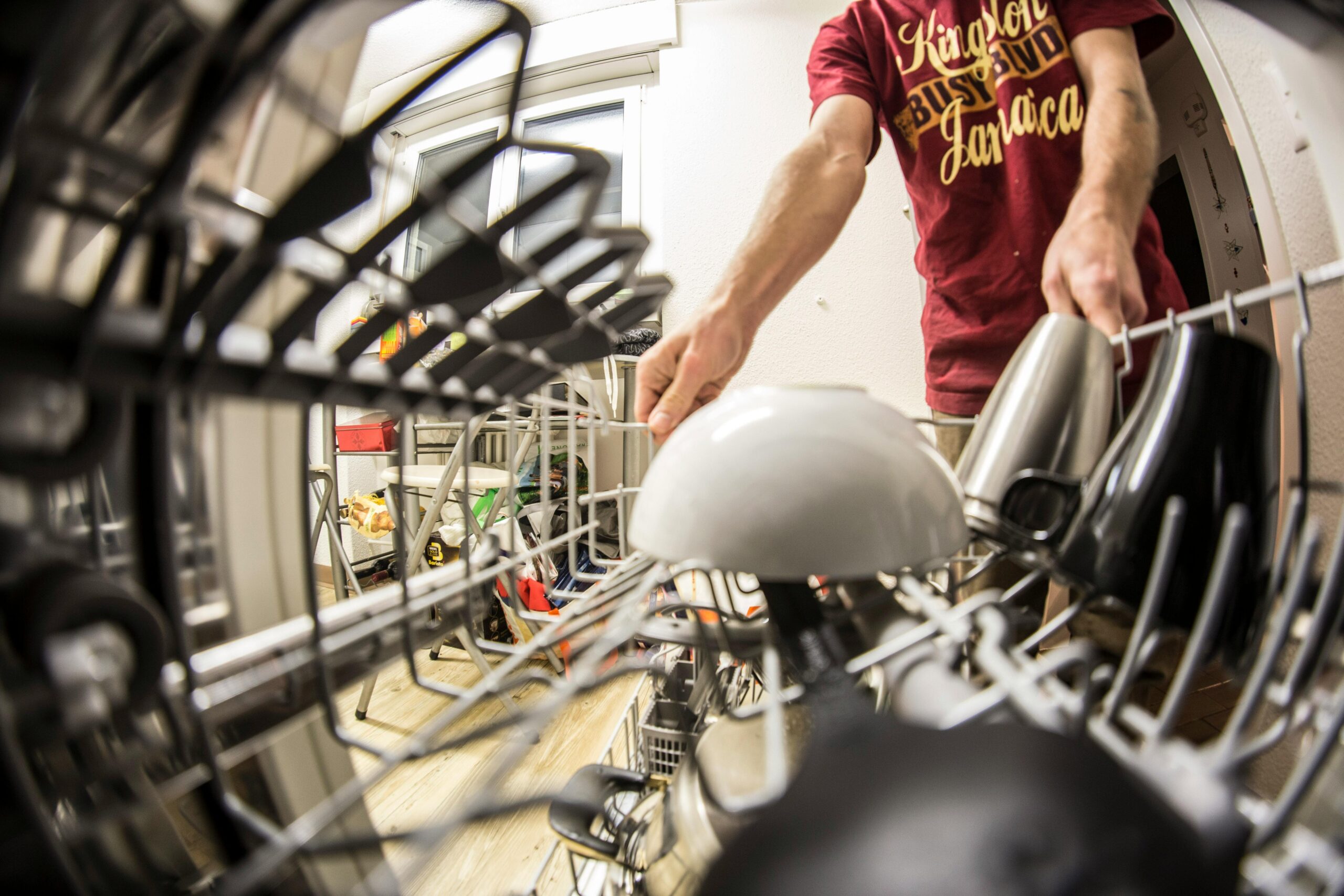
Credit: cosmoappliances.com
Avoiding Common Mistakes
Maximizing the cleaning efficiency of your dishwasher requires avoiding common mistakes. Mistakes can lead to poorly cleaned dishes and wasted resources. By paying attention to how you load the dishwasher and the amount of detergent you use, you can ensure your dishwasher works at its best.
Overloading The Dishwasher
One common mistake is overloading the dishwasher. When you cram too many dishes in, water and detergent can’t reach all surfaces. This leads to dishes that are not properly cleaned.
Ensure that there is space between dishes. This allows water to flow freely. Place larger items at the back or sides. Smaller items should go in the middle. This arrangement helps the dishwasher clean every dish effectively.
Using Too Much Detergent
Another mistake is using too much detergent. You might think more detergent means cleaner dishes. But, it can leave residue on your dishes and in the machine.
Use the amount recommended by the manufacturer. This ensures your dishes are clean without extra detergent residue. Excess detergent can also harm the dishwasher over time.
Follow these tips to avoid common mistakes. Your dishwasher will work more efficiently. Your dishes will come out cleaner.
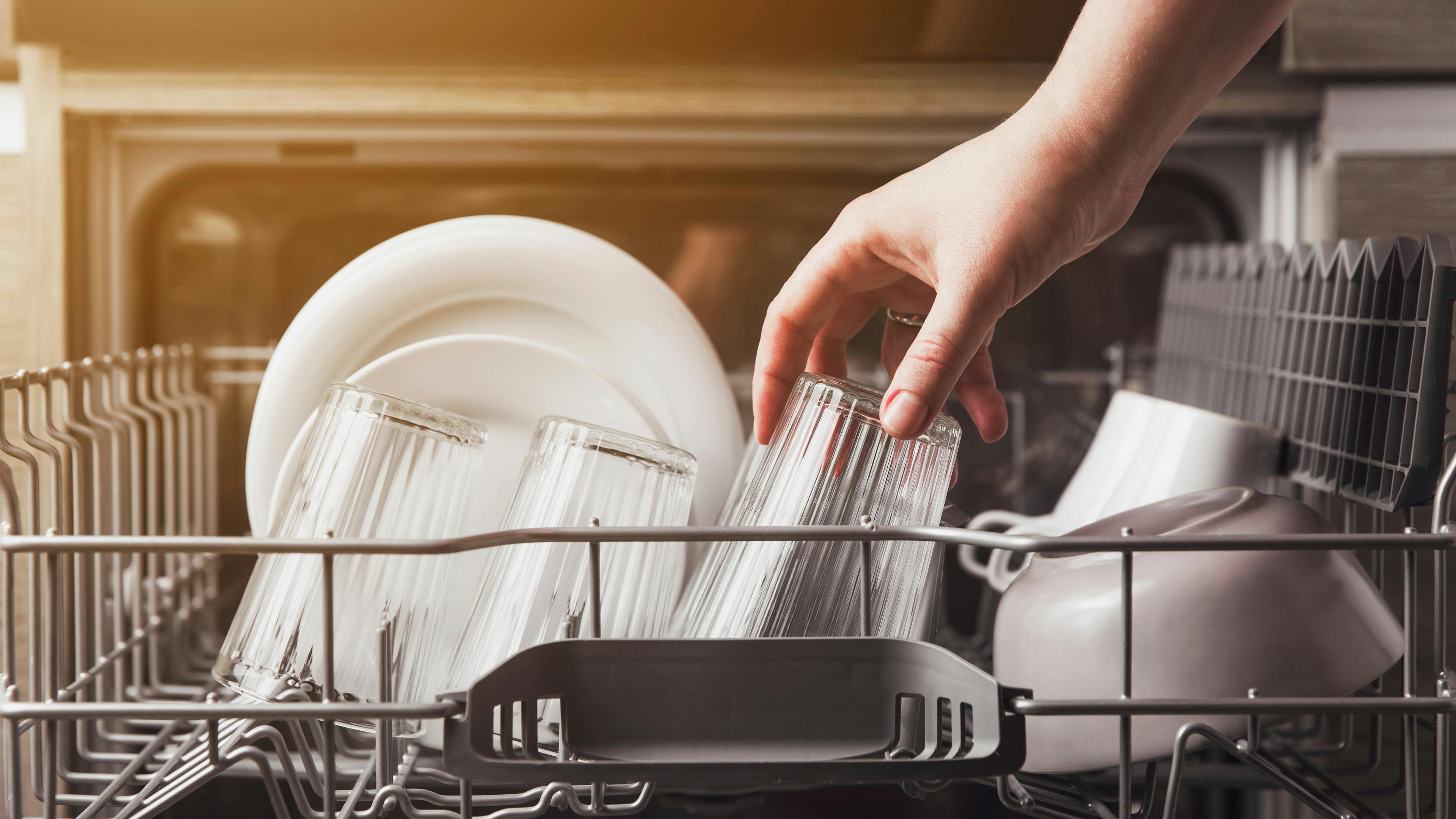
Credit: www.myappliances.co.uk
Frequently Asked Questions
How Often Should I Clean My Dishwasher?
Regular cleaning is essential. Clean the filter and interior monthly to maintain efficiency. This prevents buildup and keeps your dishwasher running smoothly.
What Type Of Detergent Is Best For Dishwashers?
Use high-quality, dishwasher-specific detergents. They dissolve better, preventing residue buildup. Avoid using regular dish soap, which can cause excessive suds.
Can I Use Vinegar To Clean My Dishwasher?
Yes, vinegar is effective. Run an empty cycle with a cup of vinegar. It helps remove odors and mineral buildup.
How Should I Load Dishes For Maximum Efficiency?
Load dishes properly. Avoid overcrowding to ensure water reaches all surfaces. Place larger items on the bottom rack and smaller items on the top.
Conclusion
Maximizing your dishwasher’s efficiency saves time and effort. Use recommended detergents. Load dishes properly. Regular maintenance keeps it running smoothly. Clean filters and spray arms often. Avoid overloading the dishwasher. Choose the right cycle for your needs. By following these tips, your dishes will come out sparkling clean every time.
Happy washing!
As an Amazon Associate, Cleanestor earns from qualifying purchases at no additional cost to you.