

Yes, you can spray carb cleaner into the air intake. But, it’s important to be cautious and follow certain guidelines.
Carburetor cleaner can help remove dirt and debris from your engine’s air intake system. This process can improve engine performance and efficiency. However, it’s not a simple spray-and-go task. Misusing the cleaner can cause damage or worsen existing issues. Understanding the correct method and precautions is crucial for a successful cleaning.
In this blog post, we will explore the steps and safety measures to ensure you use carb cleaner effectively. Whether you’re a DIY enthusiast or a beginner, this guide will provide clear and easy-to-follow instructions. Stay tuned to learn how to keep your engine in top shape with the right techniques.
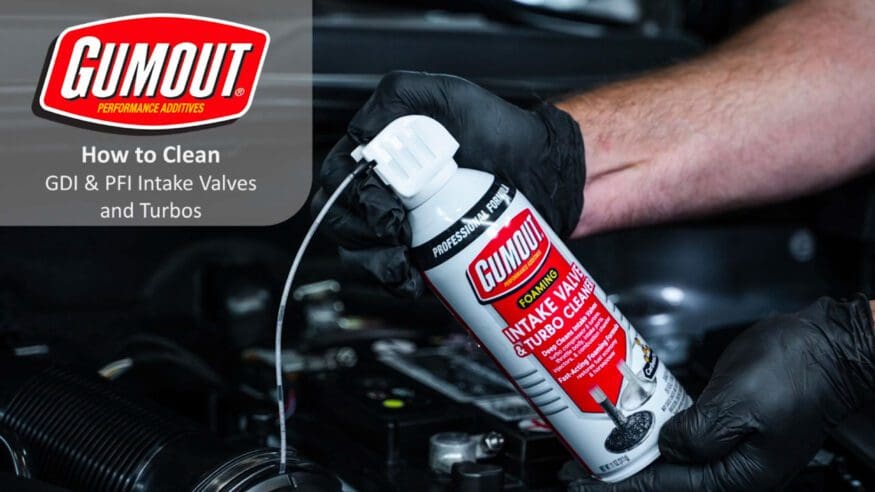
Credit: gumout.com
Introduction To Carb Cleaner
Carb cleaner, or carburetor cleaner, is a product designed to clean the carburetor in an internal combustion engine. The carburetor mixes air and fuel for the engine, so it needs to stay clean. A dirty carburetor can cause poor engine performance and higher fuel consumption.
Purpose And Uses
Carb cleaner is primarily used to remove deposits, gum, and varnish from the carburetor. These substances can build up over time and affect the performance of the carburetor. By keeping the carburetor clean, the engine runs smoothly and efficiently.
Besides cleaning the carburetor, carb cleaner has several other uses. It can also clean throttle bodies, chokes, and intake valves. Some mechanics use it to clean other engine parts as well.
Here are some common uses of carb cleaner:
- Cleaning carburetor parts
- Removing deposits from throttle bodies
- Cleaning intake valves
- Eliminating varnish and gum buildup
Common Ingredients
Carb cleaners contain a mix of powerful chemicals. These chemicals dissolve deposits and clean the carburetor parts. Here are some common ingredients found in carb cleaners:
| Ingredient | Function |
|---|---|
| Acetone | Solvent that dissolves gum and varnish |
| Toluene | Powerful solvent for carbon deposits |
| Methanol | Removes moisture and dissolves debris |
| Carbon dioxide | Propellant for aerosol spray |
Using a carb cleaner with these ingredients ensures thorough cleaning. It helps maintain the efficiency and performance of the engine.
Air Intake System Basics
The air intake system is crucial for your engine’s performance. It ensures that the engine gets the right amount of clean air. Without it, your engine would not run efficiently. Let’s dive into the basics.
Components Of Air Intake
The air intake system consists of several parts. Each part plays a vital role in the process:
- Air Filter: Removes dust and debris from the air.
- Mass Air Flow Sensor (MAF): Measures the amount of air entering the engine.
- Throttle Body: Controls the flow of air into the engine.
- Intake Manifold: Distributes air evenly to the cylinders.
Function In Engine Performance
The air intake system helps the engine breathe. It provides a steady flow of clean air. This air mixes with fuel for combustion. Better air means better combustion.
Proper air intake affects many aspects:
- Fuel Efficiency: Clean air improves fuel burning efficiency.
- Power Output: More air means more power.
- Engine Longevity: Clean air reduces wear and tear.
A well-maintained air intake system is crucial. It ensures your engine runs smoothly and efficiently. Now, let’s consider spraying carb cleaner into the air intake.
Reasons For Cleaning The Air Intake
The air intake system plays a crucial role in your vehicle’s performance. Regular cleaning ensures the engine runs smoothly and efficiently. There are several reasons why maintaining a clean air intake is essential.
Improving Engine Efficiency
A clean air intake allows the engine to breathe better. When debris and dirt accumulate, they restrict airflow. This can lead to poor combustion and reduced power output. By using a carb cleaner to remove these obstructions, you can enhance the engine’s performance. A well-maintained air intake ensures optimal air-fuel mixture, leading to improved fuel efficiency.
Reducing Emissions
Dirty air intakes can cause incomplete combustion. This leads to higher emission levels. Harmful pollutants like carbon monoxide and hydrocarbons can increase. Keeping the air intake clean helps the engine burn fuel more completely. This results in fewer emissions and a cleaner environment.
Safety Precautions
Spraying carb cleaner into the air intake can be effective. Yet, it is essential to follow safety precautions to avoid potential risks. This section will discuss the necessary steps to ensure safety.
Protective Gear
Always wear protective gear when handling carb cleaner. It contains strong chemicals that can be harmful. Here are some items you should wear:
- Safety goggles to protect your eyes.
- Gloves to protect your hands from direct contact.
- Long sleeves and pants to cover your skin.
These items help prevent accidents and keep you safe from harmful exposure.
Proper Ventilation
Ensure you have proper ventilation when using carb cleaner. The fumes can be dangerous if inhaled. Follow these tips to maintain good airflow:
- Work in an open space or well-ventilated area.
- Use a fan to circulate air.
- Avoid enclosed areas without windows or vents.
Proper ventilation reduces the risk of inhaling toxic fumes and keeps the air fresh.
Steps To Spray Carb Cleaner
Spraying carb cleaner into the air intake can help clean your engine. It removes grime and buildup. Follow these steps to do it correctly.
Preparation
First, gather your tools. You will need a carb cleaner, a screwdriver, and safety gloves. Ensure the engine is off and cool to touch. Locate the air intake system. Refer to the car manual if unsure.
Application Process
Once ready, remove the air filter cover using the screwdriver. Hold the carb cleaner nozzle close to the intake. Spray short bursts into the intake. Avoid long sprays to prevent flooding. Wait a few minutes. This lets the cleaner break down the grime.
After spraying, reattach the air filter cover. Start the engine. Let it idle for a few minutes. This helps the cleaner circulate through the system. Check for smooth idling. Repeat the process if needed.

Credit: www.toyotanation.com
Potential Risks
Spraying carb cleaner into the air intake can pose several risks. Understanding these dangers is crucial to avoid costly repairs. Here are some potential risks to consider:
Damage To Sensors
Sensors in your car are sensitive components. They provide essential data to the engine control unit (ECU). Spraying carb cleaner into the air intake can harm these sensors. Especially the mass air flow (MAF) sensor.
The MAF sensor measures the air entering the engine. A damaged MAF sensor can send incorrect data. This can lead to poor engine performance and reduced fuel efficiency.
Impact On Engine Components
Carb cleaner contains strong chemicals. These chemicals can damage engine components. The throttle body and intake manifold are particularly vulnerable.
Using carb cleaner can lead to corrosion in these parts. This corrosion can affect their performance. It can also shorten their lifespan.
In summary, spraying carb cleaner into the air intake can cause significant damage. It is essential to use it carefully and consider other cleaning methods.
Alternative Cleaning Methods
While using carb cleaner spray might seem convenient, there are safer alternatives. These methods ensure thorough cleaning without potential harm to your engine. Explore manual cleaning and professional services for a more comprehensive approach.
Manual Cleaning
Manual cleaning involves removing the air intake components. This allows for a more detailed inspection. You can clean each part individually with a brush and cleaner. It takes more time but ensures every part is spotless. Use a toothbrush to reach tight spots. Wipe down parts with a lint-free cloth.
Professional Services
Professional services offer expertise and specialized tools. Mechanics can clean the air intake system thoroughly. They use high-quality cleaning agents and advanced techniques. This method can be more costly but guarantees optimal results. Professionals can also spot and fix related issues. Regular maintenance by a mechanic can extend your engine’s life.
Maintenance Tips
Maintaining your vehicle’s carburetor and air intake system is crucial. Clean parts ensure your engine runs smoothly. Regular checks and the right products can prevent many issues.
Regular Inspections
Conduct routine inspections of your air intake system. Look for dust and debris buildup. Clear any blockages to ensure proper airflow. Dirty or clogged parts can affect engine performance. Regular maintenance helps in identifying potential problems early. This can save you from costly repairs later.
Choosing The Right Products
Select the right carb cleaner for your vehicle. Not all cleaners are the same. Check the label for compatibility with your engine type. Quality products can make a big difference. They clean more efficiently and protect parts better. Always follow the manufacturer’s instructions for the best results.

Credit: www.youtube.com
Frequently Asked Questions
Can You Use Carb Cleaner On Air Intake?
Yes, you can use carb cleaner on the air intake. It helps remove dirt and improve airflow. Ensure the engine is off before spraying.
Is It Safe To Spray Carb Cleaner?
It is generally safe if used correctly. Follow the instructions on the can. Avoid spraying directly on sensors.
How Often Should You Clean Air Intake?
Cleaning the air intake every 30,000 miles is recommended. This helps maintain optimal engine performance and efficiency.
What Happens If You Spray Too Much Carb Cleaner?
Spraying too much can cause engine stalling. Use the cleaner sparingly and follow the manufacturer’s instructions for best results.
Conclusion
Spraying carb cleaner into the air intake can be effective but risky. It may clean deposits, but it can also cause damage. Always follow your vehicle’s manual instructions. Use carb cleaner with caution and proper knowledge. Consult a mechanic if unsure.
Keeping your car well-maintained ensures better performance. Regular checks prevent bigger issues. Stay informed for safe car maintenance.


As an Amazon Associate, Cleanestor earns from qualifying purchases at no additional cost to you.
