
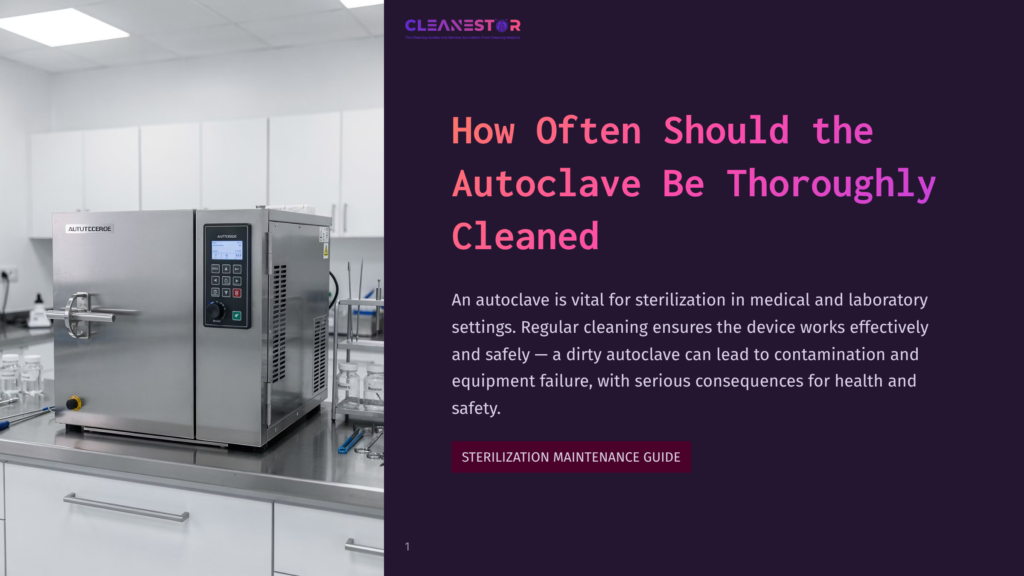
An autoclave is vital for sterilization in medical and laboratory settings. But how often should it be thoroughly cleaned to maintain its efficiency?
Regular cleaning of an autoclave is crucial. It ensures the device works effectively and safely. A dirty autoclave can lead to contamination and equipment failure. This is why understanding the cleaning schedule is important. Neglecting this task can have serious consequences for health and safety.
In this blog post, we’ll explore the recommended cleaning frequency. We’ll also discuss the factors that influence this schedule. Knowing how often to clean your autoclave helps keep it in top condition. It also ensures the safety of everyone who relies on it. So, let’s dive into the details and keep your autoclave clean and efficient.
Importance Of Autoclave Maintenance
Proper autoclave maintenance is vital for efficient sterilization. Regular upkeep ensures safety and extends the equipment’s life. This practice helps maintain a sterile environment, preventing contamination. Let’s explore why autoclave maintenance is so crucial.
Preventing Contamination
Regular autoclave cleaning prevents contamination. Residue from previous cycles can compromise sterilization. Contaminants can lead to infections or failed procedures. Thorough cleaning removes residue and ensures a sterile outcome.
Ensuring Proper Functioning
Routine maintenance ensures the autoclave functions correctly. Regular checks identify and fix minor issues before they become major problems. Proper functioning guarantees effective sterilization cycles. This practice helps maintain the autoclave’s performance and reliability.
Daily Cleaning Routine
Maintaining an autoclave’s cleanliness ensures efficiency and safety. A daily cleaning routine helps prevent residue buildup and keeps the device in top condition. This routine involves simple yet crucial steps.
Wiping External Surfaces
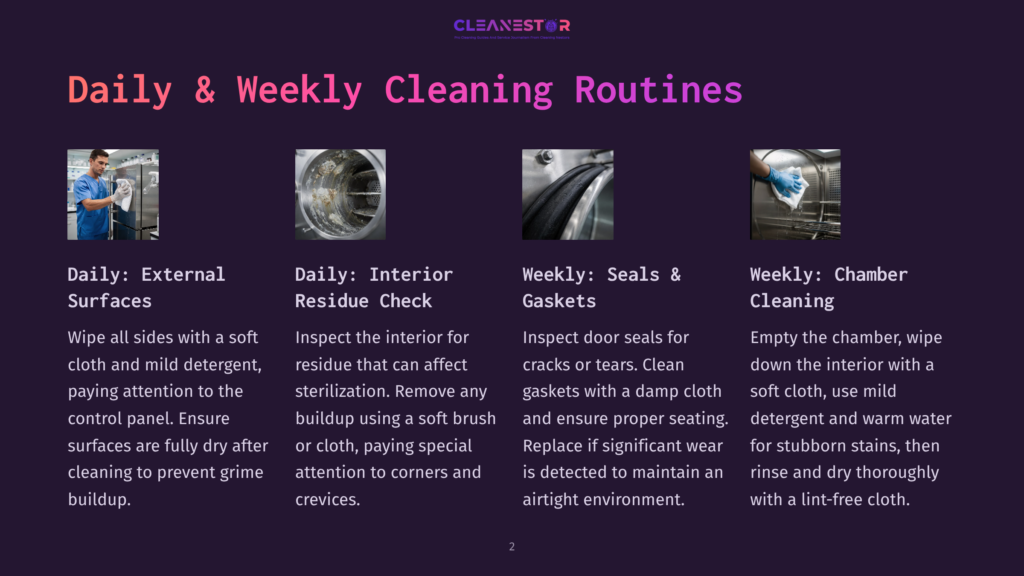
Start by wiping the autoclave’s external surfaces. Use a soft cloth and mild detergent. Clean all sides, paying attention to the control panel. This prevents dust and grime accumulation. A clean surface maintains the device’s appearance and functionality. Ensure the external parts are dry after cleaning.
Checking For Residue
Inspect the autoclave’s interior for any residue. Residue can affect the sterilization process. Remove any visible residue using a soft brush or cloth. Pay special attention to corners and crevices. Regular checks help keep the device running smoothly. This step is vital for maintaining sterilization quality.
Weekly Cleaning Procedures
Keeping your autoclave clean is crucial for its efficiency. A weekly cleaning routine ensures that your device remains in top condition. This helps to avoid contamination and extend the lifespan of your equipment.
Cleaning Chambers
The chamber of the autoclave should be thoroughly cleaned each week. This involves removing any debris and residue left from previous cycles.
- Start by emptying the chamber.
- Wipe down the interior with a soft cloth.
- Use a mild detergent and warm water for stubborn stains.
- Rinse the chamber thoroughly to remove any soap residue.
- Dry the chamber with a clean, lint-free cloth.
Inspecting Seals And Gaskets
Seals and gaskets are essential for maintaining the autoclave’s airtight environment. These components should be inspected weekly for any signs of wear or damage.
- Check the door seal for cracks or tears.
- Ensure that the gasket is properly seated in its groove.
- Clean the gasket with a damp cloth to remove any residue.
- Inspect the gasket for any signs of deterioration.
- Replace the gasket if it shows significant wear.
By performing these weekly cleaning procedures, you ensure the longevity and effectiveness of your autoclave. Regular maintenance reduces the risk of contamination and keeps your equipment running smoothly.
Monthly Maintenance Tasks
Keeping an autoclave in top condition requires regular monthly maintenance. These tasks ensure the autoclave runs smoothly and safely. Each component of the autoclave must be inspected and cleaned.
Deep Cleaning Chambers
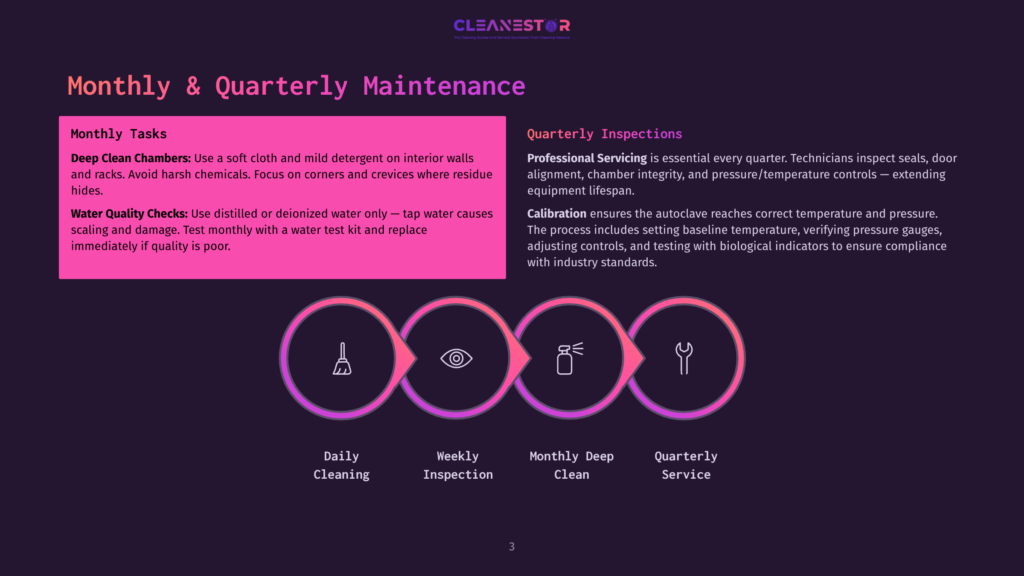
The chambers of the autoclave collect residue and buildup over time. Monthly deep cleaning is essential. Use a soft cloth and mild detergent. Wipe down the interior walls and racks. Avoid harsh chemicals. They can damage the autoclave’s interior. Pay special attention to corners and crevices. Residue often hides there. Remove any visible debris or stains. This helps maintain the autoclave’s performance and longevity.
Checking Water Quality
Water quality directly impacts the autoclave’s efficiency. Monthly checks on water quality are necessary. Use distilled or deionized water. Tap water can contain impurities. These impurities can cause scaling and damage. Regularly test the water for quality. Use a water test kit. Ensure the water is clean and free from contaminants. If the water quality is poor, replace it immediately. This step prevents potential issues and extends the autoclave’s life.
Quarterly Inspections
Autoclaves are critical for sterilization processes in various industries. Keeping them in top condition is paramount. Regular maintenance ensures they operate efficiently. Quarterly inspections help identify potential issues early. These inspections involve several essential steps.
Professional Servicing
Hiring professionals for servicing is crucial. They have the expertise to detect minor issues before they escalate. Quarterly professional servicing includes:
- Inspecting seals and gaskets
- Checking the door alignment
- Evaluating the chamber for any damages
- Testing the pressure and temperature controls
Professionals also clean critical components. This ensures the autoclave functions optimally. Regular servicing extends the equipment’s lifespan.
Calibrating Equipment
Calibrating the autoclave is essential for accurate performance. Calibration ensures the autoclave reaches the correct temperature and pressure. This is vital for effective sterilization. The calibration process includes:
- Setting the baseline temperature
- Verifying the pressure gauge readings
- Adjusting the control settings
- Testing with biological indicators
Accurate calibration prevents malfunction. It also ensures compliance with industry standards. Regular calibration maintains the integrity of the sterilization process.
To summarize, quarterly inspections by professionals and regular calibration are essential. These steps ensure the autoclave operates efficiently and safely. Maintaining the equipment prevents costly repairs and downtime.
Recognizing Signs Of Wear
Autoclaves are essential for sterilizing medical and laboratory equipment. Like all machines, they show signs of wear over time. Recognizing these signs is crucial for maintaining their efficiency. Regular cleaning helps. Yet, understanding when an autoclave needs more attention ensures its longevity.
Unusual Noises
Unusual noises can signal problems. Listen for:
- Grinding or scraping sounds
- Hissing noises
- Unexpected beeps or alarms
These sounds often indicate internal issues. Loose parts or worn-out components can cause them. Addressing these noises early can prevent bigger problems.
Inconsistent Sterilization
Sterilization must be consistent. If not, it poses risks. Signs of inconsistent sterilization include:
- Items not fully dry
- Spots of moisture on instruments
- Equipment not reaching required temperature
These issues can result from clogged filters or faulty sensors. Regular checks and cleanings help maintain proper function.
Recognizing these signs early can save time and money. Regular maintenance ensures the autoclave operates at its best.
Using Appropriate Cleaning Agents
Maintaining an autoclave’s cleanliness is crucial for its efficiency and longevity. One vital aspect is using appropriate cleaning agents. Choosing the right solutions ensures effective sterilization without damaging the equipment.
Recommended Solutions
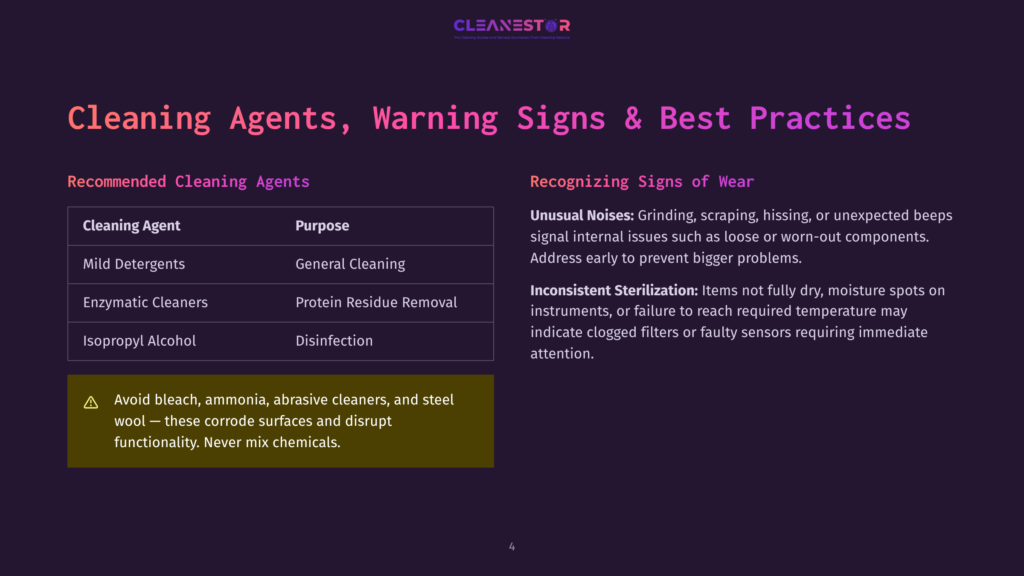
For regular cleaning, use mild detergents designed for medical equipment. These products remove residue without causing harm. Here is a table of recommended cleaning agents:
| Cleaning Agent | Purpose |
|---|---|
| Mild Detergents | General Cleaning |
| Enzymatic Cleaners | Protein Residue Removal |
| Isopropyl Alcohol | Disinfection |
Avoiding Harsh Chemicals
Harsh chemicals can damage the autoclave’s delicate parts. Avoid using bleach, ammonia, or abrasive cleaners. These substances can corrode the autoclave’s surfaces and disrupt its functionality. Instead, stick to gentle, non-abrasive solutions.
Here are some tips to keep in mind:
- Do not use steel wool or abrasive pads.
- Avoid mixing different chemicals.
- Rinse thoroughly after cleaning to remove any residue.
Using the right cleaning agents and avoiding harsh chemicals will help maintain the autoclave’s efficiency and extend its lifespan.
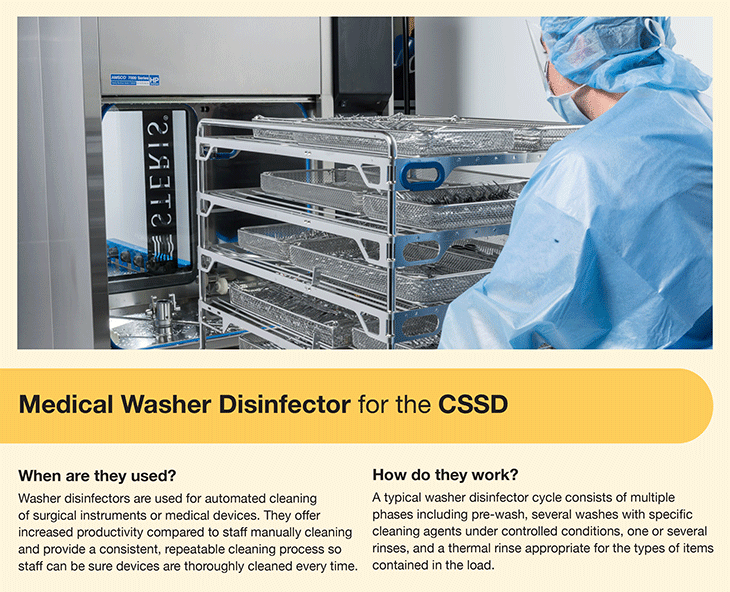
Credit: www.steris.com
Documentation And Records
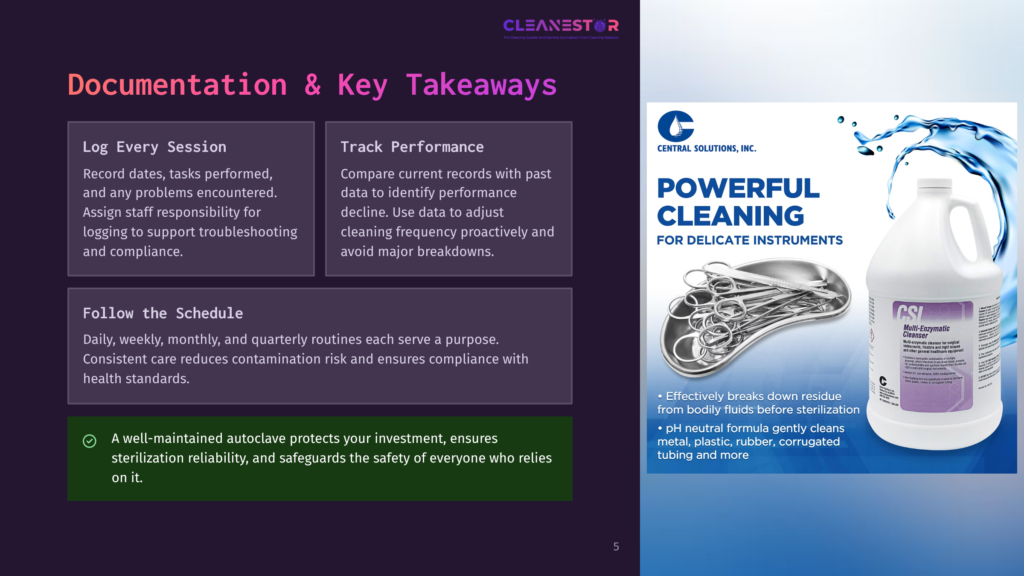
Proper documentation and records are crucial for maintaining your autoclave. Keeping track of cleaning schedules ensures the equipment functions correctly. This practice is essential for safety and efficiency.
Thorough documentation helps identify patterns and issues. Regular records can prevent breakdowns and costly repairs. This approach also supports compliance with industry standards.
Logging Maintenance Activities
Logging maintenance activities is a key part of autoclave management. Record each cleaning session in detail. Include dates and specific tasks performed.
Note any problems encountered during cleaning. This information is valuable for troubleshooting. It helps identify recurring issues.
Assign responsibility for logging tasks. Ensure staff members understand the importance. Proper logs contribute to the autoclave’s longevity.
Tracking Performance
Tracking performance involves monitoring the autoclave’s function. Record the results after each cleaning. Check for consistent performance.
Compare current records with past data. Identify any decline in performance. Address issues promptly to maintain efficiency.
Use performance data to adjust cleaning schedules. More frequent cleaning may be necessary. This proactive approach helps avoid major problems.
Frequently Asked Questions
How Often Should An Autoclave Be Cleaned?
An autoclave should be cleaned thoroughly every month. Regular cleaning ensures optimal performance and prevents contamination.
What Is The Best Method To Clean An Autoclave?
The best method is to use a manufacturer-recommended cleaner. Follow the instructions for safe and effective cleaning.
Can I Use Household Cleaners For Autoclaves?
No, household cleaners are not recommended. They can damage the autoclave and affect sterilization efficacy.
Why Is Autoclave Cleaning Important?
Cleaning is essential to maintain sterilization efficiency. It removes residue and prevents contamination of instruments.
Conclusion
Regular cleaning ensures your autoclave works efficiently and safely. Follow manufacturer guidelines for cleaning frequency. Daily maintenance prevents buildup and prolongs the device’s lifespan. Weekly and monthly checks catch potential issues early. A well-maintained autoclave ensures sterilization reliability. Always use recommended cleaning solutions and methods.
Proper care reduces contamination risk and ensures compliance with health standards. Schedule routine cleaning for optimal performance. Keep your autoclave in peak condition with consistent care. This protects both your investment and the safety of your operations.
As an Amazon Associate, Cleanestor earns from qualifying purchases at no additional cost to you.