
Cleaning an ultrasonic cleaner is simple. Start by turning off and unplugging the device.
Next, drain the tank and wipe it down with a cloth. Ultrasonic cleaners are excellent for deep cleaning delicate items. Over time, though, the cleaner itself needs maintenance to keep working efficiently. Regular cleaning prevents residue build-up and ensures your ultrasonic cleaner performs at its best.
In this guide, we will walk you through the steps to clean your ultrasonic cleaner effectively. You will learn how to maintain your device so it lasts longer and continues to provide superior cleaning. With a few easy steps, your ultrasonic cleaner will stay in top condition, ready to tackle any cleaning job. Let’s dive into the details and keep your device in perfect shape.
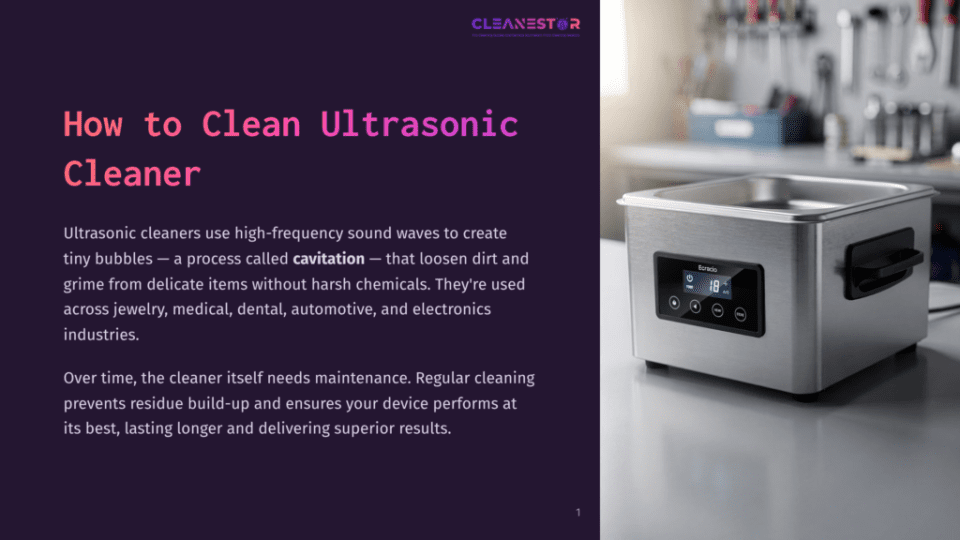

Introduction To Ultrasonic Cleaners
Ultrasonic cleaners are powerful tools for cleaning delicate items. They use sound waves to remove dirt and grime without harsh chemicals. This makes them ideal for various applications. In this section, we will explore what ultrasonic cleaners are and their common uses.
What Is An Ultrasonic Cleaner?
An ultrasonic cleaner is a device that cleans items using high-frequency sound waves. These sound waves create tiny bubbles in a cleaning solution. The bubbles burst, loosening dirt and contaminants from the items. This process is called cavitation.
Ultrasonic cleaners come in various sizes. They can clean small items like jewelry and large items like industrial parts. The cleaning process is gentle yet effective. It reaches places that traditional cleaning methods cannot.
Common Uses
Ultrasonic cleaners have many applications. They are popular in the jewelry industry. Jewelers use them to clean rings, necklaces, and watches. The cleaners remove dirt from intricate designs and settings.
Medical professionals use ultrasonic cleaners to sterilize instruments. The cleaners ensure that tools are free from contaminants. Dentists also use them for cleaning dental tools and dentures.
In the automotive industry, ultrasonic cleaners clean engine parts. They remove grease, oil, and carbon deposits. This helps in maintaining the efficiency and longevity of the parts.
Ultrasonic cleaners are also used in electronics. They clean circuit boards and other components. The process removes dust and debris without damaging the delicate parts.
Importance Of Regular Cleaning
Regular cleaning of your ultrasonic cleaner is vital. It ensures optimal performance and longevity. Neglecting maintenance can lead to inefficiencies and equipment damage.
Preventing Build-up
Build-up of residues and contaminants can occur over time. Regular cleaning prevents this accumulation. This keeps your ultrasonic cleaner effective. It also maintains the quality of your cleaning process.
Ensuring Efficiency
Efficiency is key for ultrasonic cleaners. Regular cleaning ensures that the machine works at its best. Dirt and residues can hinder performance. A clean machine operates more efficiently. This also extends the lifespan of your device.
Gathering Necessary Supplies
Before you start cleaning your ultrasonic cleaner, gather all necessary supplies. Having everything ready will make the process smoother and faster. You will need cleaning solutions and some essential tools and equipment.
Cleaning Solutions
Choose a cleaning solution suitable for your ultrasonic cleaner. These solutions are designed for effective cleaning without damaging the machine. You can buy them from stores or online. Always follow the instructions on the product label. Avoid using harsh chemicals as they can harm your cleaner.
Tools And Equipment
You will need a few basic tools and equipment. A soft brush will help you clean hard-to-reach areas. A microfiber cloth is great for wiping surfaces. Also, have a small container ready for mixing the cleaning solution. Tweezers or a small pick can be useful for removing debris. Gloves are important for protecting your hands. Lastly, a small towel or mat can be used to dry parts after cleaning.
Preparing The Ultrasonic Cleaner
Before cleaning your ultrasonic cleaner, proper preparation is crucial. This process ensures effective cleaning. It also prolongs the life of your device. Follow these simple steps to get your cleaner ready.
Unplug And Empty
First, unplug the ultrasonic cleaner from the power source. Safety is important. This will prevent any electrical accidents. Next, empty the tank of any solution or liquid. Dispose of the used solution properly. This step will help you start fresh with a clean tank.
Disassemble Parts
Disassemble the removable parts of the ultrasonic cleaner. Take out the basket and any other detachable components. Check the manual if unsure. This makes cleaning each part easier. Inspect each part for residue or buildup. Make sure to clean these parts separately for thorough maintenance.
Cleaning The Tank
Keeping your ultrasonic cleaner in top condition is essential for its longevity and efficiency. Cleaning the tank is a crucial part of this maintenance. A clean tank ensures that your ultrasonic cleaner works effectively and remains in good shape for years to come.
Removing Residue
Residue can build up in the tank over time. This can affect the performance of your ultrasonic cleaner. Start by draining the tank completely. Use a soft cloth to wipe out any remaining liquid. This will remove most of the residue.
For stubborn residue, fill the tank with a mixture of water and mild detergent. Let it sit for a few minutes. This will loosen the residue. Drain the tank and wipe it out with a soft cloth again.
Scrubbing Tips
Sometimes, a simple wipe isn’t enough. In such cases, gentle scrubbing is necessary. Use a soft-bristle brush to scrub the tank. Avoid using abrasive materials as they can damage the tank.
Move the brush in circular motions. This will help in removing any stuck-on residue. For hard-to-reach areas, a toothbrush can be quite handy. It can reach corners and crevices easily.
After scrubbing, rinse the tank thoroughly with clean water. This will remove any remaining detergent. Wipe the tank dry with a clean, soft cloth. Ensure it is completely dry before using the ultrasonic cleaner again.
Cleaning The Transducers
Keeping your ultrasonic cleaner in top condition is essential for optimal performance. One critical part of the cleaner is the transducers. These components convert electrical energy into ultrasonic waves. Proper cleaning ensures the longevity and efficiency of your device.
Why Transducers Matter
Transducers are the heart of your ultrasonic cleaner. They are responsible for generating the ultrasonic waves that clean your items. If transducers are dirty or damaged, the cleaning process will not be effective. Clean transducers ensure your cleaner operates at its best.
Safe Cleaning Methods
Using safe cleaning methods is crucial to maintain the integrity of the transducers. Follow these steps for effective and safe cleaning:
- Turn off and unplug the ultrasonic cleaner.
- Remove the cleaning tank carefully.
- Use a soft cloth to wipe down the transducers.
- For stubborn dirt, use a mild detergent solution.
- Rinse with distilled water to avoid residue.
- Dry thoroughly before reassembly.
Avoid harsh chemicals or abrasive materials. These can damage the transducers. A soft touch and gentle cleaning agents preserve their function.
| Item | Method | Notes |
|---|---|---|
| Soft Cloth | Wipe Gently | Avoid Scratches |
| Mild Detergent | Light Scrub | Non-abrasive |
| Distilled Water | Rinse Thoroughly | Leave No Residue |
Follow these steps to ensure your ultrasonic cleaner’s transducers remain clean and effective. Regular maintenance prevents buildup and extends the life of your device.
Rinsing And Drying
Rinsing and drying your ultrasonic cleaner is essential for its maintenance. Proper techniques ensure the device stays functional and clean. Follow these steps to rinse and dry your ultrasonic cleaner efficiently.
Proper Rinsing Techniques
First, unplug the ultrasonic cleaner. Remove any remaining solution from the tank. Use distilled water for the rinsing process. Pour the water into the tank until it’s half full. Turn on the cleaner for a few minutes. This will remove any leftover residue. Drain the water completely.
Rinse the tank again with distilled water. This ensures all cleaning agents are removed. Carefully wipe the inside with a soft cloth. Avoid using harsh materials. They can scratch the surface. Repeat the rinsing process if needed.
Drying The Components
After rinsing, drying the components is crucial. Start by unplugging the cleaner again. Use a lint-free cloth to wipe the tank. Ensure no water spots are left. These can cause stains or rust.
Leave the lid open for a few hours. This allows any remaining moisture to evaporate. Place the cleaner in a well-ventilated area. Avoid direct sunlight. Excess heat can damage the unit. Check all parts are completely dry before storing.
For smaller components, use a soft cloth. Gently pat them dry. Ensure no water remains on any part. Store them in a dry place. Proper drying prevents mold and mildew.
Reassembling The Cleaner
Reassembling an ultrasonic cleaner properly ensures it functions well. It also extends its lifespan. The process involves a few steps. Before starting, make sure all parts are clean and dry.
Checking For Damage
Inspect each part carefully. Look for cracks or wear. Damaged parts can affect performance. If you find any issues, consider replacing the part. This ensures the cleaner works efficiently.
Reassembly Steps
- Position the Tank: Place the tank back into the main unit. Ensure it fits snugly.
- Attach the Lid: Secure the lid properly. Check if it closes tightly.
- Reconnect Wires: Attach any wires that were disconnected. Make sure they are connected correctly.
- Secure Screws: Tighten all screws. This keeps the parts in place.
- Test the Cleaner: Plug in the cleaner and run a short cycle. Check for any leaks or unusual sounds.
Following these steps ensures your ultrasonic cleaner is ready for use. Proper reassembly is key to maintaining its efficiency.
Maintaining Your Ultrasonic Cleaner
Keeping your ultrasonic cleaner in good condition ensures it works well for a long time. Regular maintenance prevents build-up, which can affect cleaning efficiency. By following simple steps daily and over the long term, you can extend the life of your cleaner.
Daily Maintenance Tips
Start by unplugging the unit before cleaning. Empty the tank and rinse it with water. Wipe the tank with a soft cloth to remove residues. Check for any visible damage or wear and tear. Refill the tank with fresh water and the recommended cleaning solution. Run a short cleaning cycle to ensure the solution is well mixed. Dry the exterior with a soft cloth.
Long-term Care
Inspect the ultrasonic transducer regularly. Look for signs of wear or damage. Schedule a thorough cleaning of the unit every few months. Use a soft brush to clean hard-to-reach areas. Replace the cleaning solution frequently. Follow the manufacturer’s guidelines for replacing any parts. Store the unit in a dry place when not in use. Avoid exposing the cleaner to extreme temperatures.
Regular maintenance ensures your ultrasonic cleaner works efficiently for years. Simple daily and long-term steps keep it in top shape.
Troubleshooting Common Issues
Ensure the ultrasonic cleaner is unplugged before cleaning. Wipe the tank with a soft cloth. Use mild detergent for stubborn residues.
Cleaning an ultrasonic cleaner can be tricky sometimes. Problems may arise, causing the device to work improperly. Knowing how to troubleshoot common issues can save time and effort.
Identifying Problems
First, observe the machine’s performance. Is it making strange noises? Is the cleaning power reduced? Check if the water is heating up. Look for any leaks or cracks. Note any unusual behavior. These signs can help pinpoint the issue.
Simple Fixes
Sometimes, problems have easy solutions. If the cleaner is noisy, make sure it’s on a flat surface. Check the power cord and plug for damage. Clean any residue from the tank. Refill with fresh water and cleaner solution. If the unit still struggles, inspect the transducer. It might need replacement. Regular maintenance can prevent many issues.
Frequently Asked Questions
How Often Should I Clean My Ultrasonic Cleaner?
You should clean your ultrasonic cleaner after every use to maintain its efficiency. Regular cleaning prevents residue buildup.
What Solution Should I Use To Clean My Ultrasonic Cleaner?
Use a mild detergent or a specialized ultrasonic cleaner solution. Avoid harsh chemicals that can damage the cleaner.
Can I Clean An Ultrasonic Cleaner With Water?
Yes, you can clean an ultrasonic cleaner with water. However, adding a mild detergent enhances cleaning efficiency.
How Do I Remove Tough Stains From My Ultrasonic Cleaner?
Use a soft brush with mild detergent to scrub tough stains. Avoid using abrasive materials that can scratch the surface.
Conclusion
Regular cleaning keeps your ultrasonic cleaner efficient. Follow simple steps for best results. Remove debris and replace cleaning solution often. Clean the tank with a soft cloth. Rinse thoroughly to avoid residue. Dry completely before storage. Consistent care extends the life of your cleaner.
Your ultrasonic cleaner will perform effectively for years. Happy cleaning!
As an Amazon Associate, Cleanestor earns from qualifying purchases at no additional cost to you.