
Yes, metal chimney flues need cleaning. Regular maintenance ensures safety and efficiency.
Chimney flues, whether metal or brick, can accumulate soot and creosote over time. These deposits are not only harmful but can also pose serious fire hazards. Cleaning your metal chimney flue is essential to prevent blockages and ensure proper ventilation.
A clean flue helps your fireplace or stove function efficiently, providing warmth without risking your home’s safety. Neglecting this crucial task can lead to dangerous situations, including chimney fires and carbon monoxide buildup. For peace of mind and a safer home, regular cleaning and inspection of your metal chimney flue should be a priority. This blog will guide you on why it’s important and how to keep your flue clean.
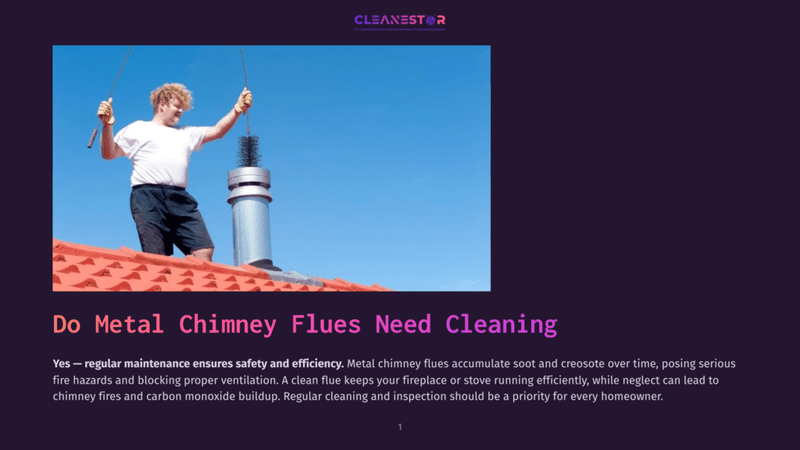

Importance Of Chimney Maintenance
Maintaining your chimney is crucial for the safety and efficiency of your home. Regular cleaning and inspections ensure that your chimney functions properly. Neglecting this can lead to serious issues, including safety hazards and decreased performance.
Safety Concerns
A dirty chimney flue can pose significant safety risks. Creosote buildup is a major concern. This flammable substance can cause chimney fires. Blockages can also lead to carbon monoxide poisoning. Regular cleaning helps prevent these dangers. Ensuring clear passage for smoke and gases is vital.
Efficiency Benefits
A clean chimney flue ensures your fireplace or stove works efficiently. Soot and debris reduce airflow, making your heating less effective. This can result in increased energy costs. Regular maintenance keeps your chimney in top condition. It helps your heating system run smoothly and economically.
Understanding Metal Chimney Flues
Understanding metal chimney flues is essential for homeowners. Metal flues are commonly used in modern homes. They offer several advantages compared to traditional masonry chimneys.
Common Materials Used
Metal chimney flues are typically made from stainless steel or aluminum. Stainless steel is durable and resistant to corrosion. This makes it a popular choice for chimney flues. Aluminum is lightweight and easier to install. Both materials can withstand high temperatures. They ensure safe and efficient operation of your chimney.
Advantages Over Traditional Flues
Metal chimney flues offer several benefits over traditional flues. They are easier to install and maintain. Metal flues are also more resistant to cracking and damage. This makes them a longer-lasting option for your home. They provide better insulation. This helps improve the efficiency of your heating system. Metal flues are also more versatile. They can be used with various types of heating appliances.
Signs Your Metal Chimney Needs Cleaning
Metal chimney flues need cleaning when there is a build-up of soot or creosote. Signs include poor draft, smoke inside the house, and unusual smells. Regular maintenance ensures safety and efficiency.
Your metal chimney plays a crucial role in maintaining a safe home. It channels smoke and gases outside. Over time, it may need cleaning. How can you tell? Here are some clear signs.
Visible Soot Buildup
Take a look inside your chimney. Do you see black soot? This is a clear sign. Soot can block airflow. It can cause smoke to back up into your home. A thick layer of soot means it is time to clean.
Unpleasant Odors
Is there a bad smell coming from your fireplace? This could mean trouble. A dirty chimney often smells like burnt wood or ashes. This odor can fill your home. Cleaning the chimney can remove this smell. It also improves air quality.
Knowing these signs can keep your home safe. Keep an eye out. Regular cleaning helps prevent problems. Your chimney will work better and last longer.
Potential Risks Of Neglecting Cleaning
Neglecting to clean your metal chimney flue can lead to serious problems. These problems can affect your home and your health. Understanding these risks can help you maintain a safe living environment.
Fire Hazards
One of the most significant risks is fire. Over time, soot and creosote build up in your chimney. Creosote is a highly flammable substance. If not cleaned, it can ignite and cause a chimney fire.
Chimney fires can spread quickly. They can damage your home and put your family at risk. Regular cleaning reduces this danger. It keeps your chimney free of dangerous buildup.
Health Risks
Uncleaned chimneys can also affect your health. Soot and creosote are not just fire hazards. They can also release harmful particles into the air. This can be dangerous, especially for people with respiratory issues.
There is also the risk of carbon monoxide poisoning. Blocked chimneys can cause this deadly gas to build up in your home. You cannot see or smell carbon monoxide. Regular cleaning helps ensure proper ventilation. This reduces the risk of carbon monoxide poisoning.
How Often To Clean Metal Chimney Flues
Maintaining a clean metal chimney flue is essential for the safety and efficiency of your fireplace. Regular cleaning prevents the buildup of creosote and other debris, which can lead to dangerous chimney fires.
Recommended Frequency
Experts suggest cleaning metal chimney flues at least once a year. This recommendation ensures your chimney remains safe and functional. For those who use their fireplace frequently, more frequent cleaning may be necessary.
Factors Affecting Cleaning Schedule
Several factors influence how often you should clean your metal chimney flue:
- Usage: The more you use your fireplace, the more often it needs cleaning.
- Type of Wood: Burning softwoods like pine produces more creosote than hardwoods.
- Age of Chimney: Older chimneys may require more frequent inspections and cleanings.
- Weather Conditions: Wet or humid conditions can cause more buildup.
Consider these factors when planning your chimney maintenance schedule. Regular cleaning keeps your home safe and your fireplace in good condition.
DIY Vs. Professional Cleaning
Cleaning a metal chimney flue is important for safety. Debris and creosote build-up can cause fires. Deciding between DIY cleaning and hiring professionals is a common dilemma. Let’s explore the pros and cons of each option.
Pros And Cons Of DIY
Cleaning a chimney flue yourself can save money. You don’t need to pay for labor. It also allows you to clean on your schedule. You can choose the time that works best for you.
DIY cleaning has drawbacks. It requires specific tools. You need brushes, rods, and a vacuum. Buying these tools can be costly. DIY cleaning can be time-consuming. It also requires effort and can be physically demanding. Safety is another concern. Climbing on a roof can be dangerous. Without proper knowledge, you might miss important areas. This can leave your chimney unsafe.
Benefits Of Hiring Professionals
Professionals have the right tools and knowledge. They can identify issues you might miss. They also ensure a thorough cleaning. This reduces the risk of fires. Professionals work quickly. They can complete the job efficiently. Hiring experts saves you time and effort.
Safety is a major benefit. Professionals know how to work on roofs safely. They also follow safety protocols. This reduces the risk of accidents. Hiring professionals provides peace of mind. You know the job is done right. This makes your home safer.
Steps For Cleaning Metal Chimney Flues
Cleaning metal chimney flues is essential for ensuring safety and efficiency. A clean flue prevents dangerous blockages and reduces the risk of chimney fires. Follow these steps to keep your metal chimney flue in top condition.
Necessary Tools And Equipment
- Chimney brush: A brush specifically designed for metal flues.
- Extension rods: These help reach the entire length of the flue.
- Protective gloves: To protect your hands from soot and debris.
- Dust mask: To avoid inhaling harmful particles.
- Drop cloths: To keep your work area clean.
- Flashlight: For better visibility inside the flue.
- Vacuum cleaner: To remove soot and debris.
Detailed Cleaning Process
- Prepare the area: Lay drop cloths around the fireplace to catch any debris. Wear protective gloves and a dust mask.
- Inspect the flue: Use a flashlight to check for any blockages or damage inside the flue.
- Assemble the brush: Attach the chimney brush to the extension rods.
- Brush the flue: Insert the brush into the flue and scrub vigorously. Move the brush up and down to loosen soot and creosote.
- Clean the debris: Use a vacuum cleaner to remove the dislodged soot and debris from the fireplace.
- Re-inspect the flue: Use the flashlight to ensure all debris is removed and the flue is clear.
- Dispose of waste: Carefully dispose of the soot and debris collected during the cleaning process.
Following these steps will help maintain a clean and safe metal chimney flue. Regular cleaning ensures optimal performance and reduces fire hazards.
Preventative Measures
Preventative measures are essential for maintaining your metal chimney flue. Regular maintenance keeps your chimney working efficiently. It also ensures your home stays safe from potential hazards.
Regular Inspections
Regular inspections are crucial. A professional should inspect your chimney at least once a year. They will check for blockages and buildup. They will also look for any damage or wear. Regular inspections catch problems early. This saves you from costly repairs later. It also ensures your chimney flue is clean and safe.
Using Proper Fuel
Using proper fuel helps maintain your metal chimney flue. Only burn seasoned hardwood. Wet or green wood creates more creosote. Creosote is a flammable substance that builds up in your chimney. Avoid burning trash, cardboard, or treated wood. These materials can damage your chimney. They can also create dangerous fumes. Using the right fuel keeps your chimney cleaner for longer.
Frequently Asked Questions
How Often Should Metal Chimney Flues Be Cleaned?
Metal chimney flues should be cleaned annually. Regular cleaning ensures safe and efficient operation. Neglecting cleaning can lead to dangerous creosote buildup. This can cause chimney fires.
What Are The Signs A Metal Chimney Flue Needs Cleaning?
Signs include poor draft, smoke entering the home, and a strong odor. Soot or creosote buildup inside the flue also indicates the need for cleaning.
Can I Clean A Metal Chimney Flue Myself?
Yes, you can clean it yourself. However, it is recommended to hire a professional. Professionals ensure thorough cleaning and safety.
What Tools Are Needed To Clean A Metal Chimney Flue?
You need a chimney brush, extension rods, and a vacuum. Proper safety gear, like gloves and goggles, is also essential.
Conclusion
Regular cleaning of metal chimney flues is essential for safety. It prevents dangerous buildup. Regular maintenance can extend the life of your chimney. Clean flues ensure efficient operation. Neglecting this task can lead to costly repairs. So, make it a routine.
Hiring professionals can help. They provide thorough inspections and cleaning. This keeps your home safe and warm. Regular care brings peace of mind. Your chimney will work better and last longer.
As an Amazon Associate, Cleanestor earns from qualifying purchases at no additional cost to you.