
Keeping your gas tank from rusting after cleaning is crucial. A rusty tank can cause many issues.
It can damage your vehicle’s fuel system. Preventing rust is easier than fixing it. Cleaning your gas tank is just the first step. Once clean, it becomes more prone to rust. Moisture in the air can quickly cause corrosion. To keep your tank in good condition, you need to take extra steps.
This blog will guide you through simple, effective methods. You will learn how to protect your tank from rust. These tips are easy to follow and will save you time and money. Keep reading to ensure your gas tank stays rust-free.
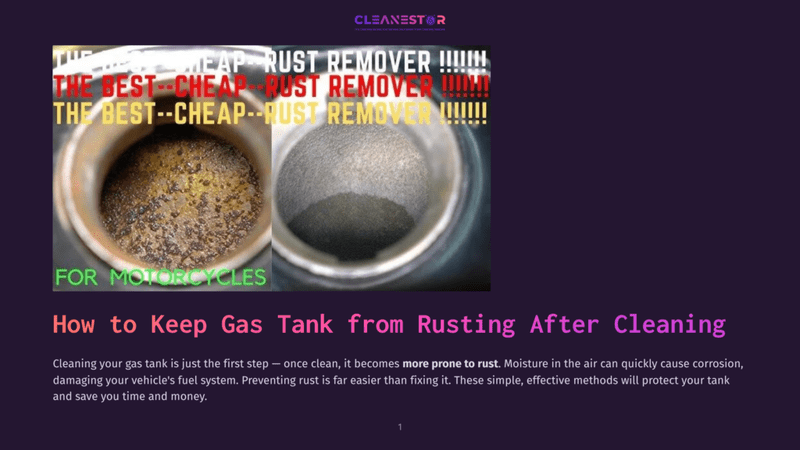

Importance Of Preventing Rust
Regular maintenance is crucial to prevent rust in gas tanks. After cleaning, keep the tank dry and use fuel stabilizers. This helps avoid corrosion and extends the tank’s lifespan.
Rust is a vehicle’s enemy. Preventing rust in the gas tank is crucial. It ensures the car runs smoothly and safely. Rust can cause major problems if ignored.
Impact On Vehicle Performance
Rust can clog the fuel system. This leads to poor fuel efficiency. Performance drops as the engine struggles to get fuel. A rusty tank can also cause engine misfires. This affects the car’s acceleration and power.
| Problem | Impact |
|---|---|
| Clogged Fuel System | Poor Fuel Efficiency |
| Engine Misfires | Reduced Power and Acceleration |
Potential Repair Costs
Repairing a rusty gas tank is expensive. Costs can range from $300 to $1,000. Replacing damaged fuel injectors can add to the expense. Regular maintenance prevents these costs.
- Gas Tank Replacement: $300 – $1,000
- Fuel Injector Replacement: $150 – $300 each
Regular checks and cleaning can save money. Preventing rust is a small effort with big rewards. It keeps the car in good shape and avoids costly repairs.
Necessary Materials
Keeping your gas tank from rusting after cleaning requires the right materials. These materials help ensure the tank stays in good condition. Below, we will discuss rust inhibitors and protective coatings.
Rust Inhibitors
Rust inhibitors are essential for preventing rust formation. They create a barrier between the metal and moisture. This barrier stops rust from forming. You can find rust inhibitors in various forms:
- Sprays
- Liquids
- Greases
Here is a table summarizing common types of rust inhibitors:
| Type | Application Method | Duration of Protection |
|---|---|---|
| Spray | Easy to apply | Short-term |
| Liquid | Requires brushing | Medium-term |
| Grease | Needs spreading | Long-term |
Choose the right type based on your needs. Sprays are quick and easy. Liquids offer better coverage. Greases provide the longest protection.
Protective Coatings
Applying protective coatings is another way to prevent rust. These coatings seal the metal surface. They block out moisture and air. Common protective coatings include:
- Paint
- Epoxy
- Polyurethane
Here is a summary of these coatings:
| Type | Durability | Ease of Application |
|---|---|---|
| Paint | Moderate | Easy |
| Epoxy | High | Medium |
| Polyurethane | Very High | Hard |
Paint is the most accessible option. Epoxy offers higher durability. Polyurethane provides the best protection. Choose the coating that suits your needs.
Choosing The Right Rust Inhibitor
Choosing the right rust inhibitor can make a huge difference in keeping your gas tank rust-free. After cleaning, the tank is susceptible to rust. The right rust inhibitor can protect it. This section will help you understand the types of rust inhibitors and how to apply them.
Types Of Rust Inhibitors
There are several types of rust inhibitors. Each has its own advantages. The most common ones are oil-based inhibitors, water-based inhibitors, and wax-based inhibitors.
Oil-based inhibitors are popular. They create a protective layer. This layer keeps moisture away from the metal surface. Water-based inhibitors are eco-friendly. They are easy to apply and clean. Wax-based inhibitors form a thicker barrier. This barrier provides long-lasting protection.
Application Methods
Applying the rust inhibitor correctly is crucial. It ensures the gas tank stays rust-free. You can use a brush, spray, or dip method.
The brush method is simple. It allows you to cover all areas evenly. Spraying is faster and covers large surfaces quickly. It helps to reach difficult spots. Dipping is effective for small parts. It ensures full coverage.
Before applying, make sure the tank is dry. Remove all moisture. This helps the inhibitor to adhere better. Follow the instructions on the product label. This ensures the best results.
Applying Protective Coatings
Maintaining a clean gas tank is crucial for the longevity of your vehicle. Once you’ve cleaned your gas tank, it’s important to apply protective coatings. This will help prevent rust from forming again. Let’s explore how to apply these coatings effectively.
Coating Types
Choosing the right type of coating is key to protecting your gas tank. Here are some popular options:
| Type | Description |
|---|---|
| Epoxy Resin | Highly durable and long-lasting. Provides excellent rust protection. |
| Polyurethane | Flexible and resistant to chemical spills. Great for gas tanks. |
| Rust Converter | Converts existing rust into a protective coating. Easy to apply. |
| Fuel Tank Sealant | Specifically designed for fuel tanks. Seals and protects against rust. |
Step-by-step Application
Follow these steps to apply the protective coating properly:
- Prepare the Tank: Ensure the tank is completely dry. Any moisture can affect the coating.
- Choose the Right Coating: Refer to the table above to select the best coating for your needs.
- Apply Primer: A primer helps the coating adhere better. Apply a thin layer and let it dry.
- Coating Application: Follow the manufacturer’s instructions. Apply the coating evenly inside the tank.
- Allow to Cure: Let the coating cure as directed. This usually takes several hours.
- Inspect the Tank: Check for any missed spots or thin areas. Apply a second coat if necessary.
By following these steps, you can ensure a rust-free gas tank for years to come. Proper application of protective coatings is essential for maintaining the health of your vehicle.
Drying The Tank Properly
Properly drying a gas tank after cleaning is essential to prevent rust. After cleaning, moisture can linger inside the tank, leading to rust formation. Here are effective methods for drying your gas tank thoroughly.
Air Drying Techniques
Air drying is a natural way to remove moisture from your gas tank. Follow these steps:
- Remove all moisture: Use a clean cloth to wipe the inside of the tank.
- Position the tank: Place the tank in a well-ventilated area.
- Allow air circulation: Open all tank openings to let air flow through.
- Monitor the process: Check the tank periodically to ensure it’s drying evenly.
These steps help ensure the tank dries naturally and efficiently.
Using A Heat Gun
A heat gun can speed up the drying process. Here’s how to use it safely:
- Set the heat gun: Use a low to medium heat setting.
- Keep distance: Hold the heat gun a few inches away from the tank.
- Move continuously: Move the heat gun around the tank to avoid overheating one spot.
- Check for dryness: Periodically stop and check if the tank is dry.
Using a heat gun is effective for quick drying, but be cautious to avoid damaging the tank.
| Method | Pros | Cons |
|---|---|---|
| Air Drying | Natural, No equipment needed | Slower process |
| Heat Gun | Faster drying | Risk of overheating |
Both methods are effective for drying your gas tank. Choose the one that best suits your needs and resources.
Maintaining A Full Tank
Maintaining a full gas tank is an effective way to prevent rust. An empty tank invites moisture, which leads to rust. Keeping your tank full helps avoid this issue. Let’s explore why this method works and its benefits.
Benefits Of A Full Tank
A full tank reduces the air space where moisture can form. Less air means less water vapor. This greatly decreases the chance of rust. It also ensures your car is always ready to go. No more sudden stops at the gas station.
Preventing Moisture Build-up
Moisture is the main cause of rust in gas tanks. A full tank leaves no room for moist air. Without air, there’s less water vapor. This simple step keeps your tank rust-free. It also extends the life of your vehicle. Maintain a full tank to keep your car in top shape.
Regular Inspections
Regular Inspections are essential to keep your gas tank in top condition. By checking it often, you can catch problems early and prevent rust from forming. This helps your vehicle run smoothly and safely.
Signs Of Rust
During your inspections, look for these common signs of rust:
- Discoloration or orange spots
- Flaking or peeling paint
- Rough or bumpy texture
- Small holes or pits
If you see any of these signs, take action immediately. Addressing rust early can save you time and money in the long run.
Routine Maintenance Tips
Follow these routine maintenance tips to keep your gas tank rust-free:
- Keep the tank full: A full tank reduces the chance of moisture forming inside.
- Use a fuel stabilizer: This prevents water buildup and protects the tank.
- Drain the tank: If you store your vehicle for a long time, empty the tank to avoid water accumulation.
- Check the fuel filter: Replace it regularly to ensure clean fuel enters the tank.
By following these tips, you help extend the life of your gas tank and prevent rust.
Storing Your Vehicle
Keeping your gas tank rust-free requires careful storage of your vehicle. Proper storage can prevent moisture from causing rust. This is crucial after cleaning the gas tank. Follow these guidelines to ensure your tank stays in good condition.
Ideal Storage Conditions
Store your vehicle in a dry, cool place. Avoid areas with high humidity. A garage is a good option. If possible, use a dehumidifier to reduce moisture levels. This helps prevent rust in the gas tank.
Keep the gas tank full. A full tank reduces air space where moisture can form. Use a fuel stabilizer to keep the gas fresh. This also helps prevent rust.
Seasonal Considerations
Different seasons affect your vehicle’s storage needs. In winter, use a car cover to protect against snow and ice. This keeps moisture from seeping into the gas tank.
In summer, the heat can cause condensation inside the tank. Park in a shaded area to keep the temperature stable. Check the tank regularly for signs of rust.
Fall and spring can have fluctuating temperatures. This increases the chance of condensation. Maintain a stable environment to minimize this risk.
Frequently Asked Questions
How Do You Prevent Gas Tank Rust?
To prevent gas tank rust, coat the interior with a fuel tank sealer. Ensure the tank is dry and free of moisture. Regularly check and maintain the tank.
What Is The Best Rust Inhibitor For Gas Tanks?
The best rust inhibitor for gas tanks is a high-quality fuel tank sealer. It provides a protective barrier. Brands like POR-15 or KBS are recommended.
Can I Use Vinegar To Clean A Gas Tank?
Yes, vinegar can clean a gas tank. Use a mixture of vinegar and water. Rinse thoroughly and dry completely.
How Often Should I Clean My Gas Tank?
Clean your gas tank every couple of years. Regular maintenance helps prevent rust and debris buildup. Always ensure the tank is dry after cleaning.
Conclusion
Regular maintenance keeps your gas tank rust-free. Clean it thoroughly before applying a rust inhibitor. Use a tank sealer for long-lasting protection. Regularly inspect for rust to catch problems early. Store your vehicle in a dry place. Moisture causes rust.
Follow these steps for a durable, rust-free gas tank. Happy driving!
As an Amazon Associate, Cleanestor earns from qualifying purchases at no additional cost to you.