
Determining if a coin has been cleaned can be tricky. Cleaned coins often lose value.
Collectors know that cleaning can harm a coin’s worth. Identifying a cleaned coin is important for preserving its value. Coins often have tiny marks and wear that cleaning can remove. This can make a coin look newer but less valuable.
The cleaning process can also leave telltale signs. Understanding these signs helps collectors avoid buying damaged coins. In this post, we’ll explore the clues to look for. By the end, you’ll know how to spot a cleaned coin. This knowledge is key for any coin collector. Let’s dive into the details and protect your collection.
Introduction To Coin Cleaning
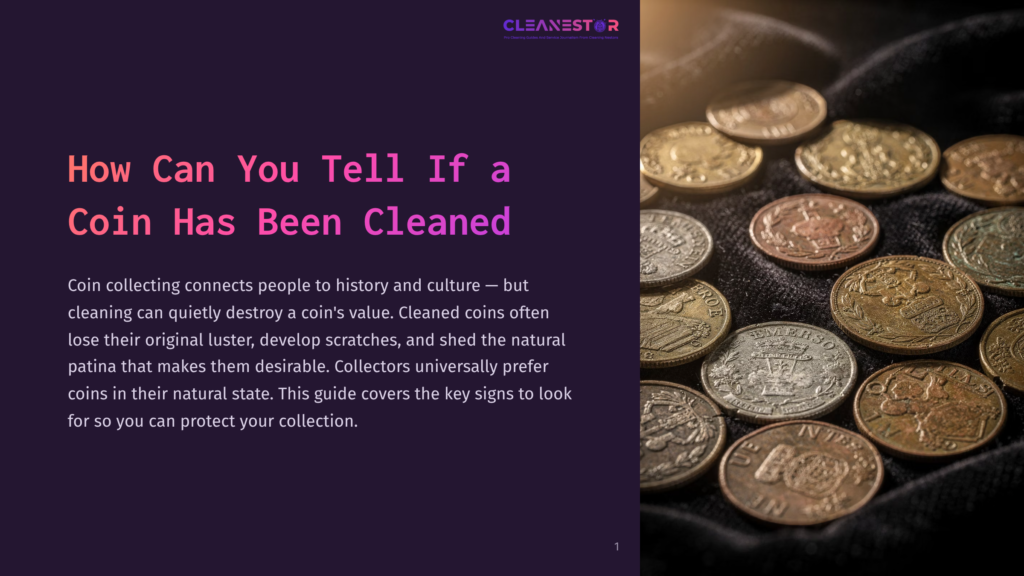
Coin collecting is a fascinating hobby. It connects people to history and culture. But coins can get dirty over time. Some collectors think cleaning makes coins look better. Others believe it can damage the coin. So, how do you know if a coin has been cleaned?
Why Coin Cleaning Matters
Coin cleaning can affect a coin’s value. Cleaned coins often lose their original luster. They might also show scratches or other damage. This can make them less valuable. Collectors usually prefer coins in their natural state.
Common Reasons For Cleaning Coins
People clean coins for several reasons. Sometimes, they want the coin to look shiny. They think it will be more appealing. Others might clean coins to remove dirt or corrosion. Some might not know that cleaning can harm the coin. They may believe it preserves the coin better.
Understanding these reasons can help you spot a cleaned coin. Look for signs like scratches or a dull surface. A cleaned coin might also have an unusual shine. These clues can tell you a lot about a coin’s history.
Visual Clues
Identifying a cleaned coin can be challenging. It requires a keen eye and some basic knowledge. Visual clues are the most apparent indicators. They help in recognizing whether a coin has been cleaned. Here are the key visual clues to look for.
Surface Shine
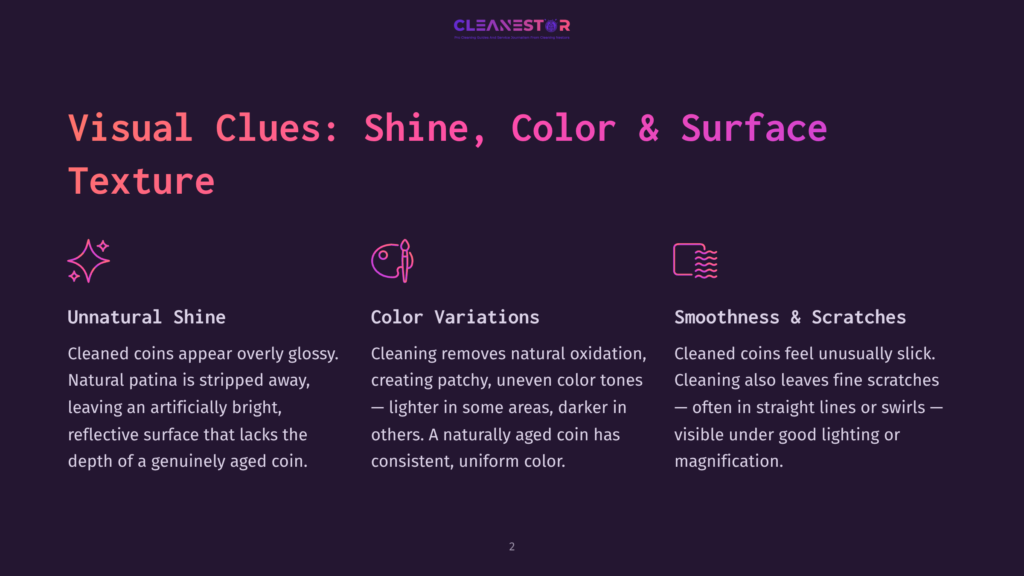
A cleaned coin often has an unnatural shine. The surface may appear too glossy. Regularly circulated coins develop a natural patina over time. Cleaning can strip this away. The result is an overly bright and reflective surface. This shine can seem artificial. It lacks the depth of a naturally aged coin.
Color Variations
Color variations are another telltale sign. A cleaned coin may have uneven color tones. Some areas may be lighter or darker than others. This happens because cleaning can remove the coin’s natural oxidation. The result is a patchy appearance. A naturally aged coin has a consistent color. Cleaning disrupts this balance. It creates noticeable variations.
Examining Coin Edges
Examining the edges of a coin can reveal if it has been cleaned. Coin collectors often check the coin edges for signs of tampering. This is because cleaning can leave marks or alter the natural wear of a coin. Understanding these signs helps in maintaining the coin’s value and authenticity.
Edge Wear
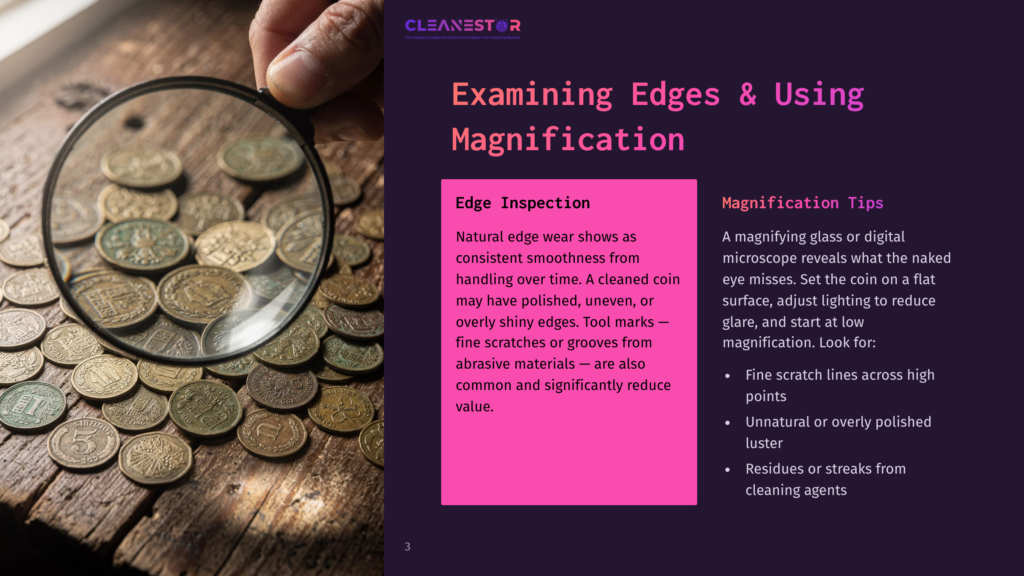
Natural wear on coin edges occurs over time due to handling. This wear shows as a consistent smoothness around the edge. A cleaned coin might have uneven or polished edges. The edges may appear too shiny or lack the expected roughness. Look for areas where the wear seems unnatural. This can be a sign of cleaning.
Tool Marks
Cleaning coins can leave tool marks or scratches. These marks are often visible on the edges. Use a magnifying glass to inspect the edges closely. Look for fine scratches or grooves that should not be there. These are often from tools or abrasive materials used in cleaning. Such marks can significantly reduce the value of a coin.
In summary, examining the edges of a coin is crucial. It helps identify signs of cleaning. Look for unnatural wear and tool marks. These are key indicators of a cleaned coin.
Surface Texture
The surface texture of a coin can reveal much about its history. One critical factor is whether the coin has been cleaned. Cleaning often alters the coin’s original texture, making it less valuable to collectors. Below, we explore key indicators that can help you identify a cleaned coin through its surface texture.
Smoothness
One of the first things to check is the smoothness of the coin. Original coins have a natural, aged texture. Cleaning can make the surface unusually smooth. This unnatural smoothness can be a red flag. Collectors prefer coins with their original, rough texture intact. To spot this, run a finger gently over the coin. If it feels too slick, it might have been cleaned.
Scratch Patterns
Another indicator is the presence of scratch patterns. Cleaning often leaves fine scratches on the coin’s surface. These scratches are usually in straight lines or swirls. They can be visible under good lighting or with a magnifying glass. Original coins generally do not have such patterns. Scratches can significantly reduce a coin’s value. Look for consistent, repetitive marks that suggest cleaning.
Using Magnification
Magnification tools help to see small details on coins. This can reveal if a coin has been cleaned. A magnifying glass or microscope can show tiny scratches or marks. These marks are often left by cleaning. Using magnification allows collectors to inspect coins closely.
Microscope Tips
A microscope can reveal more details than a magnifying glass. It helps to choose a microscope with a strong magnification power. This way, you can see even the smallest scratches. A digital microscope can be very useful. It allows you to take pictures and zoom in on specific areas.
Here are some tips for using a microscope:
- Set the coin on a flat surface under the microscope.
- Adjust the lighting to reduce glare.
- Start with a low magnification and gradually increase it.
- Focus on different parts of the coin.
What To Look For
When examining a coin under magnification, look for certain signs of cleaning. Scratches are a major indicator. These can appear as fine lines across the surface. They are often caused by abrasive cleaning methods. Look at the high points of the coin. These areas are more likely to show scratches.
Another sign is an unnatural shine. A cleaned coin may have a different luster compared to an uncleaned coin. The surface may look too bright or polished. Check for residues or streaks. Cleaning agents can leave behind traces that are visible under magnification.
Here is a table summarizing what to look for:
| Sign | Description |
|---|---|
| Scratches | Fine lines caused by abrasive cleaning. |
| Unnatural Shine | Too bright or polished surface. |
| Residues | Traces left by cleaning agents. |
By using magnification, you can identify if a coin has been cleaned. This helps in assessing the true value of the coin. Always inspect coins carefully before making a purchase.
Comparing With Untouched Coins
Comparing a suspect coin with untouched coins is essential. This step helps you identify cleaned coins. By examining reference coins, you can spot differences more easily. Let’s dive into how you can make these comparisons.
Reference Coins
Reference coins are those that have never been cleaned. These coins retain their original luster. They show natural wear and age. Collect some reference coins for comparison. You can get these from trusted sources or dealers. Make sure they are similar in age and type to your suspect coin.
Spotting Differences
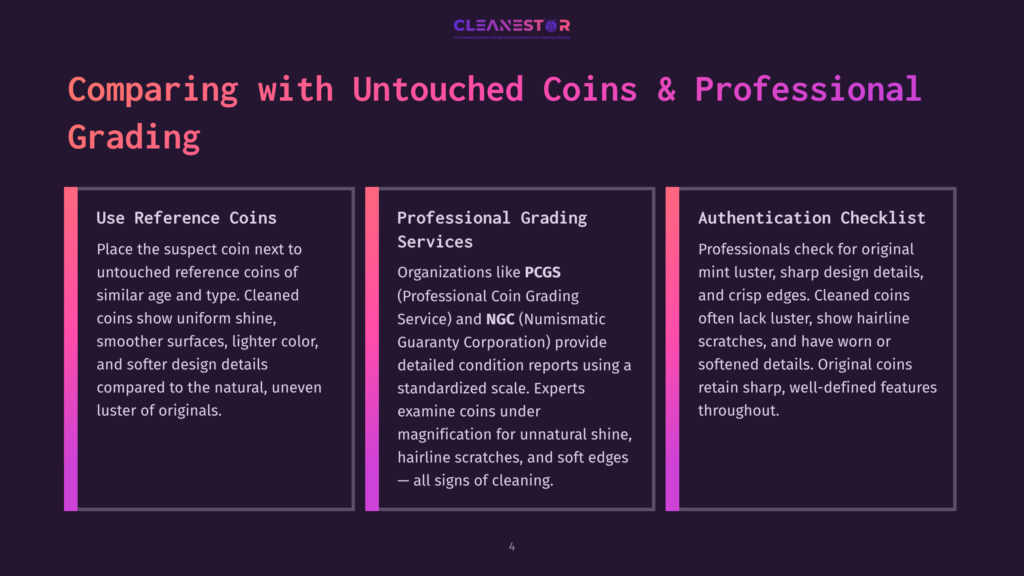
Once you have your reference coins, lay them out. Place the suspect coin next to them. Look closely at the surfaces. Cleaned coins often show a uniform shine. This is unlike the natural, uneven luster of untouched coins.
Here are some key differences to note:
- Surface Texture: Cleaned coins have a smoother surface. Untouched coins show tiny abrasions.
- Color: The color of cleaned coins is often lighter. Original coins have a natural patina.
- Details: Cleaning can remove fine details. Compare the sharpness of designs.
By using reference coins, you can better identify cleaned coins. This method is simple and effective for collectors.
Professional Grading
Professional grading can help determine if a coin has been cleaned. Experts in this field use various tools and techniques. They assess the coin’s condition and authenticity. This process ensures collectors get accurate information about their coins.
Grading Services
Many organizations offer grading services. These include the Professional Coin Grading Service (PCGS) and Numismatic Guaranty Corporation (NGC). They provide detailed reports on the coin’s condition. This helps in identifying if a coin has been cleaned. Grading services use a standardized scale. This scale ranges from poor to mint state. Experts evaluate the coin under magnification. They look for signs of wear, scratches, or polish. Cleaned coins often show unnatural shine or marks.
Authentication Tips
Authentication is key in identifying cleaned coins. Experts check for original mint luster. Cleaned coins may lack this luster. They might appear too shiny or dull. Another tip is to observe the coin’s surface. Cleaning can leave hairline scratches. These are visible under magnification. Professionals also check the coin’s edges and details. If these are worn or soft, the coin might have been cleaned. Original coins have sharp details and edges. By following these tips, you can better identify cleaned coins.
Impact On Value
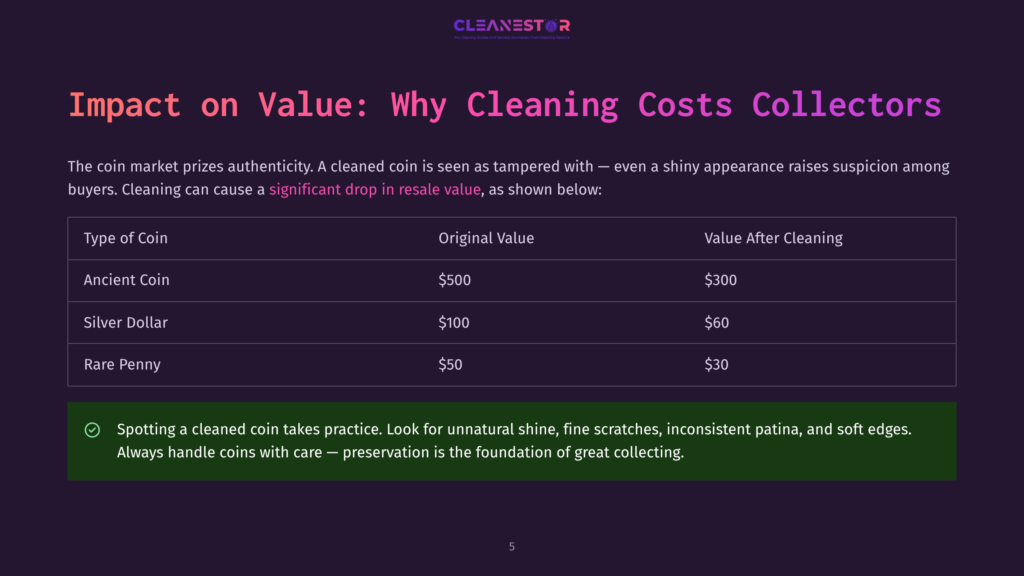
Understanding if a coin has been cleaned is crucial for collectors. The value of a coin can be significantly impacted by its condition. Cleaning a coin, even with good intentions, can reduce its value. This is due to several factors, including market perception and resale considerations.
Market Perception
The coin market values authenticity and originality. A cleaned coin is often seen as tampered with, which can make collectors wary. Original coins with natural wear are preferred. Even if a coin looks shiny and new after cleaning, this can raise suspicion. Buyers might think the coin has been damaged or altered.
Resale Considerations
Reselling a cleaned coin can be challenging. Many buyers prefer coins in their original state, even if they show signs of age. A cleaned coin can lose a significant portion of its value. This is because cleaning can cause scratches or remove the coin’s natural patina.
For example, consider the following table that highlights the potential impact of cleaning on different types of coins:
| Type of Coin | Original Value | Value After Cleaning |
|---|---|---|
| Ancient Coin | $500 | $300 |
| Silver Dollar | $100 | $60 |
| Rare Penny | $50 | $30 |
As shown in the table, cleaning can cause a significant drop in a coin’s value. Collectors should be cautious and avoid cleaning coins to preserve their worth.
Frequently Asked Questions
How Do You Identify A Cleaned Coin?
Look for unnatural shine, uniform surface texture, and scratches under magnification. These are signs of cleaning.
What Tools Can Detect A Cleaned Coin?
A magnifying glass or microscope can reveal cleaning marks and unnatural shine on the coin’s surface.
Does Cleaning A Coin Affect Its Value?
Yes, cleaning a coin can significantly decrease its value. Collectors prefer coins in their original state.
Are There Professional Services To Clean Coins?
Yes, but it is generally not recommended. Professional cleaning can still negatively impact the coin’s value.
Conclusion
Spotting a cleaned coin takes practice and sharp observation. Look for unnatural shine. Check for fine scratches or hairlines. Examine the patina for consistency. Trust your instincts and knowledge. Over time, you’ll get better at identifying cleaned coins. Always handle coins with care.
Preservation is key in coin collecting. Keep learning and stay curious. Happy collecting!
As an Amazon Associate, Cleanestor earns from qualifying purchases at no additional cost to you.