
No, brake cleaner is not good for your skin. It can cause irritation and harm.
Brake cleaner is a common tool in vehicle maintenance. It’s great for cleaning parts, but it can be harsh on your skin. The chemicals in brake cleaner can lead to dryness, redness, and even burns. Many people use it without thinking about the potential risks.
Understanding these risks is crucial for your safety. This blog will explore the dangers of brake cleaner on your skin. It will also offer tips on how to handle it safely. Stick around to learn more and protect your health.
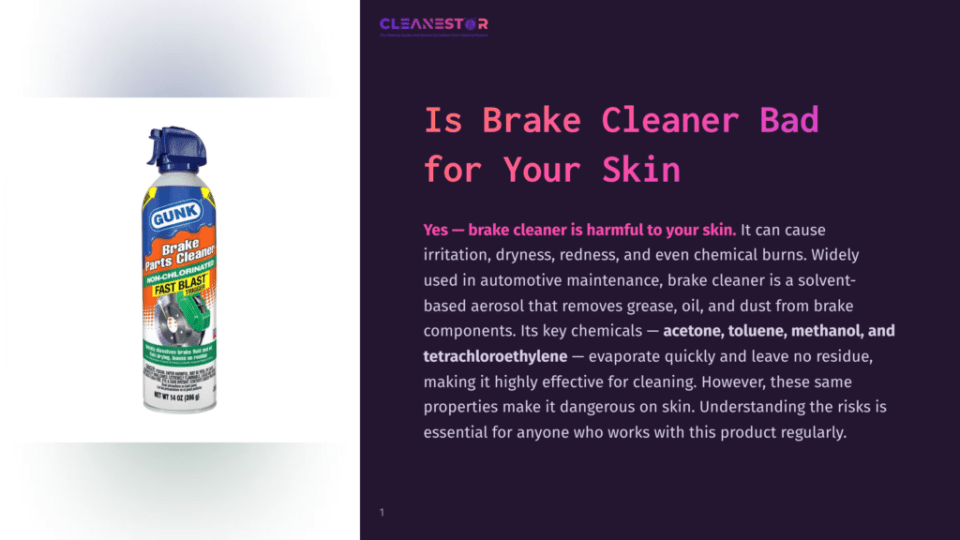

Introduction To Brake Cleaner
Brake cleaner is a widely used product in the automotive industry. It is essential for maintaining brake systems. But is it bad for your skin? Let’s dive into what brake cleaner is and its common uses.
What Is Brake Cleaner?
Brake cleaner is a solvent-based product. It is used to remove contaminants from brake components. These contaminants include:
- Grease
- Oil
- Dust
It usually comes in an aerosol spray can. The formula often contains chemicals like:
- Acetone
- Toluene
- Methanol
These chemicals are effective at cleaning. They evaporate quickly and leave no residue. This makes brake cleaner highly efficient for its purpose.
Common Uses
Brake cleaner is not just for brakes. It has several other applications:
- Degreasing: It can clean engine parts and tools.
- Prepping Surfaces: It is used before painting or gluing.
- Cleaning: It removes oil and grime from metal surfaces.
These uses make it a versatile product. But, its effectiveness raises questions about safety. Especially concerning skin contact.
| Application | Description |
|---|---|
| Brake System Cleaning | Removes brake dust, oil, and grease. |
| Engine Degreasing | Cleans engine parts and tools. |
| Surface Preparation | Prepares surfaces for painting or bonding. |
| Metal Cleaning | Removes grime from metal surfaces. |
Chemical Composition
Brake cleaner is a common product in automotive maintenance. It helps remove grease, oil, and dirt from brake parts. But what is it made of? Understanding the chemical composition can help assess its safety.
Ingredients
Brake cleaner contains several chemicals. Some common ingredients include tetrachloroethylene, acetone, and methanol. These substances are effective at dissolving grime. They evaporate quickly, leaving no residue. But these chemicals can also be harsh on the skin.
Toxicity Levels
Tetrachloroethylene, also known as perchloroethylene, is a strong solvent. It can cause skin irritation and dryness. Acetone is another solvent found in brake cleaner. It can dehydrate the skin, leading to redness and cracking. Methanol is toxic if absorbed through the skin. Prolonged exposure can cause serious health issues.
Brake cleaner’s ingredients are designed for tough cleaning tasks. They are not meant for direct contact with skin. Always use protective gloves when handling brake cleaner. This reduces the risk of skin damage. Understanding the chemical composition helps you stay safe.
Effects On Skin
Brake cleaner is a common tool in garages. It removes grease and grime. But, it can be harmful to your skin. Understanding its effects is crucial. Here, we explore immediate and long-term impacts.
Immediate Reactions
Brake cleaner can cause skin irritation. You may feel a burning sensation. Redness and itching are common signs. Some people experience dry, cracked skin. These reactions occur within minutes of contact.
Long-term Consequences
Frequent exposure has more severe effects. Prolonged use can lead to dermatitis. This condition makes your skin inflamed and itchy. Chronic exposure can also lead to skin thinning. It makes your skin more sensitive and prone to damage.
Health Risks
Brake cleaner is a common tool in automotive maintenance. But it has potential health risks. This section explores the dangers of brake cleaner to your skin.
Skin Irritation
Brake cleaner contains chemicals like tetrachloroethylene and trichloroethylene. These chemicals can cause severe skin irritation. If brake cleaner touches your skin, it may cause redness, swelling, and a burning sensation. Washing the area with soap and water immediately can help.
Allergic Reactions
Some people may experience allergic reactions to brake cleaner. Symptoms include itching, hives, and rashes. In severe cases, it can lead to difficulty breathing. If you have sensitive skin, use gloves and protective clothing to minimize exposure.
Safety Measures
Using brake cleaner can be essential for maintaining your vehicle. However, contact with your skin can be harmful. It is crucial to follow safety measures to protect yourself. This section will cover key practices.
Protective Gear
Wearing the right protective gear is vital. Always use gloves. They prevent direct contact with the cleaner. Nitrile gloves are recommended. They resist chemicals better than latex gloves. Goggles are also essential. They protect your eyes from splashes. A long-sleeve shirt and pants add extra protection. This gear will help keep your skin safe.
Proper Usage
Using brake cleaner properly reduces risks. Always use it in a well-ventilated area. This prevents inhaling harmful fumes. Spray the cleaner directly onto the part. Avoid spraying on your skin. If contact occurs, wash the area immediately with soap and water. Avoid using brake cleaner near open flames. It is highly flammable. Dispose of the cleaner as instructed. Do not pour it down the drain.
First Aid For Exposure
Brake cleaner can be harmful to your skin. If you get brake cleaner on your skin, you need to act quickly. Proper first aid can prevent severe damage. Here are some steps to follow if exposed to brake cleaner.
Immediate Steps
First, rinse the affected area with water. Use plenty of water to wash away the brake cleaner. Continue rinsing for at least 15 minutes. Avoid using soap at this stage, as it can spread the chemical.
Next, remove any contaminated clothing. This helps prevent further exposure to your skin. Place the clothing in a plastic bag to dispose of it safely.
After rinsing, pat your skin dry with a clean towel. Avoid rubbing, as it can cause more irritation. Apply a soothing lotion to the area, if available. This helps reduce dryness and discomfort.
When To Seek Medical Help
Seek medical help if you experience severe symptoms. These symptoms include redness, swelling, or blistering. If the affected area does not improve after first aid, contact a healthcare professional.
Watch for signs of an allergic reaction. Symptoms include itching, hives, or difficulty breathing. If these symptoms occur, seek emergency medical assistance immediately.
Do not hesitate to consult a doctor if you are unsure. Medical professionals can provide advice and treatment. Your safety is the top priority.
Alternatives To Brake Cleaner
Brake cleaner can harm your skin. It contains harsh chemicals. Using it regularly can cause irritation and dryness. You might wonder if there are safer alternatives. Thankfully, there are many options available.
Safer Options
Consider using eco-friendly brake cleaners. These products use natural ingredients. They are less harsh on the skin. You can find them in most auto stores. They clean effectively without causing harm.
Water-based cleaners are another option. They do not contain harsh chemicals. They are safe for the skin. These cleaners are also better for the environment.
DIY Solutions
You can make your own brake cleaner. A simple mix of vinegar and water works well. This solution is safe and easy to use. Vinegar has natural cleaning properties.
Baking soda is another great option. Mix it with water to create a paste. This paste cleans brakes effectively. It is gentle on the skin and non-toxic.
Dish soap and warm water can also do the trick. This mixture is easy to prepare. It cleans brakes without causing skin irritation. Many households already have these items.
Frequently Asked Questions
What Is Brake Cleaner Used For?
Brake cleaner is used to remove grease, oil, and brake dust from brake components. It ensures optimal brake performance and safety.
Can Brake Cleaner Harm Your Skin?
Yes, brake cleaner can harm your skin. It contains harsh chemicals that can cause irritation, dryness, and chemical burns.
How To Protect Skin From Brake Cleaner?
Wear gloves and protective clothing to prevent skin contact with brake cleaner. Wash any exposed skin immediately with soap and water.
Is Brake Cleaner Toxic?
Yes, brake cleaner is toxic. It contains chemicals that can be harmful if inhaled or absorbed through the skin.
Conclusion
Protecting your skin from brake cleaner is crucial. This product contains harsh chemicals. Prolonged exposure can cause skin irritation. Always wear gloves when handling brake cleaner. Wash your hands thoroughly after use. Choose safer alternatives if possible. Your skin’s health is important.
Simple precautions can prevent damage. Stay informed and stay safe.
As an Amazon Associate, Cleanestor earns from qualifying purchases at no additional cost to you.